Saudi Arabia
| Relationship type | Bilateral treaty |
|---|---|
| Country of origin | Saudi Arabia |
| First created | 20th century |
| Original use | To establish and govern formal diplomatic relations |
| Status | In force |
| Subject matter | Diplomatic relations, cooperation |
Origin and history
The modern state of Saudi Arabia originates from the Arabian Peninsula, a region with a long history of tribal societies and Islamic empires. Its foundation is tied to the alliance in the early 18th century between Muhammad ibn Saud, a local emir, and the religious reformer Muhammad ibn Abd al-Wahhab. This partnership established the First Saudi State, which later collapsed due to Ottoman intervention. The Second Saudi State emerged in the 19th century but was also marked by internal conflict and eventual fragmentation. The contemporary Kingdom of Saudi Arabia was formally unified and declared by Abdulaziz ibn Al Saud, commonly known as Ibn Saud, in the early 20th century. The kingdom's current borders and its status as a sovereign nation-state were largely consolidated by the 1930s, following a series of military campaigns and treaties.
What it is for
Saudi Arabia functions as a sovereign nation-state, exercising authority over its defined territory and population within the international system. Its primary purpose is to govern its citizens according to its own legal and social framework, derived from a specific interpretation of Islamic law (Sharia) and traditional norms. The state manages the exploration, production, and sale of its vast hydrocarbon resources, which form the backbone of its economy and geopolitical influence. It serves as the custodian of Islam's two holiest cities, Mecca and Medina, giving it a central role in the global Muslim community. The state also maintains its national security and defense through military and diplomatic means, often forming alliances based on strategic interests. Furthermore, it pursues domestic and foreign policy objectives aimed at ensuring the stability and continuity of its ruling system and promoting its vision of regional order.
Overview
Saudi Arabia is an absolute monarchy, with the King serving as both head of state and head of government, and the ruling Al Saud family holding central political authority. The country's legal system is based on Sharia, with the Hanbali school of jurisprudence being predominant, and no codified civil law exists outside religious framework. Its economy is dominated by the state-owned petroleum sector, which provides the majority of government revenue, export earnings, and GDP. Social life is deeply influenced by conservative Wahhabi Islamic principles, which have historically enforced gender segregation and prescribed specific codes of public conduct. The state has developed extensive welfare systems for its citizens, funded by oil wealth, which include education, healthcare, and subsidized utilities. Geopolitically, it is a leading member of the Gulf Cooperation Council (GCC), the Organization of the Petroleum Exporting Countries (OPEC), and the Arab League, and maintains a complex relationship with global powers.
What to know
The relationship between Saudi Arabia and another state is typically governed by a framework of bilateral treaties and agreements covering diplomacy, trade, defense, and investment. A foundational instrument is often the establishment of diplomatic relations, followed by specific accords on economic cooperation, cultural exchange, and sometimes security assistance. The actual governance of day-to-day relations falls to the respective embassies and consulates operating under the Vienna Convention on Diplomatic Relations. Key considerations include the alignment or divergence on regional security issues, such as those concerning Iran, Yemen, or Israel, and on global energy market policies. The relationship is also shaped by Saudi Arabia's unique domestic legal environment, which can affect business contracts, labor practices, and the application of justice for foreign nationals. Understanding the interplay between the Saudi monarchy's domestic priorities and its international commitments is essential for comprehending the dynamics of any bilateral relationship.
Common questions
A common question is how Saudi Arabia's legal system interacts with international law or the legal systems of partner states, particularly in business disputes or criminal cases involving foreigners. Many inquire about the practical implications of the guardianship system and other social regulations for foreign residents, diplomats, and business travelers operating within the country. Questions frequently arise regarding the stability and longevity of the ruling system, given regional tensions and the kingdom's economic dependence on finite hydrocarbon resources. Another area of inquiry concerns the extent and limitations of recent social and economic reforms, such as Vision 2030, and their impact on foreign investment and cultural engagement. People often ask about the nature of Saudi Arabia's strategic alliances, particularly with the United States, and how these balance against other relationships in a multipolar world. There is also consistent interest in the kingdom's role within OPEC+ and how its production decisions directly affect global energy markets and bilateral economic ties.
Pros and cons
A primary advantage of a relationship with Saudi Arabia is access to its significant capital reserves and sovereign wealth funds, which can be a source of major investment and financing for partner nations. The kingdom also offers a stable, long-term partnership from a regional power with critical influence over global energy supplies and Islamic religious institutions. A significant drawback is the potential for reputational risk due to stark differences in human rights records, legal standards, and social policies, which can create diplomatic friction and public relations challenges. Partners often regret the complexity and opacity of its bureaucratic and legal processes, where local agent requirements and unpredictable judicial outcomes can undermine business agreements. A common mistake is to overestimate the pace of social reform or the uniformity of its application across the country, leading to miscalculations in market entry strategies or policy coordination. The relationship can also be subject to sudden shifts based on internal royal court dynamics or regional crises, introducing an element of volatility despite surface-level stability.
Who it suits
This relationship primarily suits states and entities with strong strategic interests in energy security, who are willing to manage the associated political and ethical complexities to ensure a reliable hydrocarbon supply. It is well-suited to major military suppliers and defense contractors, given the kingdom's status as one of the world's largest arms importers and its ongoing security requirements. Nations pursuing substantial sovereign investment for large-scale infrastructure or economic development projects may find a willing partner in Saudi financial institutions. The relationship is less suited to actors who prioritize transparency, liberal democratic governance, or the advancement of certain individual freedoms as central pillars of their foreign policy. It suits pragmatic trading partners who can separate economic engagement from political discourse, and who have the administrative capacity to navigate a unique and often non-transparent business environment. Finally, it suits other monarchies or authoritarian states where bilateral relations are less burdened by public scrutiny over governance differences.
Latest Saudi Arabia news
Latest reporting
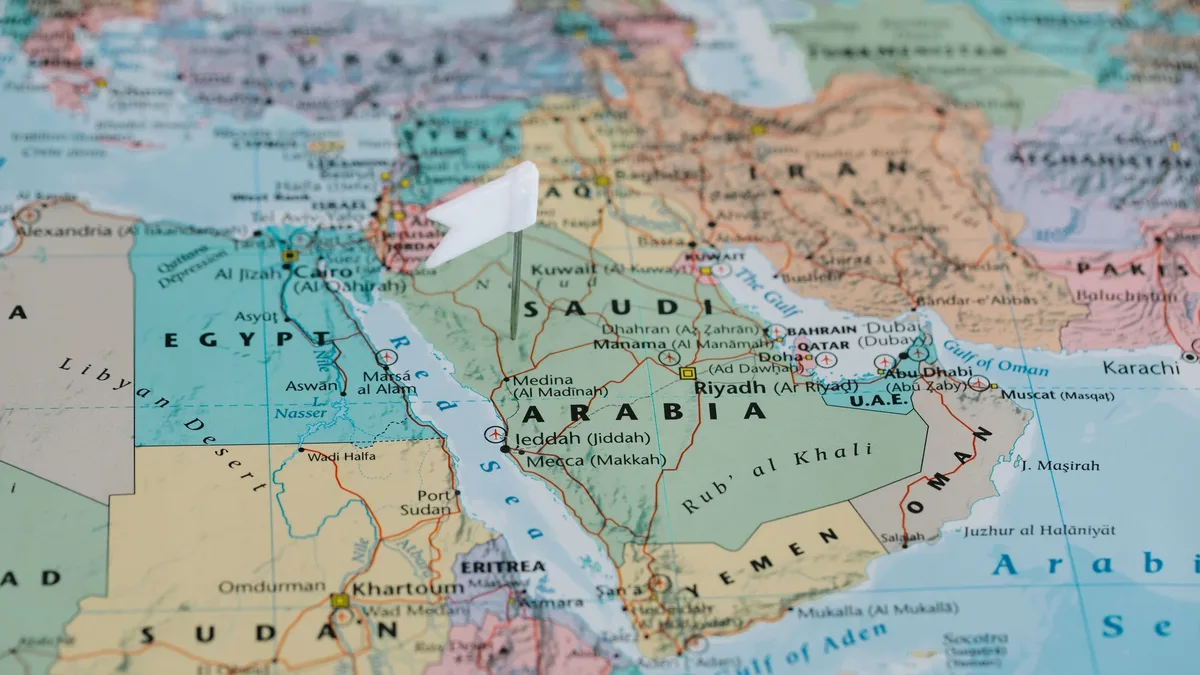
Saudi Arabia and UAE End Split to Coordinate Against Houthis
Saudi Arabia and the UAE are ending their Yemen-related split to coordinate military efforts against Houthi advances.

Trump weighs direct U.S. military action against Houthis
President Trump is actively considering direct U.S. military involvement in the Saudi-led campaign against Houthi rebels following two deadly missile...
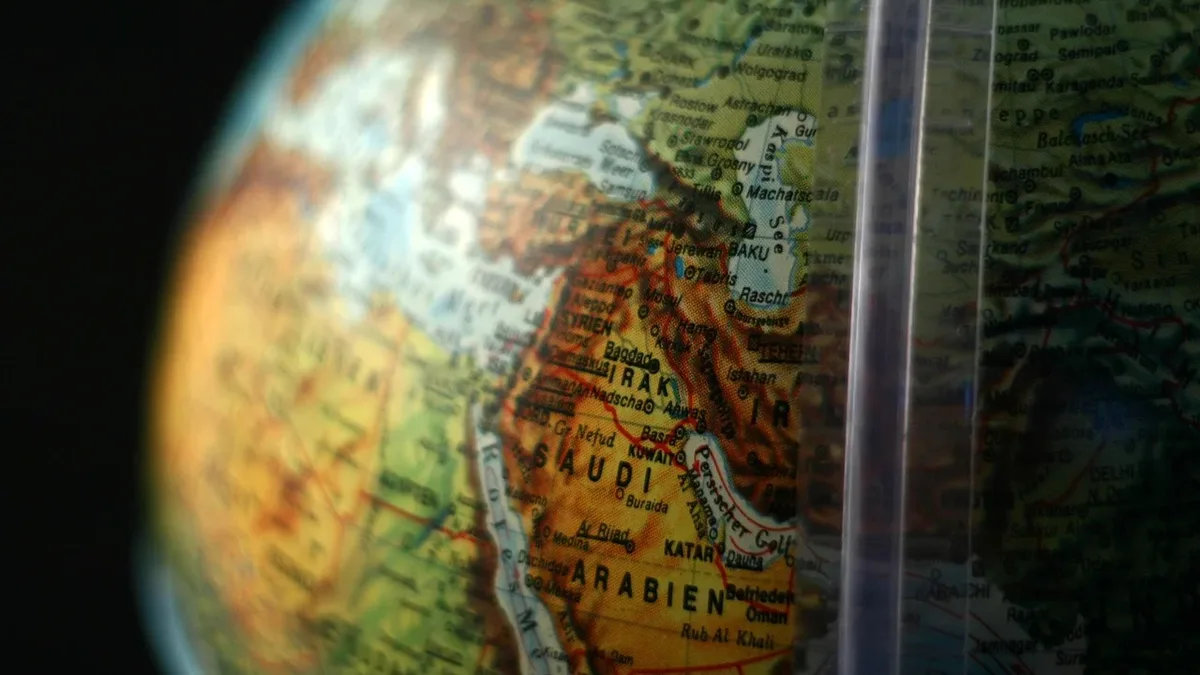
Saudi Arabia launches offensive after Houthis seize Red Sea coast
Saudi-led forces began a military offensive in early October 2026 after Houthi fighters captured Yemen's Red Sea coastline and strategic islands...
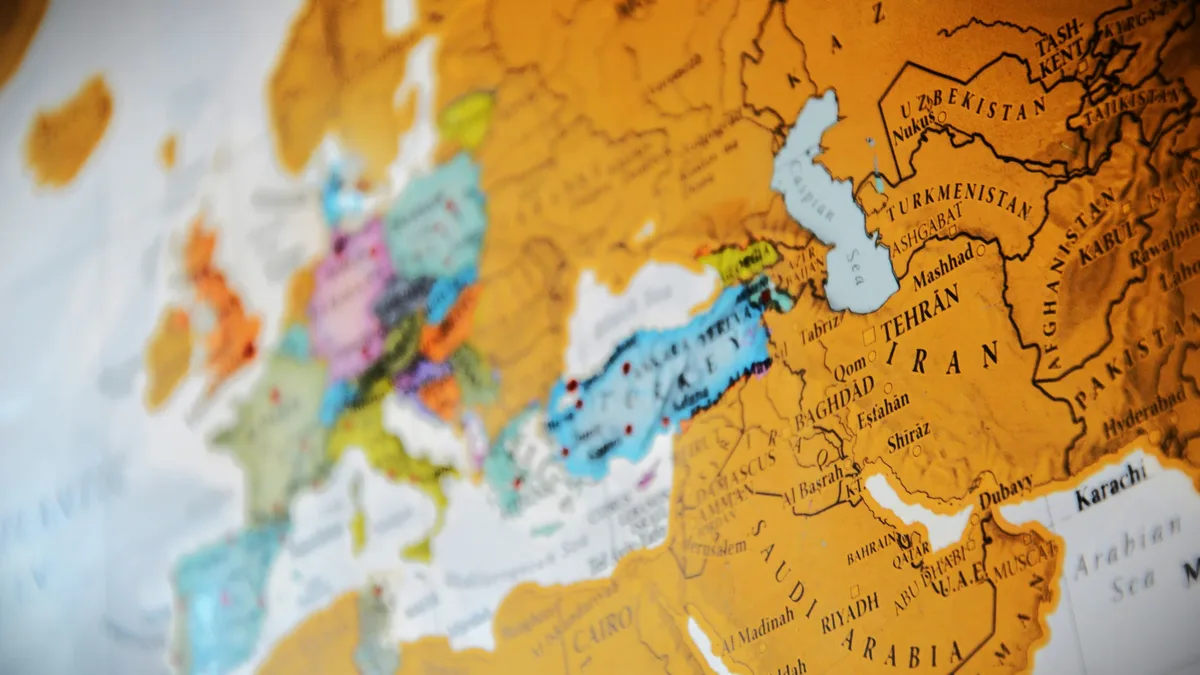
Saudi Arabia, Pakistan, Turkey Activate Defense Pact
Saudi Arabia, Pakistan, and Turkey have triggered the Mecca Joint Defense Agreement for the first time, committing to mutual defense following Houthi...
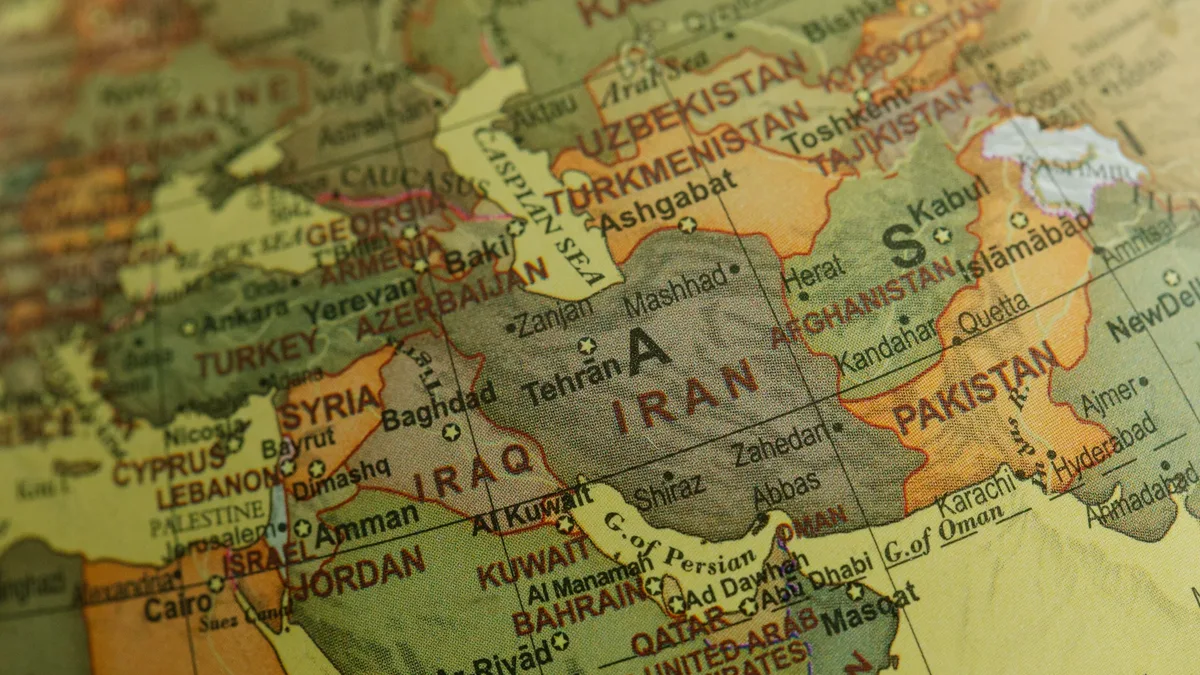
Saudi Arabia rethinks US alliance amid Iran war
The US-led war against Iran is exposing the limits of American protection for Saudi Arabia.
Mecca Pact Thresholds Shape Pakistan's Yemen War Stance
Analysis of the Mecca Joint Defense Alliance suggests Pakistan's commitment to Saudi Arabia is not an automatic trigger for direct military...