Mecca Pact Thresholds Shape Pakistan's Yemen War Stance
Analysis of the Mecca Joint Defense Alliance suggests Pakistan's commitment to Saudi Arabia is not an automatic trigger for direct military intervention in
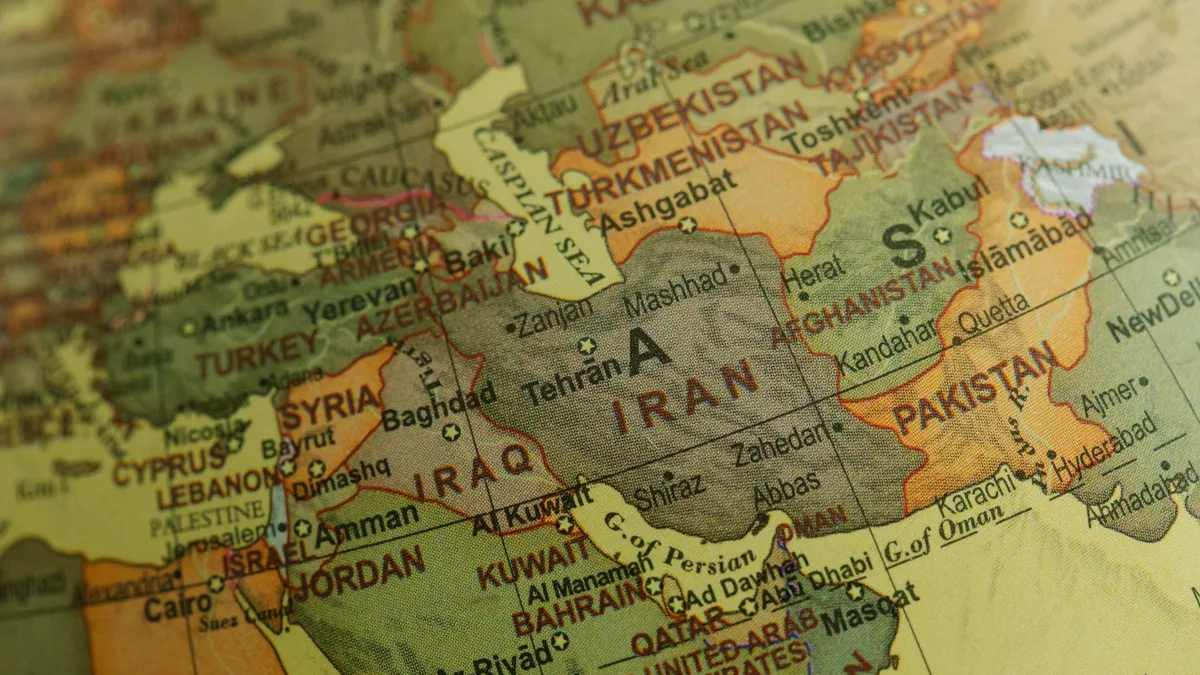
In early September, Houthi forces launched a new offensive in Yemen and targeted Saudi Arabia with drones and missiles. This escalation has turned attention to the Mecca Joint Defense Alliance, signed in August by Saudi Arabia, Pakistan, and Turkey, and the question of whether it compels Pakistan to enter the conflict.
According to analysis from Responsible Statecraft, the pact's collective defense principle does not mandate automatic military action. The agreement establishes that an attack on one member is considered an attack against all, mirroring language in alliances like NATO. However, this stipulates the provision of assistance, not necessarily direct combat involvement.
The Logic of Graduated Response
Saudi Arabia has not publicly invoked the Mecca Pact regarding the Houthi attacks. This reflects a shared understanding that the alliance is designed for collective security without allowing members to outsource their primary defense duties. The member states have an interest in preventing limited strikes from automatically dragging the entire alliance into a wider regional conflict.
The institutional logic favors a scaled response. The form and degree of assistance would increase alongside the severity of the threat. Pakistan's Defense Minister Khawaja Asif stated the country is bound by the pact's terms and will honor them if needed. The response, therefore, should not be seen as a simple choice between intervention and non-intervention.
Pakistan's Strategic Ambiguity and Current Role
On the operational side, Pakistan maintains deliberate ambiguity about its specific commitments. Publicly disclosing response thresholds would allow adversaries to tailor their strategies. Preserving uncertainty can strengthen deterrence.
Pakistan already has a significant military presence in Saudi Arabia, reportedly consisting of at least 8,000 troops and 16 aircraft. A Pakistani military spokesperson recently said Pakistan would go "to any extent" to defend the kingdom. Operationally, this could involve assistance in logistics, intelligence sharing, air defense, and combat support without directly piloting strikes inside Yemen.
There is a straightforward rationale for this approach. The Mecca Pact is a defensive arrangement, not an expeditionary force for power projection. Furthermore, Saudi Arabia possesses a sizable air force with advanced platforms like F-15s, which it used from 2015 to 2022, giving it the means to conduct strikes against Houthi launch sites without requiring Pakistan's direct combat role.
Red Lines and Maritime Security Complexities
The situation would change considerably if the Houthis launched a large-scale ground offensive into Saudi territory. Such an escalation could trigger a more substantial and direct Pakistani response. However, analysts suggest there is currently little military logic for the Houthis to take such a risky step.
A clear red line exists regarding the holy cities. Defense Minister Khawaja Asif said any attack on Mecca or Medina is a "red line" that would draw a Pakistani response even without a mutual-defense agreement. Saudi Arabia claims to have shot down a Houthi drone near Mecca, a claim the Houthis deny.
The strategic importance of the Bab el-Mandeb Strait presents a more complicated question. Both Saudi Arabia and Pakistan have an interest in securing this critical waterway for global trade. However, Pakistan lacks the naval capacity to undertake a sustained freedom of navigation operation alone. Any such effort would likely require participation in a broader international coalition, moving beyond the Mecca Pact's defensive purpose.
While operational details remain shrouded, there is agreement within Pakistan's strategic community on one point: the Houthis should not test the Mecca Defense Alliance.