US and Partners Sign San Francisco Declaration on AI Supply Chains
The United States and nine partner nations signed the San Francisco Declaration on November 15, 2026, establishing a multilateral framework to secure super intelligence supply chains by protecting sensitive technologies and critical infrastructure.
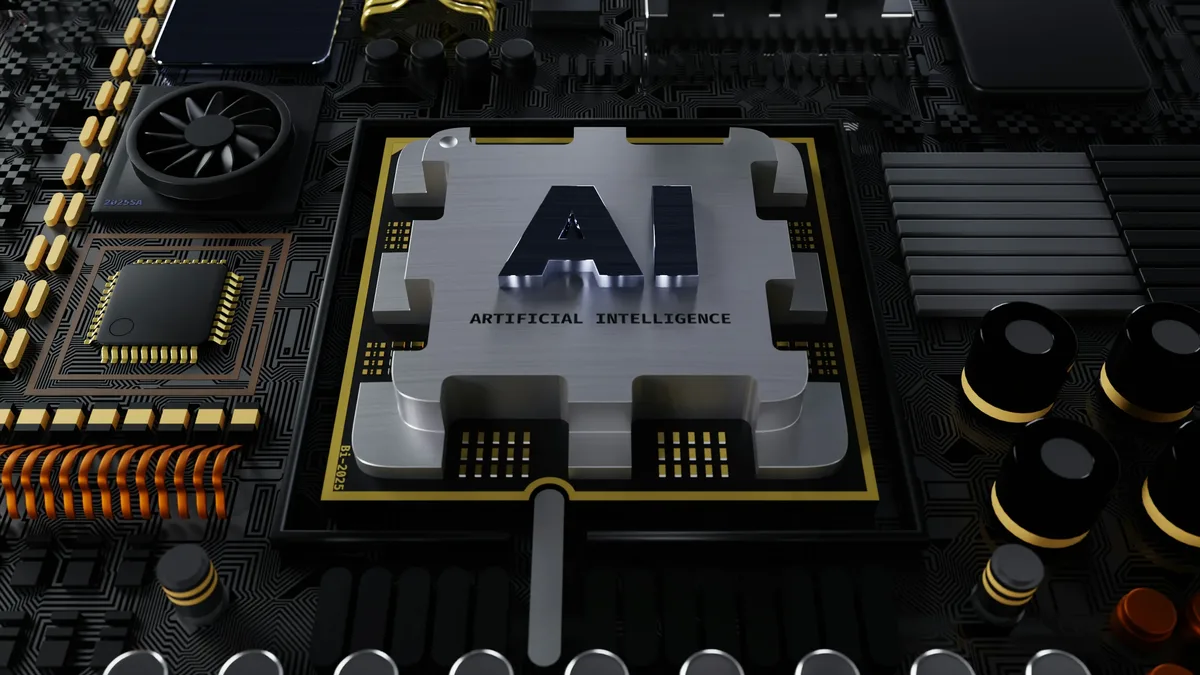
The United States and nine partner countries signed the San Francisco Declaration on November 15, 2026. The pact creates a formal structure to secure super intelligence supply chains through coordinated international efforts. The signatories are Australia, India, Israel, Japan, Qatar, the Republic of Korea, Singapore, the United Arab Emirates, the United Kingdom, and the United States. They signed the document during the Pax Silica Founders Retreat in San Francisco, which was convened by US Under Secretary of State for Economic Affairs Jacob Helberg.
The declaration establishes a shared understanding that economic security is fundamental to national security in the artificial intelligence era. It states that no single nation can independently secure the foundations of the emerging super intelligence era. Resilience, it argues, depends on diversified and trusted supply chains. Prosperity from super intelligence will only be durable if those supply chains and supporting infrastructure are secured.
Core security pillars defined
The declaration identifies two specific areas requiring collective protection: sensitive technologies and critical infrastructure. The first category includes goods, software, materials, and components essential to AI supply chains. The second encompasses ports, transport networks, communications systems, energy grids, and digital platforms.
The pact seeks to identify vulnerable areas across semiconductors, minerals, energy, and manufacturing. Its scope covers semiconductor design, chipmaking equipment and logistics infrastructure, critical minerals such as rare earths and magnets, energy infrastructure, and industrial capacity. The initiative aims to reduce dependence on concentrated supply chains by diversifying sources of critical materials and strengthening trusted manufacturing capabilities.
Implementation mechanisms established
To advance these goals, the declaration commits to establishing working groups for implementation across five key areas. These groups will focus on pro-innovation policy frameworks, adoption of advanced AI technologies across key sectors, cooperation across the entire AI supply chain, development of safe harbours and supply chain security hubs, and overall AI security and resilience.
The agreement calls for stronger enforcement of national policies to protect sensitive technologies and critical infrastructure from undue access, influence, or control. It also calls for coordinated efforts to address economic coercion, supply chain disruptions, and non-market policies that distort competition and investment. The US State Department stated this marks a new phase for Pax Silica, moving from shared principles toward a more structured working partnership.
Geopolitical context and motivations
The pact emerges from intensified US-China technological competition. It reflects participating nations' strategic pursuit of trusted technology partnerships. The long-running contest over AI includes US restrictions on investments in China's AI, quantum computing, and microelectronics sectors. In October 2022, the US imposed sweeping restrictions blocking advanced AI chips and semiconductor manufacturing equipment from reaching Chinese companies.
China has progressed rapidly in AI development through homegrown large language models. Some of its latest AI offerings are performing at a level comparable to leading Western models. The unauthorized sale of some of Nvidia's most advanced chips to Chinese companies, circumventing US export restrictions, has also drawn recent attention.
India's participation signals its pursuit of trusted technology partnerships and a desire to diversify critical supply chains. The arrangement brings India together with the US and several other nations to safeguard critical technologies and AI-linked supply chains. The signatories have agreed to build a joint list of critical technologies and AI-related supply chains that need greater protection.
The San Francisco Declaration reinforces the position that future technological development must be protected through trusted international partnerships. Its implementation through the newly established working groups will determine its effectiveness in securing AI supply chains amid ongoing global competition.