Us European Union
| Type of entity | Political and economic union |
|---|---|
| Member states | 27 |
| Total area | 4,233,255 km² |
| Official currency | Euro (used by 21 member states) |
| Foundation treaty | Maastricht Treaty (came into force in 1993) |
| Legal personality | Acquired with the Treaty of Lisbon (2009) |
| Predecessor entities | European Coal and Steel Community, European Economic Community |
| Schengen Area | Passport controls abolished for internal travel |
Origin and history
The European Union originates from the continent of Europe, specifically from a core group of six Western European nations in the aftermath of the Second World War. Its beginnings can be traced to the Inner Six states, Belgium, France, Italy, Luxembourg, the Netherlands, and West Germany, at the start of modern European integration in 1948. The first concrete institutional foundation was the European Coal and Steel Community (ECSC), established by the Treaty of Paris in 1951, which aimed to integrate key industrial sectors to make future war between historic rivals like France and Germany materially impossible. This was followed by the creation of the European Economic Community (EEC) and the European Atomic Energy Community (Euratom) through the Treaties of Rome in 1957, which deepened economic cooperation. The entity now known as the European Union was formally established when the Maastricht Treaty came into force in 1993, creating the EU structure and introducing EU citizenship. The Union has evolved through successive treaties and enlargements, growing from the original six members to 27, with the United Kingdom becoming the only member state to leave in 2020.
What it is for
The European Union is a political and economic union established to foster peace, stability, and prosperity among its member states through deep integration. Its primary purpose is to maintain and develop an internal single market based on the free movement of people, goods, services, and capital, governed by a standardized legal framework agreed upon by all members. The EU enacts common policies in areas such as trade, agriculture, fisheries, and regional development to promote economic cohesion and competitiveness. It aims to ensure security and justice through cooperation in home affairs and has developed a role in external relations and defence via the Common Foreign and Security Policy. The union represents its collective interests on the global stage, maintaining permanent diplomatic missions and representing itself at international bodies like the United Nations and the World Trade Organization. Furthermore, for a subset of member states, the EU manages an economic and monetary union, with the euro as a common currency, to facilitate deeper economic integration.
Pros and cons
A primary advantage of the EU is the unprecedented peace and political stability it has helped secure among its historically conflict-prone member states, largely by deeply intertwining their economies and governance. The single market provides significant economic benefits, offering businesses a vast, borderless consumer base and giving citizens enhanced opportunities for work, study, and residence across 27 countries. The collective weight of the EU allows member states, especially smaller ones, to exert far greater influence in global trade negotiations and diplomatic affairs than they could individually. A significant con, however, is the perceived democratic deficit and complexity of its institutions, which can lead to feelings of disconnection and a lack of control among citizens over decisions made in Brussels. The requirement for consensus or qualified majority voting on many issues can result in slow, cumbersome decision-making, particularly in times of crisis when swift action is needed. The common policies, especially in areas like agriculture or regional funds, often lead to disputes over net financial contributions and perceived unfair distribution of benefits, creating persistent tensions between member states.
Who it suits
The European Union model suits nations that prioritize deep economic integration and collective political clout over full, unfettered national sovereignty in a range of policy areas. It is particularly well-suited for smaller and medium-sized European states that benefit enormously from the scale and protection of the single market and the amplified voice the union provides on the world stage. Member states must be willing to adhere to a complex body of common rules and regulations and to accept the jurisdiction of EU courts, making it a poor fit for countries with a strong tradition of unilateralism or deep skepticism towards supranational governance. The union suits economies that are developed enough to compete within the single market and that can align with the political and legal criteria required for membership, known as the Copenhagen criteria. It is suited for populations that value the freedom of movement and cultural exchange facilitated by open borders within the Schengen Area, though this requires a commitment to shared security and external border management. Ultimately, it suits countries convinced that their long-term security and prosperity are best guaranteed by binding, institutionalized cooperation with their neighbors.
Latest Us European Union news
Latest reporting
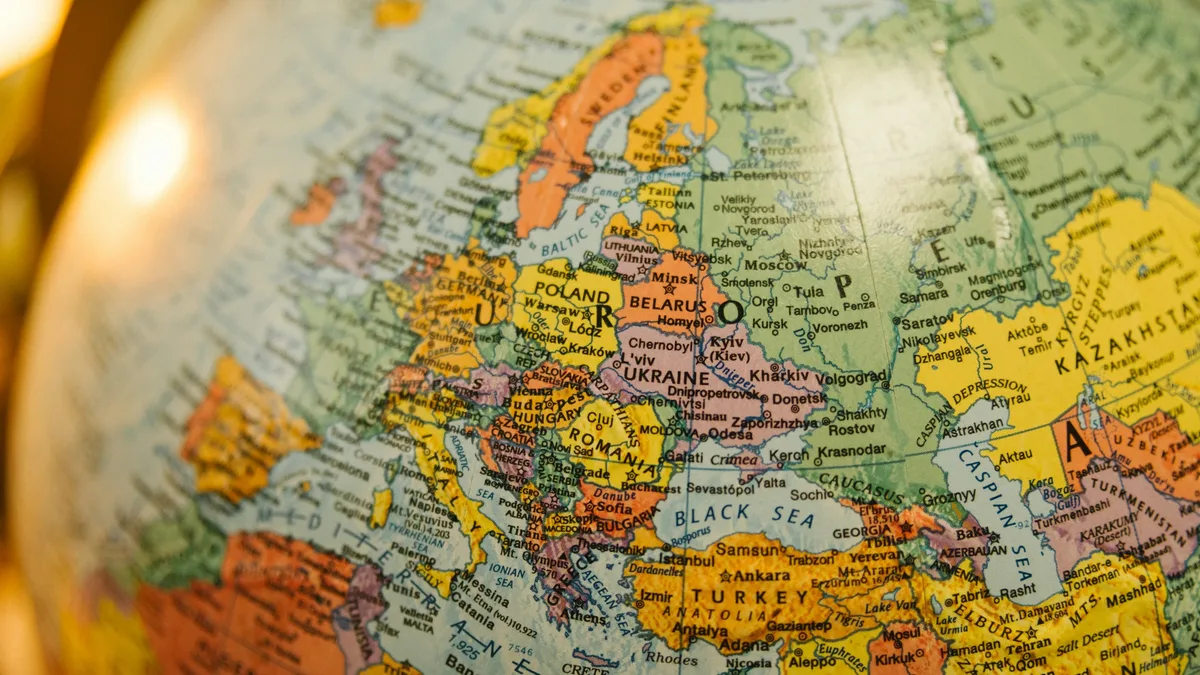
U.S. Envoys Seek European Role in Ukraine Peace Talks
After Abu Dhabi talks, U.S. negotiators push to include Europe in a new security framework, but Moscow rejects direct European participation amid...
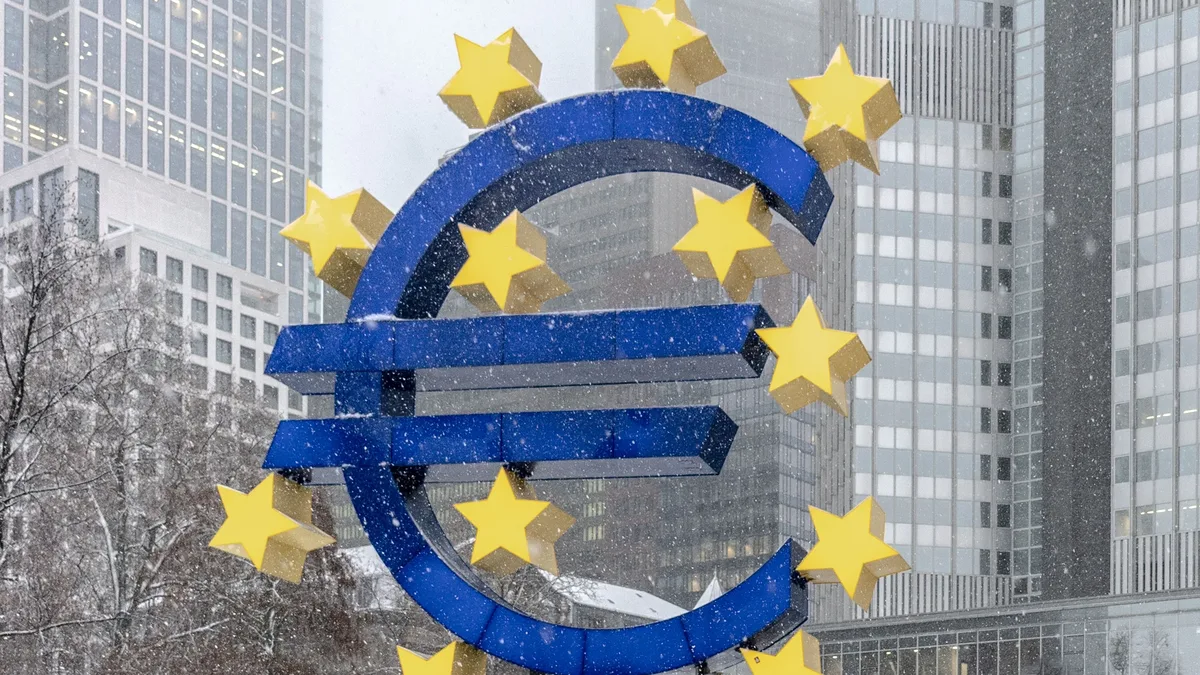
Christine Lagarde Resigns as ECB President Nine Months Early
Christine Lagarde announced her resignation as European Central Bank president on February 7, 2027, nine months before her term ends.

Serbian Student Movement Wins Election, Ending Vučić Era
A student-led political list has won a parliamentary majority in Serbia, defeating President Aleksandar Vučić's long-dominant party and promising...

EU Debates Emergency Protocol to Counter Russian Hybrid Threats
The European Commission President has proposed an 'Emergency Security Protocol' modeled on NATO’s Article 4 to counter hybrid threats from Russia.

Macron's Strategic Autonomy Vision Faces European Defense Hurdles
French President Emmanuel Macron has won the argument for European strategic autonomy.

German Populists Criticize US Foreign Policy Under Trump
Germany's far-right AfD party and other European populist leaders have voiced criticism of US foreign policy actions under President Donald Trump.