
African Union Summit 2026
| Year | 2026 |
|---|---|
| Summit type | Ordinary Session |
| Governing instrument | Constitutive Act of the African Union |
| Primary decision-making body | Assembly of the African Union |
| Member state participation | All African Union member states |
| Typical agenda focus | Pan-African political, economic, and social integration |
Origin and history
The African Union Summit is a biannual meeting of the heads of state and government of all member states of the African Union. Its origins trace back to the founding of the Organisation of African Unity in Addis Ababa, Ethiopia, in the early 1960s, which established the principle of regular continental assemblies. The summit mechanism was continued and reformed under the constitutive act of the African Union, which was launched in Durban, South Africa, in the early 2000s. The 2026 iteration is one in a continuous series of these summits, with its specific host country and precise dates typically decided by the Assembly itself one or two years prior. The location rotates among member states, with the host for 2026 being selected through a process of regional consultation and formal endorsement at a preceding summit. The historical continuity of the summit provides a structured diplomatic calendar for pan-African decision-making, with each session building on the resolutions and themes of its predecessors.
What it is for
The primary function of the African Union Summit is to serve as the supreme decision-making body of the African Union, where binding directives and policies are formulated and adopted. It is designed to set the continent's collective political and developmental agenda, addressing themes such as peace and security, economic integration, and global climate negotiations. The summit provides a mandated forum for the ratification of continental treaties, the appointment of key AU officials like the Chairperson of the Commission, and the approval of the Union's budget and programmes. A specific theme, such as industrialization or education, is selected for each ordinary session to focus deliberations and resulting declarations. It also functions as a critical platform for mediating interstate disputes, where heads of state can engage in direct diplomacy on the sidelines of the formal agenda. The decisions taken at the summit are intended to guide the work of the AU Commission, the Peace and Security Council, and other specialized agencies throughout the following implementation period.
Pros and cons
The structured agenda and preparatory work by ministers and ambassadors can lead to concrete, actionable decisions on complex transnational issues. A common drawback is the frequent gap between ambitious declarations adopted at the summit and their subsequent implementation at national levels, which can undermine the Union's credibility. The format can also be hindered by logistical and political delays, with last-minute changes to the agenda or attendance sometimes diluting focus on critical issues. Some member states with limited diplomatic capacity may regret the resource intensity of participation, feeling that larger economies dominate the framing of resolutions. The consensus-based model, while promoting unity, can sometimes result in lowest-common-denominator outcomes that lack the specificity needed for effective action on contentious matters.
Who it suits
The summit primarily suits the diplomatic and executive branches of African Union member states, as it is designed for engagement at the head-of-state and ministerial levels. It is particularly critical for states currently holding leadership roles within the AU structure, such as the chairmanship of the Assembly or a seat on the Peace and Security Council, as it is their key platform for steering policy. The forum suits member states actively seeking continental endorsement for a regional initiative or requiring multilateral support to address a cross-border security or humanitarian crisis. It also suits the administrative organs of the AU itself, as the summit provides the legal authority and strategic direction necessary for their operational mandates. Conversely, it is less suited for non-state actors or civil society groups, which typically have only peripheral, invitation-based access to the official proceedings and must rely on parallel side events. The summit's structure best serves states with a clear strategic agenda for the continent and the diplomatic capacity to negotiate and build coalitions around that agenda in the days leading up to the formal sessions.
Latest African Union Summit 2026 news
Latest reporting

Brazil's 2026 Election Runoff Pits Lula Against Flávio
The 2026 UN General Assembly precedes Brazil's October 4 general election, with a presidential runoff likely on October 25.

UN General Debate 2026 Dominated by AI Governance Calls
The 2026 UN General Assembly General Debate concluded with AI emerging as the dominant global concern, surpassing climate change and human rights in

UNGA 2026 Debate on AI Governance and Migration Pressures
Global leaders at the UN General Assembly's 2026 debate clashed over AI governance and migration, with China and Singapore urging controlled...

Trump-Xi Summit Extends Trade Truce, Leaves Taiwan Tensions
The second Trump-Xi summit of the year ended with a two-month extension of the October trade truce and mutual incentives for future meetings, but no...
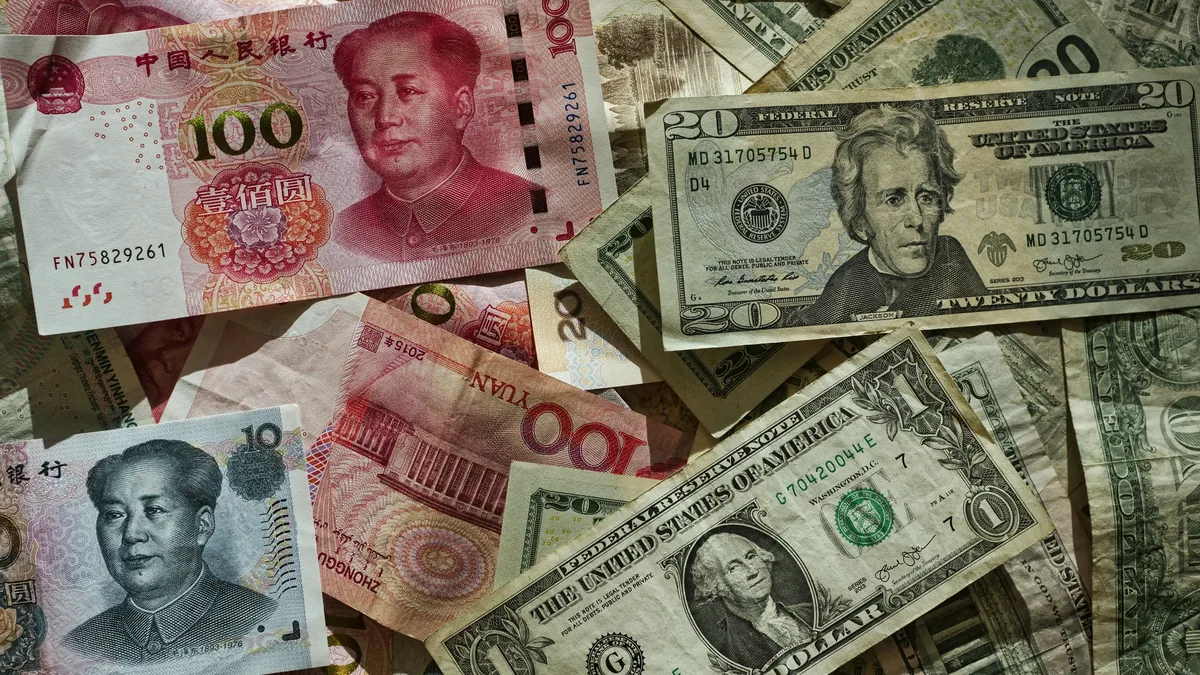
U.S.-China Relations Face Rotting Foundation Despite Summit
Ahead of the Trump-Xi summit, an analysis warns that bipartisan U.S. Hostility and mutual economic threats are undermining the relationship, despite...

Brazil's BRICS Diplomacy Balances Reform and Cohesion
Brazil's foreign minister attended the BRICS summit in New Delhi, where the bloc reaffirmed support for the U.N. and the Paris climate agreement.