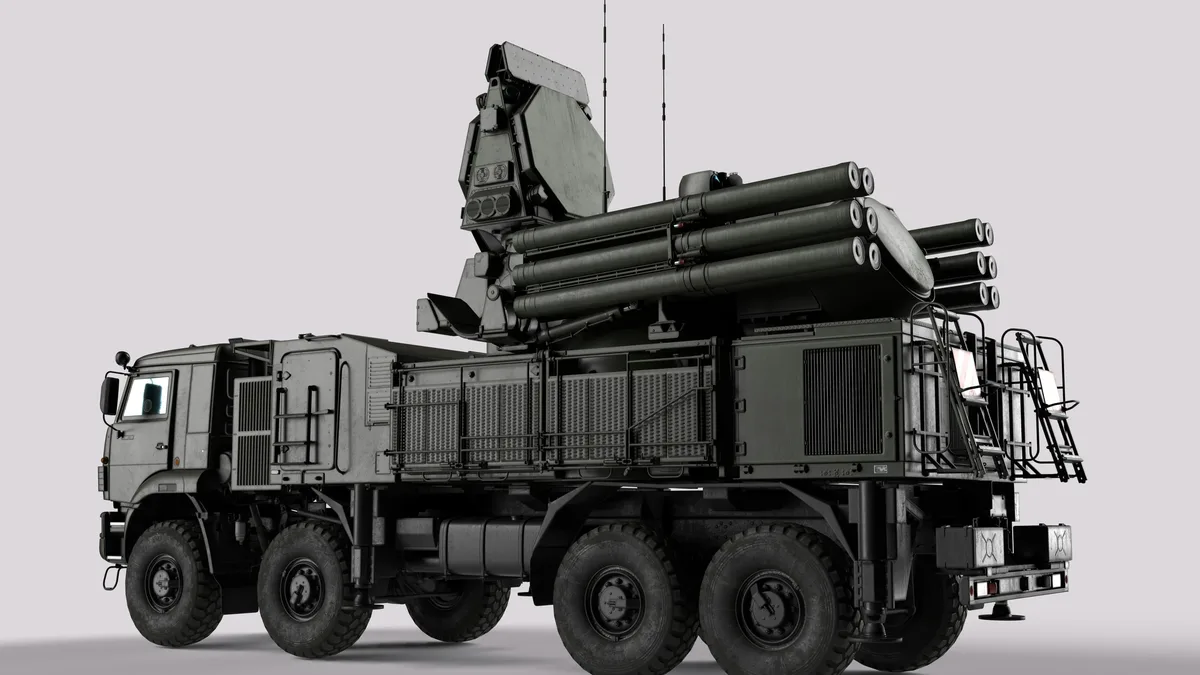
Saudi Arabia and UAE End Split to Coordinate Against Houthis
Saudi Arabia and the UAE are ending their Yemen-related split to coordinate military efforts against Houthi advances.
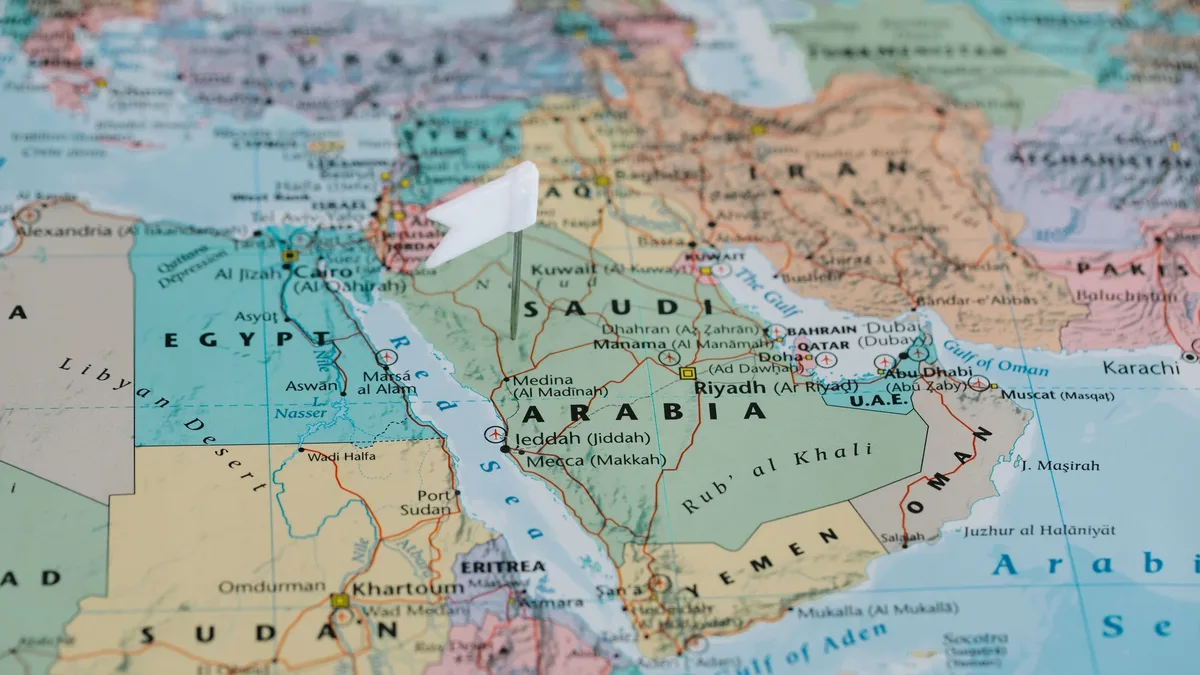
Saudi Arabia and the United Arab Emirates are ending their split to coordinate military efforts against Houthi advances in Yemen. The Houthis' lightning advances have given the two Gulf powers an opening to set aside differences after a rupture less than a year ago.
Saudi Defense Minister Khalid bin Salman met with UAE President Mohammed bin Zayed on October 18. The official readout did not announce a Yemen military agreement, but it was separately reported that Abu Dhabi had agreed to resume payments to government-aligned forces it had previously backed in southern Yemen. In exchange, Saudi Arabia's air force would provide support for those forces against the Houthis. The two Gulf heavyweights are finding common ground to counter the Houthis once more.
Historical context of rivalry
The shift in tone signals an effort to sideline the December 2025 rupture in relations. That rupture saw UAE-backed Southern Transitional Council (STC) forces capture large parts of the Hadramawt and al-Mahra provinces bordering Saudi Arabia. Riyadh viewed the advance as a direct threat to its national security, triggering severe public recriminations. That confrontation exposed competing visions for Yemen that had strained their intervention from the outset.
Although both led a war against the Houthis starting in 2015, Riyadh backed the internationally-recognized government, while Abu Dhabi cultivated southern armed groups, including the separatist STC. The Saudis wanted a unified government capable of defeating the Houthis. The UAE prioritized advancing southern Yemen's independence via the STC in a bid to gain control over ports, including Aden. Those differences flared up in 2019, when STC and government forces fought for control of Aden, until a marriage of convenience saw Riyadh and Abu Dhabi unify these factions into a fragile power-sharing agreement.
The rivalry created a fragmented state where local militias answered to competing paymasters in Riyadh or Dubai rather than any unified government. When both powers drifted apart, the intensity of their joint military interventions cooled, keeping a fragile status quo alive.
Limited political alignment
Agreement on confronting the Houthis does not necessarily extend to agreement on which Yemeni actors should be empowered. Disagreements over who should govern Yemen could also complicate decisions about how to fight the Houthis and on what terms to negotiate. Yemen's fractured political class will likely get sidelined while regional power brokers carve out spheres of influence.
The Southern Transitional Council and other aligned groups might find themselves forced into arrangements that suit Saudi and Emirati security checklists rather than local aspirations. History shows that patching up a Riyadh-Abu Dhabi rivalry does not translate to stability for Yemen. It usually means a more efficient division of labor in a proxy war.
One longstanding source of friction is the Islamist Islah party, which is allegedly tied to the Muslim Brotherhood. Despite both governments' hostility towards the Muslim Brotherhood, Riyadh has maintained relationships with Islah politicians within the internationally-recognized government. Abu Dhabi has reportedly even hired mercenaries to assassinate the faction's leaders.
Fragile coordination and regional risks
The UAE is unlikely to fight the Houthis directly as it did in the previous stage of the war. The Houthis had previously struck Emirati territory, notably in 2022. Abu Dhabi may be more inclined to limit its role to supporting local anti-Houthi factions, particularly given the Houthis' markedly improved strike capabilities.
Abu Dhabi has built influence through relationships with capable local militias and a wider network of commercial and security interests. Therefore, Abu Dhabi maintains significant leverage, which it can tap into by rapidly reactivating financial and logistical support. The real danger is that Riyadh and Abu Dhabi will each maintain their own channels of influence and back parallel structures that end up causing fractures in territories beyond Houthi control.
Since the U.N.-brokered ceasefire in April 2022, Riyadh has spent years seeking a negotiated exit from Yemen's war. Renewed Houthi attacks on Saudi territory have shown the limits of its containment policy. Saudi Arabia has already called on Turkey, Pakistan and Egypt for defensive support against Houthi strikes.
Divisions among various anti-Houthi groups remain deep. Southern factions are still divided over independence, autonomy, and the distribution of power. Any Saudi-UAE military coordination will remain fragile so long as the two Gulf powers continue to pursue conflicting endgames for Yemen. If the two neighbors focus solely on reasserting military dominance without addressing governance, local grievances, and inclusive dialogue, the renewed partnership will only build a foundation for the next crisis. Millions remain displaced, basic infrastructure is shattered, and the economy is on life support in Yemen.