Saudi Arabia rethinks US alliance amid Iran
The US-led war against Iran is exposing the limits of American protection for Saudi Arabia, prompting Riyadh to seek security partnerships with China
The United States went to war with Iran believing American power could quickly overwhelm Tehran. For Saudi Arabia, the conflict is having nearly the opposite effect.
Iran and its regional allies have shown they can still threaten Saudi cities, oil installations, and export routes. Washington has simultaneously proven that overwhelming offensive power does not necessarily translate into effective defense for its Gulf partners. According to an analysis published by Responsible Statecraft, the likely consequence is a historic Saudi reassessment leading to less confidence in the United States and closer ties with regional partners and China.
The Geography of Vulnerability
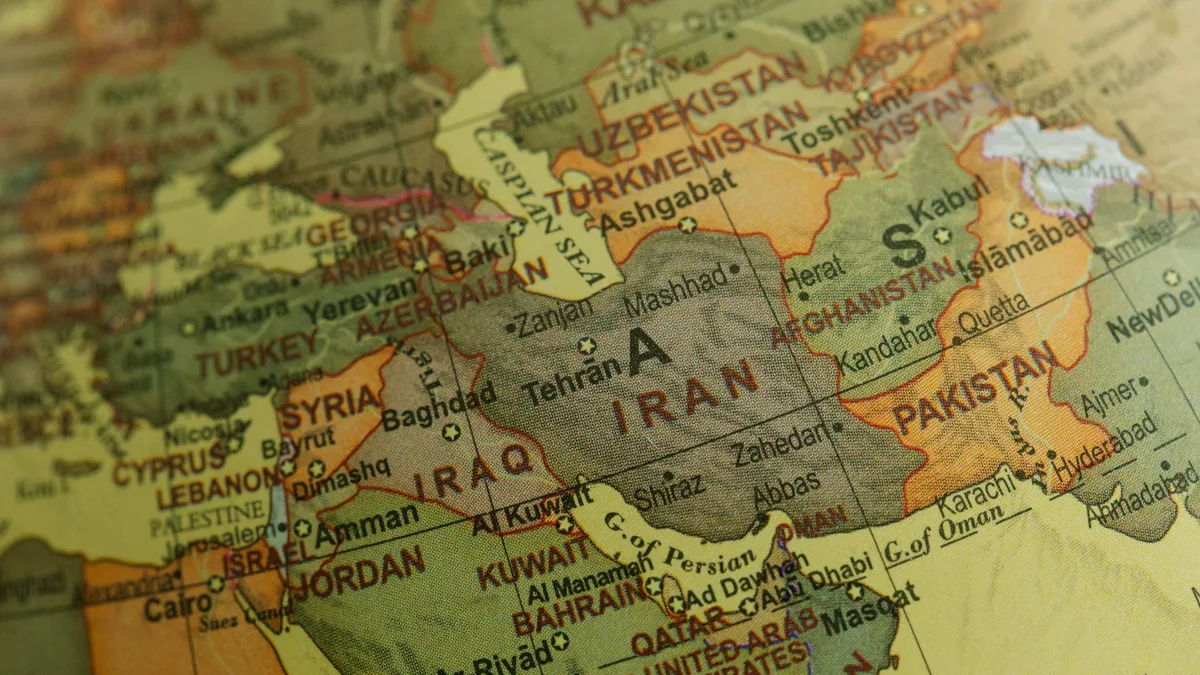
Saudi Arabia's strategic problem is not new. Its oil fields and processing plants lie near the Gulf. The East-West Pipeline, intended as an alternative export route, crosses vast, exposed territory. The Red Sea outlet can be threatened from Yemen. Iran's influence in Iraq, Syria, Lebanon, and Yemen allows it to apply pressure around much of the kingdom's perimeter.
Attacks in 2019 on the Abqaiq processing complex and pumping stations on the East-West Pipeline displayed the accuracy and reach of weapons available to Tehran or its allies. Saudi leaders were deeply disappointed when the United States did not retaliate for the Abqaiq attack. They had invested heavily in relations with the first Trump administration, a commitment reinforced by the Saudi Public Investment Fund's $2 billion commitment to Jared Kushner's private-equity firm.
The War's Exposed Guarantee
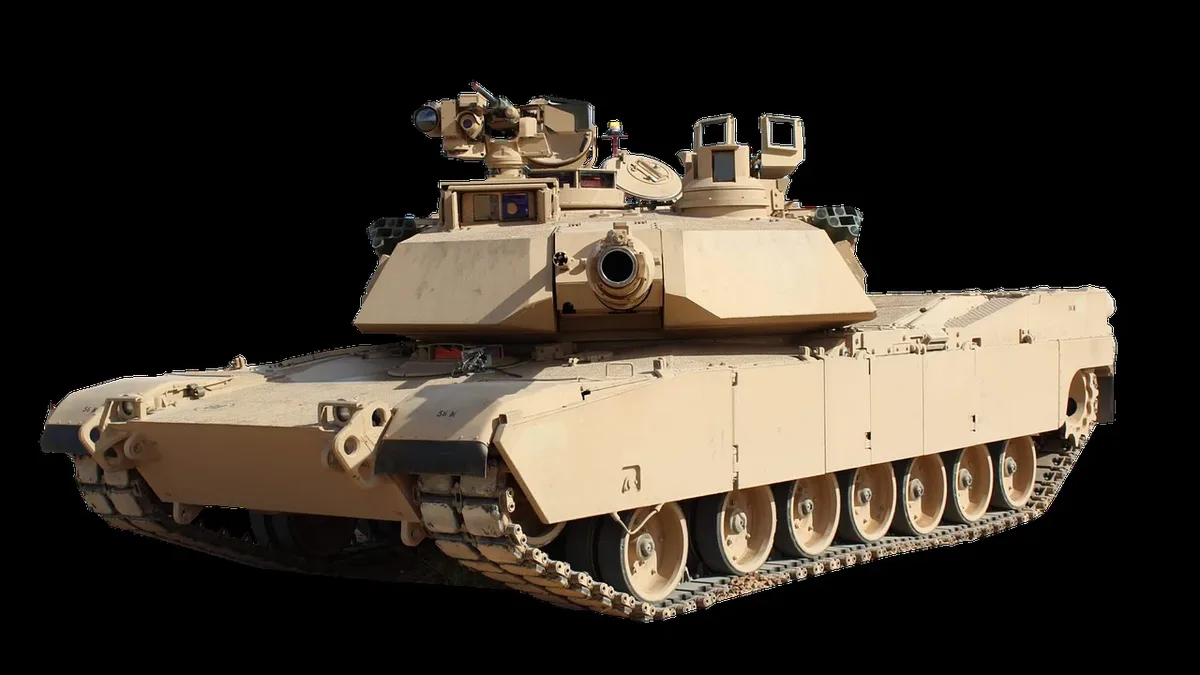
The present war makes the problem much greater. The United States can destroy targets across Iran but has not been able to prevent Tehran and its partners from striking back across the region. Saudi Arabia is now paying for a conflict it did not start and cannot control. Recent strikes on the East-West Pipeline underline that the route intended to insure Saudi exports against the closure of the Strait of Hormuz is itself a target.
The issue for Riyadh is the mismatch between American power and Saudi security. Washington may be able to punish Iran severely without being able to stop attacks on critical infrastructure. A prolonged war can increase those attacks by giving Iran an incentive to raise the cost to America's partners.
Strains in the Strategic Bargain
The deterioration extends beyond immediate defense. The U.S.-Saudi civil nuclear agreement once appeared to be the centerpiece of a broader strategic bargain. Yet after supporting it, President Trump publicly made its political future dependent on Saudi participation in the Abraham Accords. That demand is seen as extraordinarily difficult for Crown Prince Mohammed bin Salman to meet while Israel continues its operations in Gaza.
From Riyadh's perspective, Washington has again turned a promised strategic benefit into a conditional instrument of American and Israeli policy. The agreement has been submitted to Congress and is not formally dead, but tying it to normalization has placed it in severe political jeopardy.
Building Alternatives
Saudi Arabia is already building alternatives to over-reliance on Washington. The Mecca Joint Defence Agreement signed in August by Saudi Arabia, Pakistan, and Turkey commits the three countries to treat an attack on one as an attack on all. Its practical obligations remain untested, but its political meaning is clear. Saudi Arabia no longer wants its survival to depend on a single outside protector.
China is the more consequential alternative. It is the largest buyer of Gulf oil, an indispensable economic partner, and one of the few powers with real leverage in Tehran. Beijing also brokered the 2023 restoration of Saudi-Iranian diplomatic relations. Unlike Washington, China does not ask Riyadh to normalize relations with Israel or align publicly with a divisive regional war.
Saudi leaders may increasingly conclude that China, precisely because it maintains relations with both sides, is better placed to restrain Iran and protect commercial stability. This does not mean China will replace the United States as Saudi Arabia's military protector. Beijing has neither America's regional force structure nor a desire to inherit its security burdens.
Influence does not require exact replacement. China can supply technology, investment, and diplomatic access while Saudi Arabia assembles a diversified security system involving Washington, Beijing, Islamabad, and Ankara. Each disappointment with the United States accelerates that process. The great irony is that an American war intended to reassert U.S. Power may instead reduce U.S. Primacy in the Gulf.