Saudi Arabia launches offensive after Houthis seize Red Sea coast
Saudi-led forces began a military offensive in early October 2026 after Houthi fighters captured Yemen's Red Sea coastline and strategic islands, reigniting a full-scale war and drawing in foreign military support.
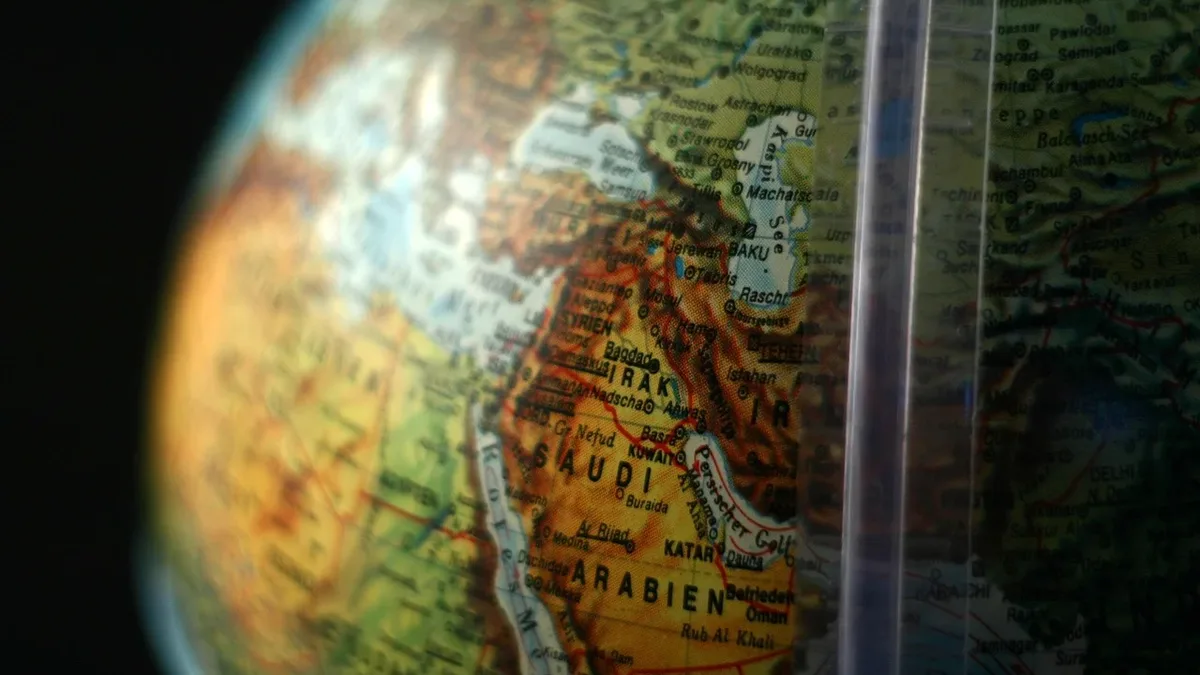
In early October 2026, Saudi-backed government forces began retaking territory from the Houthis and Saudi Arabia launched a punishing air assault on Houthi positions. This military response followed the Houthi seizure of Yemen’s Red Sea coastline and strategic islands in the Bab al-Mandab Strait on September 10, 2026. France, Pakistan, and the United States have sent personnel to help Saudi Arabia counter the Houthi offensive.
Regional war reignites after years of fragile truce
The catalyst for the latest round of violence was on July 13, 2026, when an Iranian civilian plane carrying a Houthi delegation was bombed at Sanaa International Airport. The plane was forced to land in Houthi-controlled Hodeidah. Yemen’s internationally recognized government under the Presidential Leadership Council took responsibility for the attack, though the Houthis blamed Saudi Arabia. On July 20, the Houthis announced a blockade on Saudi Arabia targeting oil exports through the Bab al-Mandab Strait and subsequently targeted Saudi petroleum facilities and oil tankers. The attack on Sanaa Airport officially ended the truce between Saudi Arabia and the Houthis that had largely held since April 2022.
This escalation reflects broader regional tensions. After dealing with a UAE-backed separatist push in Yemen, Saudi Arabia now faces a regional war. The Houthis have been allied with Iran and received weapons and support from Tehran since at least 2009, though analysts note the group has its own agenda to consolidate control over Yemen. Their recent escalation reflects momentum from Iran’s success in withstanding American and Israeli attacks.
UN warns of full-scale war as civilian toll rises
United Nations Special Envoy Hans Grundberg stated that Yemen has slid back into 'full-scale war'. He made the statement during a meeting at the UN Security Council, warning that civilians, including women and children, were bearing the brunt of escalating violence. According to the UN, at least 46 civilians have been killed and more than 130 others injured since August, with children bearing a disproportionate toll.
Grundberg linked Yemen's conflict to wider instability. 'Ongoing instability in the Middle East continues to impact dynamics in Yemen, while developments in Yemen, in turn, reverberate across the region,' he said. He urged Security Council members to collectively support mediation efforts, arguing that gains on the battlefield cannot substitute for required negotiations.
Yemeni government calls for international action against Houthi supply chains
Abdullah Ali Fadhel al-Saadi, the UN representative for Yemen’s internationally recognised government, told the Security Council that the threat from the Houthis was no longer an internal Yemeni affair. He called on the council to take decisive, practical measures to reduce the flow of funding, weapons and technology to the Iranian-backed group. Al-Saadi also called for strengthening cooperation with the Yemeni government and thanked Riyadh for its continued support.
The Houthis' military capabilities have grown significantly. Over the past four years, they have improved their ability to manufacture weapons inside Yemen, though a network of providers, including Iran, continues to supply raw materials and components. Analysts claim the group has been bringing in large shipments of military material. There are reports that the Houthis have used AI tools to develop guided weapons, having experimented with drone boats as early as 2017.
Attacks on Saudi infrastructure escalate regional tensions
The conflict's regional spillover was starkly illustrated by attacks on Saudi Arabia's King Khalid International Airport, north of Riyadh. The Saudi Civil Aviation Authority reported the airport was subjected to two attacks on a Thursday in October, killing three Saudi citizens. Gulf states and European countries condemned the attacks.
The Houthis' strategic shift preceded the offensive. In a June 2026 speech, Houthi leader Abdul Malik al-Houthi announced the group was ready for combat and called for action to end over 11 years of Saudi aggression. This shifted their narrative away from support for Palestinians, which had been central since Israel’s assault on Gaza began in October 2023. Following an Israeli assassination of several Houthi cabinet ministers in August 2025 and a later Gaza ceasefire commitment, the Houthis limited attacks on Israel and shifted focus to Riyadh’s restrictions on their airspace and seaports.
The Houthi advance was also facilitated by shifting alliances within Yemen. The group's seizure of the Red Sea coast was aided by the UAE’s withdrawal from Yemen in January 2026 under Saudi pressure. Until early 2026, the UAE provided significant assistance to the Southern Transitional Council, a separatist group whose chairman was also a member of the Presidential Leadership Council. After STC forces took large swathes of territory in eastern Yemen in December 2025, Saudi Arabia bombed Emirati ships transporting weapons to the STC and demanded a full UAE withdrawal. The STC leadership subsequently announced its dissolution. Saudi Arabia’s attempt to quash the STC alienated separatists who previously supported the PLC, and the PLC’s initial inability to repel the Houthi advance was seen as a sign of the ruling government’s overall ineffectiveness.
Hans Grundberg warned the Security Council that unless war is to become Yemen’s permanent reality, the time to consider political strategies is now.