Saudi Arabia, Pakistan, Turkey Activate Defense Pact
Saudi Arabia, Pakistan, and Turkey have triggered the Mecca Joint Defense Agreement for the first time, committing to mutual defense following Houthi attacks on Saudi infrastructure.
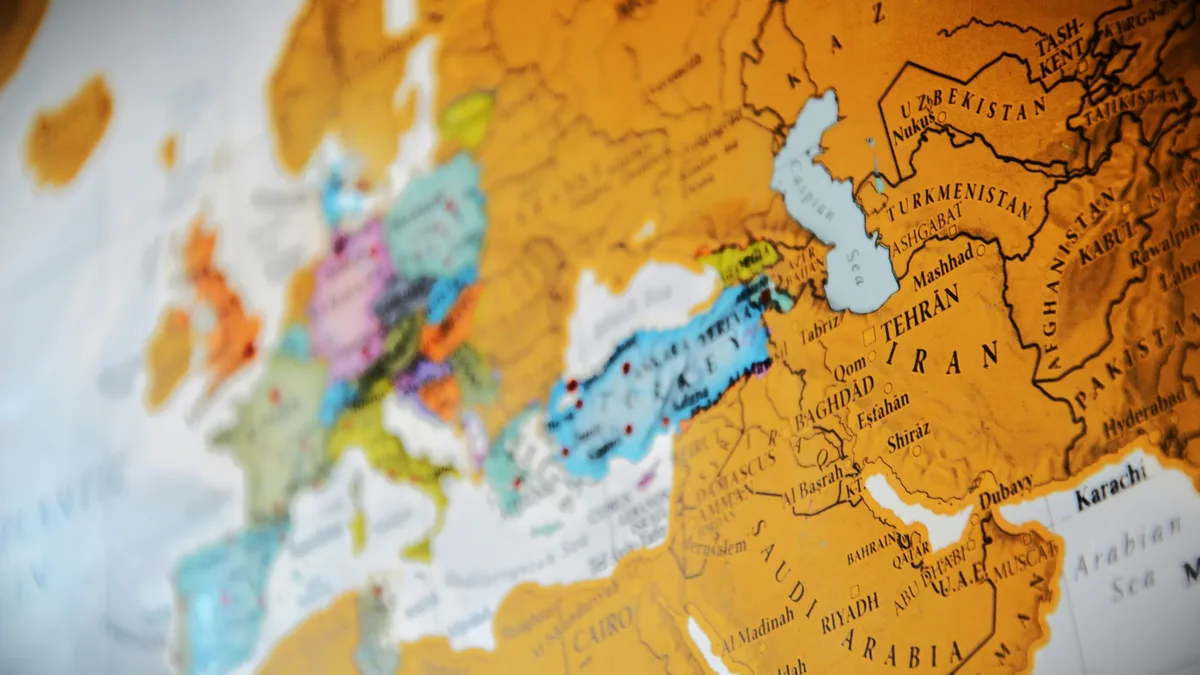
Saudi Arabia, Pakistan, and Turkey activated the Mecca Joint Defense Agreement on Monday. This first-ever activation commits the three nations to mutual defense in response to Houthi attacks on Saudi infrastructure. The defence and foreign ministers held an emergency meeting in Riyadh to implement the pact signed last August.
They agreed to move immediately to the practical implementation of collective defence commitments. A joint statement confirmed the provision of agreed military forces and capabilities and their rapid deployment in the Kingdom. The pact states that any armed attack against any one of the three states shall be regarded as an attack against them all. Saudi Defence Minister Khalid bin Salman announced the activation of collective deterrence measures.
Houthi Attacks and Regional Response
Houthi forces have claimed responsibility for recent strikes on Saudi Arabia. They say they hit King Khalid International Airport in Riyadh and the Aramco-associated Petro Rabigh refinery. The group also claimed hits on an airport, an airbase, and other critical locations. Riyadh has not confirmed these specific claims.
The joint statement from the three allies cited recent attacks on the holy cities of Mecca and Medina. It did not explicitly name the Houthis as the trigger. Hours before the pact's activation, forces aligned with Yemen’s internationally recognised government launched a counteroffensive. This Saudi-led operation aims to retake coastal territory near the strategic Bab el-Mandeb strait. Yemeni officials said they successfully recaptured several key towns, including the port city of Mocha. The Saudi-led coalition confirmed 100 fighter jets are providing air support.
Alliance Details and Troop Commitments
The trilateral agreement brings substantial combined military power to bear. The core of the response is the rapid deployment of Pakistani and Turkish troops to Saudi Arabia. The three alliance members possess a formidable combined force.
| Asset Type | Quantity |
|---|---|
| Active Troops | Nearly 1.4 million |
| Military Aircraft | About 3,400 |
| Tanks | 6,000 |
| Naval Assets | More than 340 |
Turkey contributes NATO’s second-largest armed forces to this pool. Pakistan is the only nuclear-armed Muslim-majority nation in the world. The agreement's structure is similar to NATO’s founding treaty. Commitments will be carried out under approved arrangements and in accordance with each country’s laws.
Uncertainties and External Reactions
Key details of the military response remain unclear. Pakistan said it will not release specifics of its deployment. Pakistani Defense Minister Khawaja Asif stated that Islamabad and Ankara were already aiding Riyadh in a supporting role, including reconnaissance. A significant procedural hurdle exists in Turkey, where parliament has yet to ratify the mutual defense pact.
The activation follows months of analyst observations that Pakistan and Turkey were reluctant to abandon mediator roles. The pact was signed on August 7, less than one month after the Houthis launched their offensive. Until Monday, the alliance had taken no public action since its signing. In early September, Khawaja Asif had told media that an attack on Saudi Arabia could activate the Mecca agreement.
The article closes on the immediate deployment of Pakistani and Turkish troops to Saudi Arabia as part of the rapid response mechanism under the Mecca Defense Alliance.