U.S. Completes Troop Withdrawal from Iraq, Ending 23-Year Presence
The United States has formally withdrawn its remaining troops from Iraq, concluding a military presence that began in 2003.
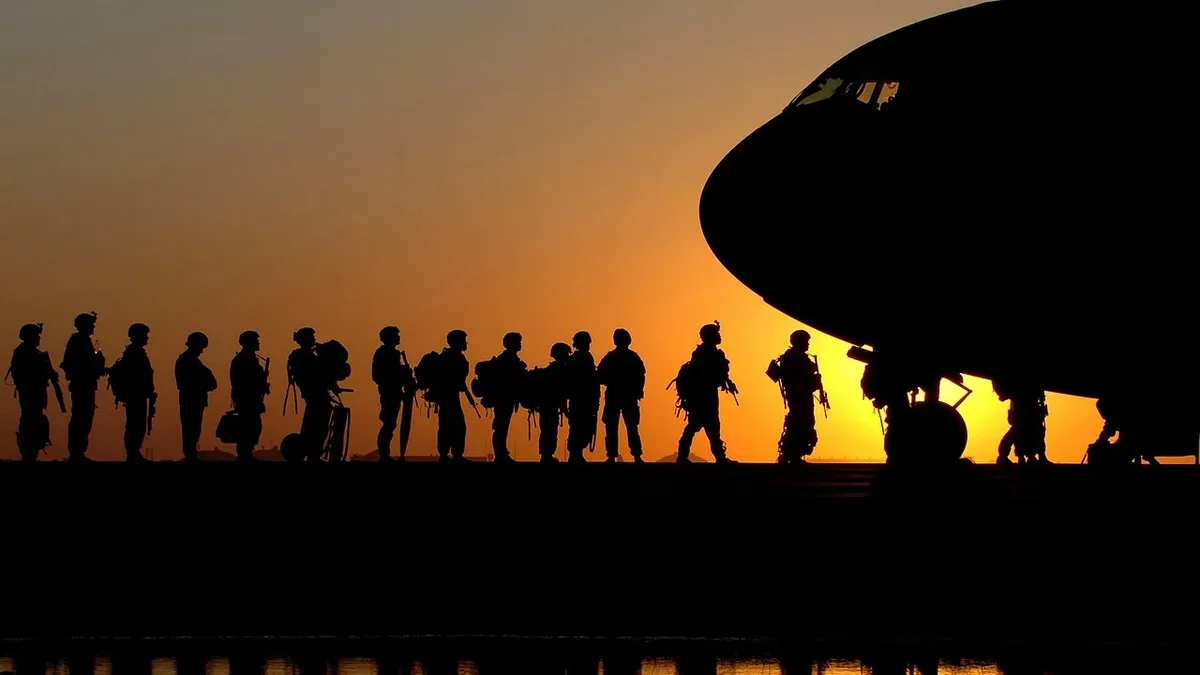
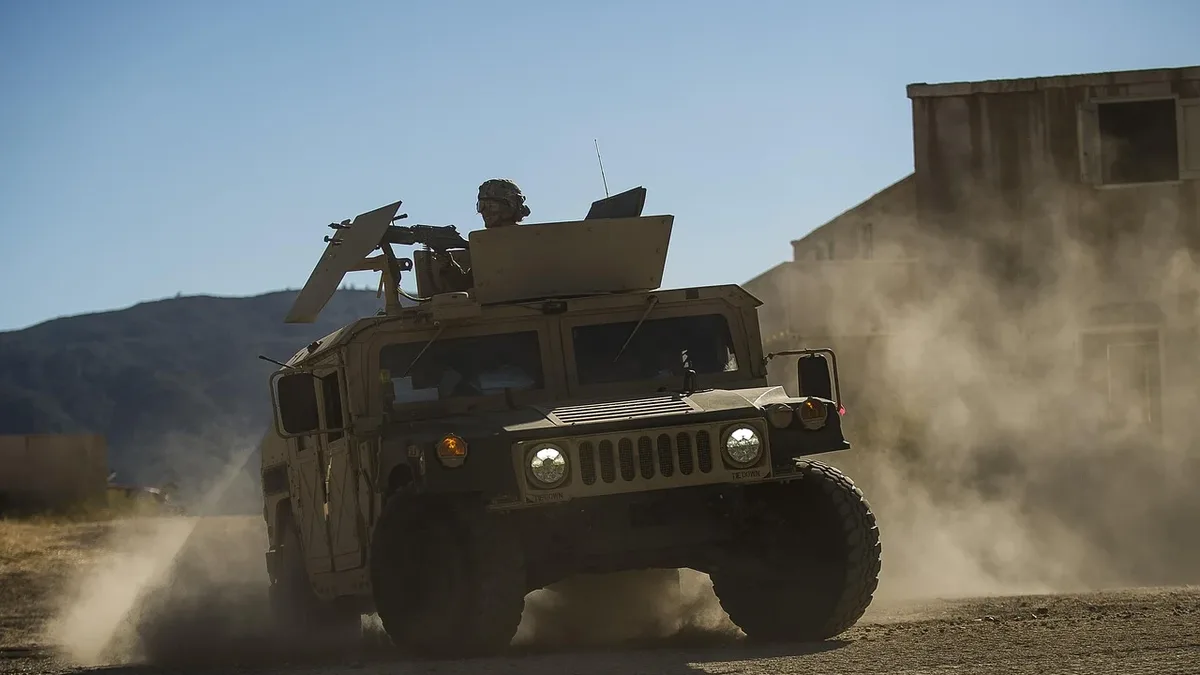
U.S. forces have formally withdrawn from Iraq, ending a two-decade military presence that began with the 2003 invasion. The withdrawal was completed on September 30, the second time U.S. forces have left Iraq following an initial exit in 2011 after the invasion and occupation.
Rear Adm. Liam M. Hulin, head of the joint task force for Operation Inherent Resolve, announced the completion of the withdrawal from Irbil. The move concludes the U.S.-led multinational campaign against the Islamic State. The war, which began with the 2003 invasion to topple Saddam Hussein, resulted in nearly 4,500 U.S. Military deaths and over 115,000 Iraqi fatalities according to modest counts.
Iraq asserts sovereignty
Iraq declared 'Sovereignty Day' to celebrate the end of U.S. Occupation and the return of full sovereignty. Iraqi troops paraded in vehicles through Baghdad and Najaf to mark the pullout. The government stated the day commemorates "the end of U.S. Occupation."
Limited scale, symbolic end
The final withdrawal involved the departure of a few hundred soldiers, not a large-scale exit. These soldiers had returned to Iraq in 2014 at the invitation of the Iraqi government to support the fight against ISIS. Before the pullout, 2,500 U.S. Forces were stationed in the country this year. U.S. Officials emphasized the mission was not an occupation and did not challenge Iraqi sovereign control, arguing the anti-ISIS mission has been accomplished.
Framework for future cooperation
The 2008 Strategic Framework Agreement, signed by President George W. Bush and Prime Minister Nouri Al-Maliki, remains the policy foundation for U.S.-Iraq relations. It prioritizes non-military cooperation across multiple pillars.
Defense cooperation can continue without permanent bases using 'over the horizon' support, intelligence sharing, and temporary training missions. The Office of Military Assistance-Iraq will remain in the U.S. Embassy to facilitate this security cooperation. The division of labor between the Pentagon and State Department is seen as effective. The Iraqi government will not renew the 2008 Status of Forces Agreement, and there is no U.S. Public appetite for another 'forever war' in Iraq.
Security concerns persist
A Higher Military Commission evaluation confirmed Iraqi forces are capable of managing internal and external threats. The Iraqi military is one of the largest conventional forces in the region. Critics, however, warn of persistent risks. Iraqi security officials warn the U.S. Pullout risks giving new life to Islamic State fighters, who retain a sleeper cell network.
Hundreds of supporters of pro-Iranian Iraqi militia groups gathered in Baghdad to celebrate the pullout, chanting 'Death to America' and carrying portraits of Iranian leaders. Iran views the U.S. Pullout as a triumph for its 'axis of resistance' of allied armed groups across the region. Analysts argue a continued U.S. Footprint could fuel instability, as Iranian-backed factions view U.S. Troops as occupiers. A small U.S. Presence would also not resolve the Iraqi security forces' internal political and sectarian divisions.
Disarming militias is a key policy of Prime Minister Ali al-Zaidi's administration. Iraqi analyst Jassim al-Bahadli warned that 'security vacuums can be extremely dangerous' based on lessons from the past two decades. The withdrawal has caused mixed emotions, with happiness mixed with fear over a potential jihadi resurgence or confrontation with Iran-backed militias.
Iraqi Kurds feel particularly vulnerable under the new security order, with no air defense system in the Kurdistan region or Iraq as a whole. A shopkeeper in Sulaymaniyah recalled the 2011 withdrawal and feared pro-Iranian groups would act against them without the international coalition. Retired Iraqi Army General Mohammed al-Jubouri stated the most important question is whether Iraq’s security institutions have prepared a viable Plan B for the post-coalition phase.