IMF-World Bank Meetings in Bangkok Confront AI Growth and Debt
Financial leaders at the IMF-World Bank Annual Meetings in Bangkok are confronting rising inflation, AI-driven growth disparities, and geopolitical tensions, as optimistic IMF projections mask growing risks to global stability.
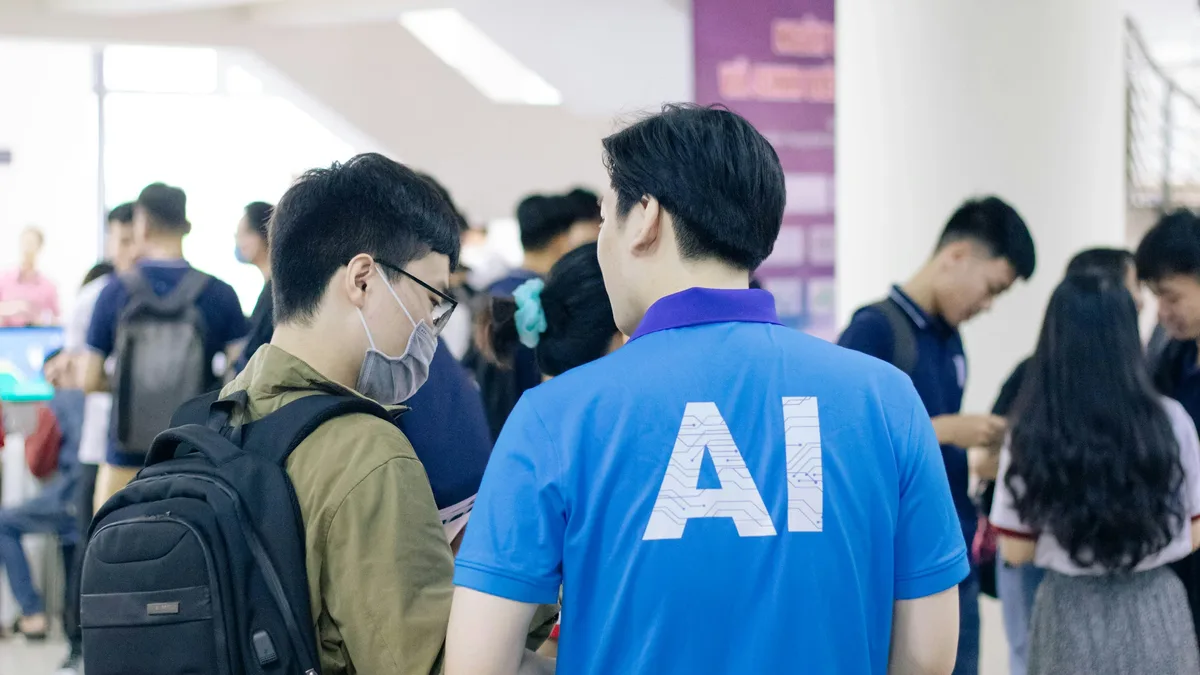
The IMF has raised its global growth forecast to 3.1 percent for 2026 and 3.4 percent for 2027, citing artificial intelligence and energy as drivers of a deeply divided global economy. The meetings in Bangkok, involving over 15,000 participants from 191 countries, opened on October 12, 2026, and will run through October 18, focusing on growth outlook, financial stability, and poverty reduction.
AI and energy are creating a sharp bifurcation in global prospects. High-tech investment ecosystems and energy exporters outside the Middle East conflict zone are experiencing stronger growth. Energy importers not integrated into high-tech supply chains, particularly low-income countries, face lackluster performance. The IMF’s World Economic Outlook, released during the meetings, now projects inflation at 4.7 percent in 2026 and 4.1 percent in 2027, upward revisions of 0.2 percentage points for each year.
Debt and inflation pressures mount across advanced and emerging economies
Global debt levels are nearing 100 percent of global GDP, creating severe fiscal strain. The burden is unevenly distributed. G7 nations carry public debt reaching 124 percent of GDP on average. Emerging market and developing economies have debt averaging 77 percent of GDP. Many low-income countries are already in debt distress. Higher defense spending, driven by global conflicts, is exacerbating these fiscal challenges amid rising public debt and interest payments. Monetary policymakers are being urged to remain ready to act to control inflation.
AI’s dual role as growth catalyst and labor market disruptor
IMF Managing Director Kristalina Georgieva framed AI as a 'slow-moving tsunami' with profound consequences. She stressed the need for strong investment in AI infrastructure, which is already delivering a 'demand shock, an investment shock' for many Asian economies that supply hardware. This shock could boost growth in advanced Asian economies by half to one full percentage point, and in emerging Asian economies by 0.2 to 0.8 percentage points. Georgieva said this shift into higher gear is what is keeping the world economy growing at around 3% despite the energy supply shock. However, the IMF estimates AI could lead to 40 percent of jobs being augmented, downgraded, or eliminated over time, affecting government revenue through a shift from labor to capital.
Global energy tensions and Russia’s diesel deal complicate economic outlook
The meetings are occurring under the shadow of an expanding war in the Middle East and a widening energy crisis. Concurrently, a diesel deal involving Russia, announced by US President Donald Trump, introduces new complications. The deal promises US imports of 300,000 metric tons of diesel now, 500,000 in November, and 1 million in December. The US Treasury temporarily lifted sanctions on these imports until April. The 2022 Ending Importation of Russian Oil Act, however, bans such imports unless Congress approves or Russia meets requirements on Ukraine’s territorial integrity.
Kyiv was not informed of the energy truce before Trump's announcement. Ukraine’s Finance Minister Serhiy Marchenko stayed in Kyiv to progress on benchmark reforms for EU and IMF funding. A Ukrainian official stated the country would stick to the truce if Russia stops targeting its energy infrastructure, after several cities faced power cuts. Ukrainian strikes have reportedly left one of Russia’s six main diesel-exporting refineries out of service and two operating at 25 percent capacity. The Atlantic Council’s GeoEconomics Center calculated the proposed export increase could generate an additional $4.7 billion for Russia by year-end, as the country's fiscal deficit has reached $62 billion. Russian Finance Minister Anton Siluanov is attending the meetings in Bangkok.
Meetings convene global finance leaders to address stability and policy coordination
Central bank governors and finance ministers are discussing the new geoeconomics of the Bretton Woods system. The plenary session features World Bank Group President Ajay Banga, IMF Managing Director Kristalina Georgieva, and Annual Meetings Chairman Carlos Carvallo Spalding. A featured event, How Small AI Creates Jobs Where It Matters Most, explores how affordable AI can deliver tangible benefits. The WEO recommends countries rebuild fiscal buffers by enhancing revenue and rationalizing spending. It contains 274 mentions of inflation, 145 for growth, and 115 for debt. Only thirty-two economies now account for 95 percent of global growth, down from fifty-four in April, indicating increased concentration. AI and high-tech activities are also increasing concentration risk in equity markets.
Bank of England’s Megan Greene commented on shifting consumer behavior. "Consumers are reacting differently to sustained inflation," she said. Three broader shocks are pushing up long-term interest rates and threatening the stock market. Georgieva said AI’s investment and demand shock is what is keeping the world economy growing at around 3% despite the energy supply shock.