Mecca Defense Pact's Credibility Hinges on Military
The Mecca Joint Defense Agreement between Saudi Arabia, Turkey, and Pakistan establishes a collective defense commitment but lacks the military
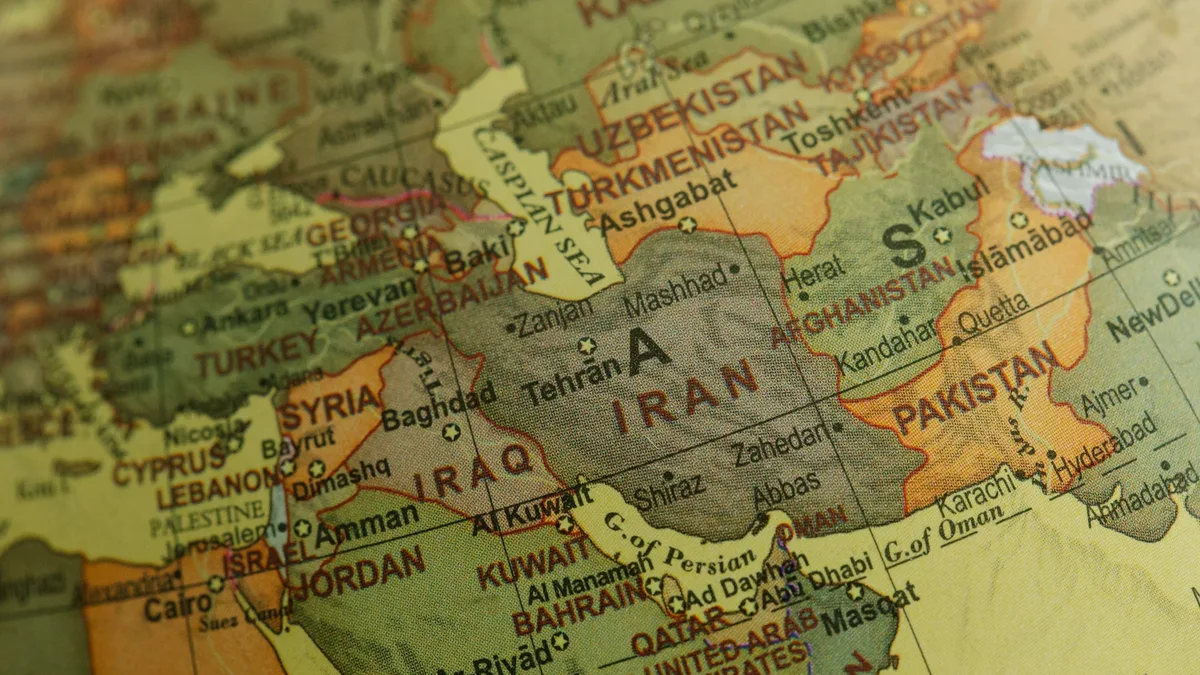
Saudi Arabia, Turkey, and Pakistan signed the Mecca Joint Defense Agreement on August 7, establishing a mutual defense pact where an attack on one member is treated as an attack on all. The agreement's ability to deter adversaries or manage escalation remains uncertain due to a lack of established mechanisms for military coordination and crisis consultation.
According to an analysis published by War on the Rocks, the pact's strategic significance depends less on its political declaration and more on whether its members can translate solidarity into credible, coordinated capabilities. The analysis warns that without such integration, the agreement risks overpromising while underdelivering, potentially weakening deterrence and complicating crisis management with rivals like Israel and Iran.
Shifting Regional Dynamics and Signatory Motivations
Perceived U.S. Reluctance and growing doubts about the reliability of the American security umbrella have contributed to regional uncertainty, driving the pact's emergence. Attacks on critical oil infrastructure and expanding operations by external actors have intensified regional anxiety. The agreement builds on a foundation laid by the Strategic Mutual Defense Agreement signed between Saudi Arabia and Pakistan in September 2025, which was later expanded to include Turkey.
Each signatory has distinct strategic motivations. Saudi Arabia seeks greater regional use and enhanced deterrence to protect its economic transformation and national infrastructure. Turkey aims to manage regional spillover and align its industrial and military capabilities with its partners. Nuclear-armed Pakistan seeks to use its conventional military as a strategic asset while deepening economic and defense ties in the Middle East.
The Five Pillars of Deterrence
The analysis evaluates the pact's potential through five interrelated pillars: the credibility of mutual commitments, operational integration, strategic autonomy, strategic ambiguity, and escalation management. The evolution of these factors will determine if the agreement becomes a meaningful instrument of collective deterrence. A strong political commitment without military coordination may offer only symbolic reassurance, while deeper integration, though strengthening deterrence, could create new escalation risks.
The posture for strategic ambiguity and escalation management is identified as posing visibly high risks for regional stability. The analysis states, "ambiguity without credible capabilities and demonstrated resolve can easily lead to open challenges by adversaries and escalation."
Complementary Capabilities and Divergent Priorities
The three members possess complementary military capabilities that, if integrated, could make collective retaliation more credible. Saudi Arabia contributes financial resources, advanced Western air and missile defenses, and strategic depth. Turkey offers a growing indigenous defense industry, advanced drones, and NATO experience. Pakistan contributes a large, experienced military and a nuclear arsenal.
The principal risk lies in divergent threat perceptions and strategic priorities. Riyadh is focused on Gulf security, Ankara's interests span from Syria to the Caucasus, and Islamabad remains heavily focused on competition with India. These differences may lead adversaries to question whether all members would incur the costs to defend one another.
The Credibility Gap in Early Tests
The pact's credibility may already be facing an early test. Following the signing, Houthi forces intensified attacks against Saudi strategic targets, and Israeli forces struck a Syrian military facility near the Turkish border shortly after Turkish officials had visited the area. The absence of a coordinated military response from the three partners, beyond diplomatic condemnations, illustrates the gap between political solidarity and operational deterrence.
Developing a joint all-domain defense network is cited as essential for credible deterrence. This would require an integrated air, missile, and maritime defense architecture supported by shared early warning, intelligence, surveillance, and reconnaissance, along with coordinated cyber cooperation and sophisticated joint exercises. The expanding defense-industrial ties, particularly under the 2025 Pakistan-Saudi framework for technology transfer and a joint defense-industrial base, provide a potential foundation for such integration.