Vietnam's Economic Model Faces New Challenges Amid US-China
Vietnam's export-driven growth, powered by foreign investment, is creating vulnerabilities as domestic firms capture little value.
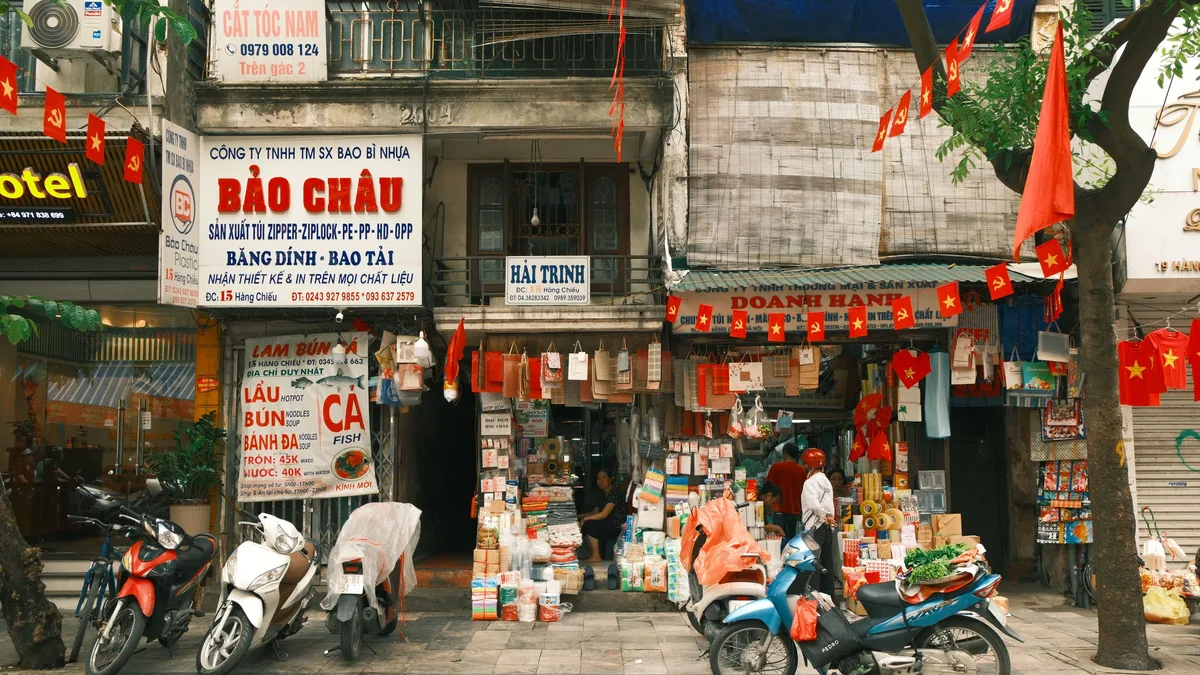
Vietnam's economy grew nearly fivefold since 2000, transforming into a major manufacturing hub with $475 billion in merchandise exports for 2025. However, a report from the Atlantic Council argues this success now presents a critical challenge: too much economic value remains with foreign firms, leaving domestic companies behind.
Foreign-invested enterprises accounted for 77 percent of Vietnam's merchandise exports in 2025. Exports from these firms surged 26.1 percent, while exports from domestic Vietnamese firms fell by 6.1 percent. The World Bank estimates productivity in domestic private firms is only about one-fifth of that in foreign-invested companies.
The Productivity Imperative
Hanoi's primary challenge is no longer attracting foreign direct investment, which hit a record $27.6 billion in disbursements for 2025. The new goal is leveraging that investment to boost domestic productivity. This shift is essential for Vietnam's ambition to become a high-income economy by 2045. An aging population adds urgency, as future growth must come from raising output per worker rather than expanding the labor force.
Caught Between Major Powers
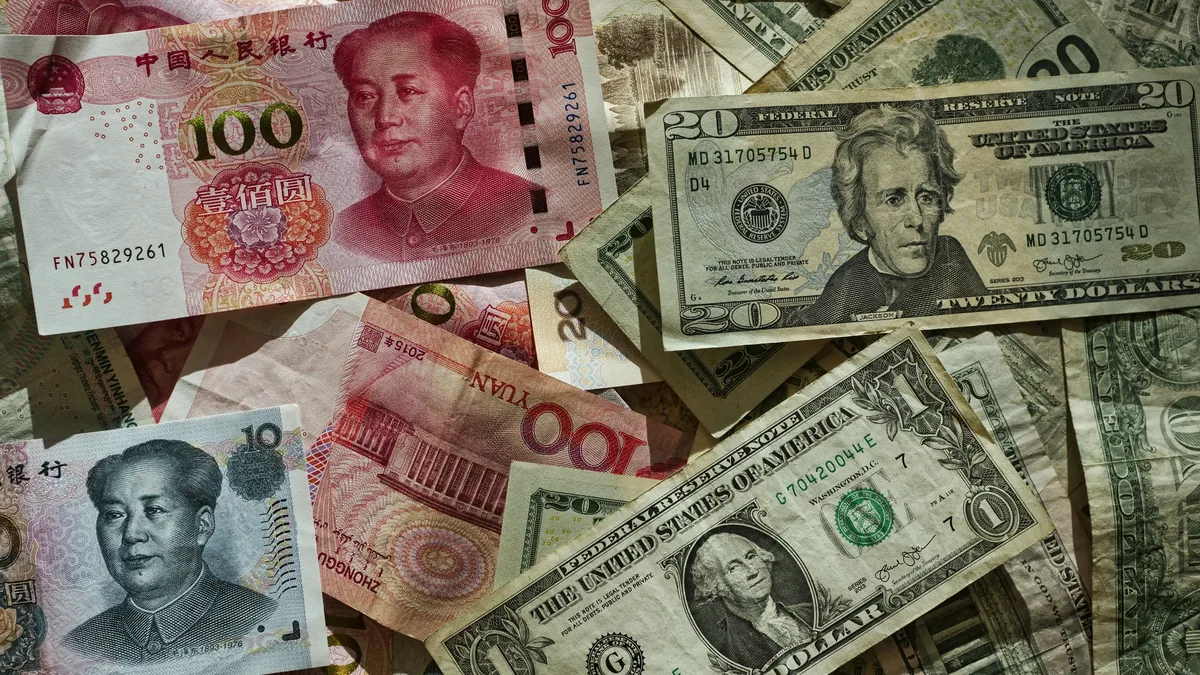
Vietnam has benefited from global supply chain restructuring since US-China trade tensions escalated in 2018, becoming a key "China plus one" destination. This position creates deep economic ties to both giants. China was Vietnam's largest source of imports in 2025, supplying $186 billion in machinery and components. The United States was the largest export market, buying $153.2 billion in goods-roughly one-third of total exports.
The International Monetary Fund estimates the value added in exports destined for the US was equivalent to 10 percent of Vietnam's GDP, one of the highest exposures in Asia. This intermediary role grows complicated as US trade policy increasingly scrutinizes a product's Chinese content, not only its final assembly location.
Strategic Sectors for Growth
The report identifies several areas where Vietnam can capture more value and diversify its economy. Moving beyond simple assembly in electronics into semiconductor packaging, testing, and design is a priority. Strengthening domestic suppliers to connect with multinational corporations already in Vietnam is seen as having a major economic payoff.
Developing the digital economy, including software and artificial intelligence, is another opportunity, contingent on building digital infrastructure and a skilled workforce. Finally, expanding green energy is critical for competitive, decarbonizing supply chains and energy security, as Vietnam now imports over one-third of its energy needs.
Handling a Shifting Global Landscape
These priorities will be relevant at the 2026 IMF-World Bank Annual Meetings in Bangkok, where Hanoi can seek partnerships and investment. Vietnam's trade balance deteriorated sharply in the first half of 2026, showing an estimated $15 billion deficit compared to a $7.6 billion surplus the previous year. Surging fuel prices amid the Iran war were a primary driver.
The Atlantic Council report states the global environment that enabled Vietnam's rise is changing. Strategic competition, tariffs, and fragmented supply chains mean the country can no longer rely indefinitely on being an alternative to China. The next stage requires turning foreign investment into technology transfer and exports into greater domestic value added, all while maintaining ties with both the US and China and deepening relationships with other markets like the EU.