South Korea Refuses Military Deployment to Strait of Hormuz
President Lee Jae-myung rules out sending troops to support the U.S. War against Iran, citing high risks and domestic opposition, despite sustained pressure from the Trump administration.
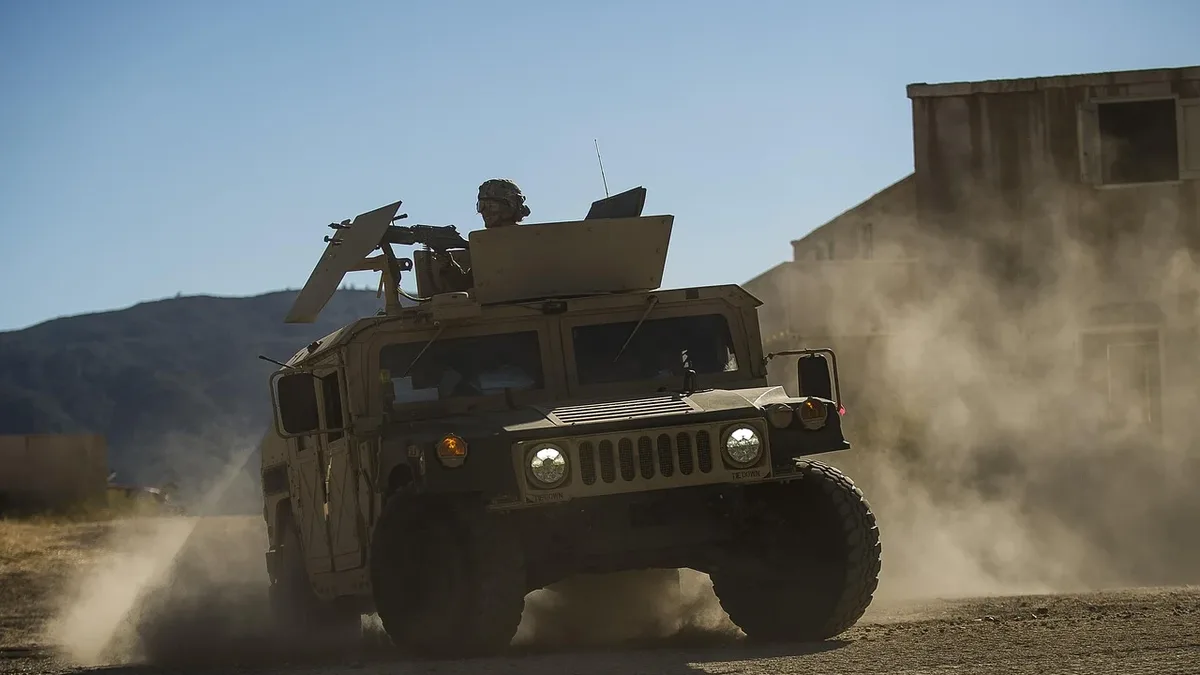
South Korean President Lee Jae-myung has ruled out sending troops or military assets to the Strait of Hormuz in a way that would involve South Korea in the U.S. War against Iran. He made the definitive statement at a news conference on Friday, September 18, declaring there would be no deployment that would involve or enter the war.
Context and Pressure
The refusal comes amid sustained pressure from the United States. Washington has pressed allies in Europe and Asia to 'step up' with military aid to help reopen the strategic waterway. South Korea has been a major target of this pressure. President Donald Trump has personally criticized Seoul for what he sees as insufficient support for the Iran war. This pressure has been accompanied by alliance friction, including Trump's decision to scale back major joint military drills with South Korean forces this summer, a move that unsettled the U.S. Ally. Most other U.S. Allies have also remained reluctant to provide direct support, with any assistance largely indirect, such as permitting limited base access.
Domestic and Strategic Concerns
Analysts and officials in Seoul see the potential deployment as a dangerous gamble with few benefits. The risks of becoming entangled in a geographically expanding war are high and real. Once forces enter an active war zone, the line between support and participation blurs. South Korea sending assistance is unlikely to change the course of the war or the strategic balance in the Strait of Hormuz. The idea is also deeply unpopular at home. A recent survey showed 52% of the public opposes deployments to the Strait of Hormuz. Opposition is even stronger within the ruling Minjoo Party's base, where 69% are against it. From a strategic standpoint, the upsides are uncertain at best.
Historical Comparison and Alliance Dynamics
The situation invites comparison to 2004, when South Korea deployed troops to support the U.S. War in Iraq under President Roh Moo-hyun. That deployment, focused on medical and engineering support, proceeded despite public opposition that drove Roh's approval rating down to 25%. Seoul saw it as an investment in alliance trust, hoping to leverage it to influence Washington's hawkish policy toward North Korea toward diplomacy. Today's circumstances are fundamentally different. Iran possesses a serious ability to impose costs in the Strait and beyond, and South Korea has long-term economic and energy security interests in avoiding an adversarial relationship with Tehran. Crucially, alliance dynamics have shifted. In 2004, Seoul dealt with a predictable, conventional U.S. Administration. Today, it faces Trump, who views allies as free riders and makes unilateral announcements on alliance issues without consultation. This unpredictability weakens Seoul's confidence that military support could be leveraged to influence U.S. Policy on North Korea. Lee Jae-myung showed the need for a fundamental U.S. Policy shift, stating, "Pyongyang will likely continue to reject dialogue unless it sees fundamental reductions of hostility in the U.S."
Alternative Approach and Diplomacy
President Lee left open a narrower alternative. He said South Korea is reviewing whether to expand the role of its existing anti-piracy naval unit in the Middle East to better protect South Korean shipping, oil shipments, and citizens. He emphasized the country must do the minimum to safeguard navigation as other nations do. On the parallel diplomatic track with North Korea, Lee noted Trump's interest in talks with Kim Jong-un, suggesting a meeting could be possible in the coming months. He said coordination is ongoing to make dialogue possible, though North Korean state media has remained silent on Trump's repeated calls for a summit. Lee Jae-myung said he is reviewing whether to play a greater role in safeguarding navigation in the region.