WHO Warns of Deepening Health Crisis in Darfur
The World Health Organization warns of a severe health emergency in Sudan's Darfur region, where over 700,000 displaced people face critical shortages of care, food, and water amid a massive funding shortfall.
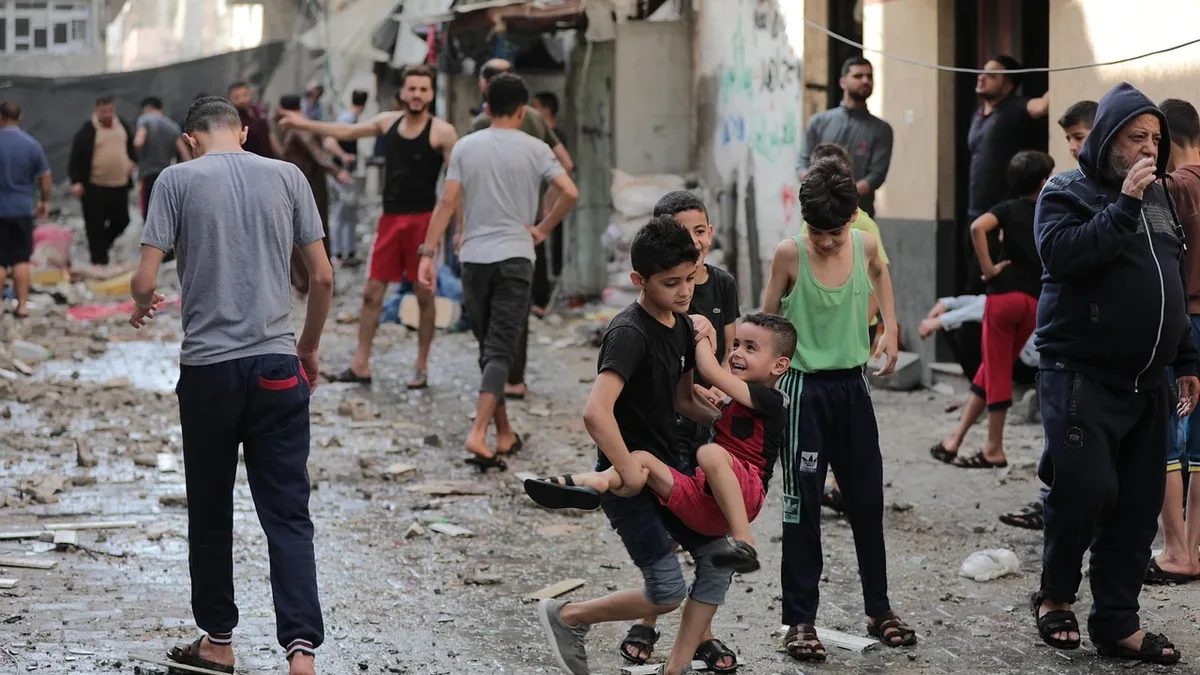
The World Health Organization warns of a deepening health crisis in Sudan's Darfur region amid a severe funding shortage and ongoing conflict in September 2026. More than 700,000 displaced people in Tawila face severe gaps in healthcare, food, water, sanitation, and protection services.
Rising malnutrition is a major concern at local health facilities. Access to mental health and psychosocial support is severely limited, with shortages of critical medicines. Supplies for HIV, tuberculosis, neglected tropical diseases, and other lifesaving interventions are running dangerously low.
WHO assessment reveals systemic gaps
Dr. Abdinasir Abubakar, the WHO Sudan Representative, confirmed the deteriorating situation after a 10-day mission across Darfur in September. He visited hospitals, primary healthcare facilities, warehouses, and laboratories in West, South, Central, and North Darfur.
Dr. Abdinasir Abubakar said: "I have witnessed the immense scale of health and humanitarian needs in Tawila and other parts of Darfur". Health workers operate under extremely difficult conditions with shortages of medicines, supplies, infrastructure, and personnel. The scale of health needs continues to outpace the capacity of the response.
WHO is supporting disease surveillance and outbreak response, coordinating the Health Cluster, and strengthening primary and secondary healthcare. The organization is also providing nutrition and vaccination services and delivering medical supplies.
Funding shortfall hampers response
A critical funding gap is crippling the health response. WHO requires $97.7 million for its 2026 health emergency response in Sudan but has received only $22 million. This leaves a funding gap of about $75 million.
| Item | Figure |
|---|---|
| WHO 2026 Humanitarian Appeal | $97.7 million |
| Amount Funded | $22 million (23%) |
| Funding Gap | ~$75 million |
WHO says it is ready to scale up operations in Darfur, Kordofan, and other conflict-affected areas. The situation is expected to deteriorate further due to poor rainfall, crop failures, and the projected impact of a strong El Niño event deepening food insecurity. The organization calls on donors, partners, and stakeholders to sustain and increase support.
Refugees protest aid cuts in Chad
The crisis is spilling across borders. Hundreds of Sudanese refugees left the new Maji camp in eastern Chad on foot and by donkey, heading for the border town of Adré. They were protesting their removal from humanitarian aid lists following a recent assessment conducted by the UN Refugee Agency and Chadian authorities.
Refugees from Maji arrived exhausted at the nearby Ibtanqi camp, with most being women and children. Elsewhere in eastern Chad, displaced people at Deqi camp, which hosts more than 25,000 refugees, report severe food shortages. Distributions have been suspended for about three months. One displaced woman said aid stopped after the departure of the International Medical Corps, leaving some families unable to prepare food for more than 10 days. Ten families recently left the camp on foot hoping to reach the city of Abéché.
Sanctions renewed amid stalled diplomacy
Diplomatic action remains limited. The UN Security Council unanimously renewed its Sudan sanctions regime for two months until 11 December. This technical rollover, drafted by the United States, leaves the existing targeted sanctions and arms embargo unchanged. The mandate of the panel of experts monitoring the sanctions now runs to 11 January 2027.
The renewal follows a failed effort by Washington to extend the embargo to the whole of Sudan and all parties to the current war. That proposal, which also aimed to tackle drones and dual-use technology, failed to win consensus. Around half of the council’s membership reportedly preferred a one-year renewal confined only to Darfur, where the sanctions regime originated in 2004.
The war between the Sudanese army and the paramilitary Rapid Support Forces continues to take a heavy toll. Diplomatic efforts remain stuck on a US-backed 90-day ceasefire proposal that the army has resisted. Independent investigators have warned that outside support is sustaining the military capabilities of both sides. Darfur itself hosts an estimated 5.6 million displaced people, representing about 65 percent of all internally displaced people in Sudan.