US Sanctions International Criminal Court, UN Condemns Move
The United States has imposed sanctions on the International Criminal Court as an institution, a move UN Secretary-General António Guterres condemned as a serious blow to international justice.
The United States has levied sanctions against the International Criminal Court as an institution. Secretary of State Marco Rubio announced the measures on Friday, stating they were intended to defend US sovereignty and target a court he accused of seeking to prosecute Americans. The sanctions include a ban on US entities making transactions with the ICC, which the US intends to cripple the court's ability to operate financially. This move sanctions the ICC as an institution, following prior US sanctions against 17 of its judges and officials.
Global condemnation and defence of ICC
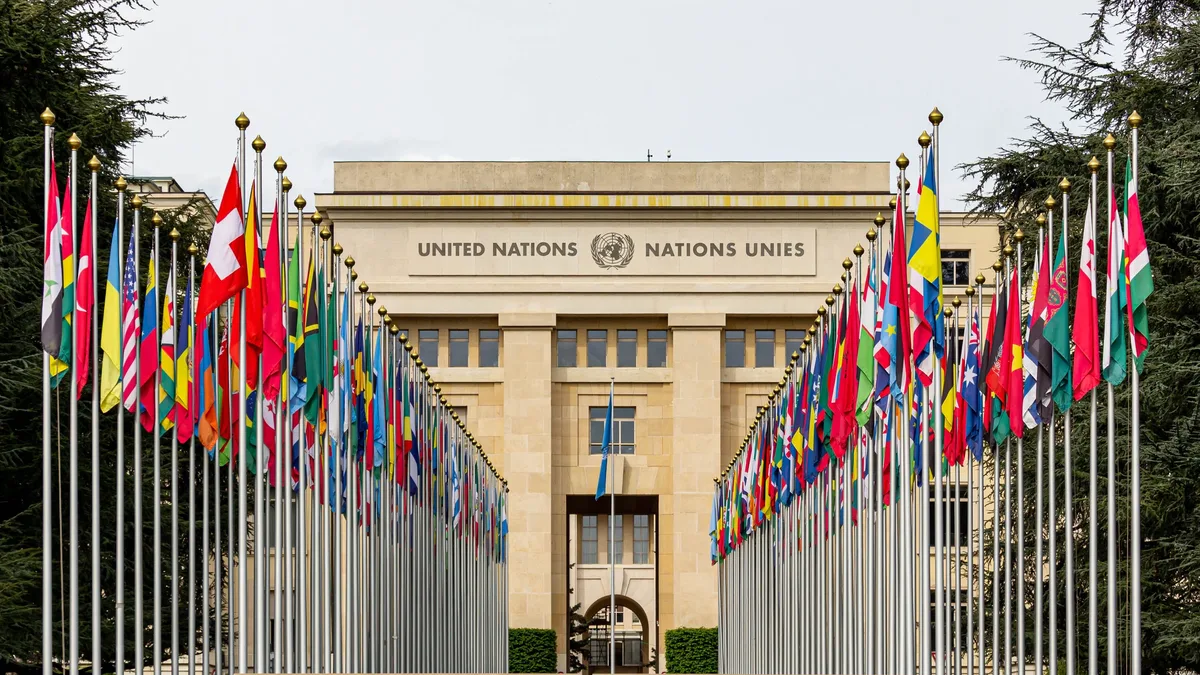
UN Secretary-General António Guterres strongly condemned the US sanctions. His spokesperson, Stéphane Dujarric, said Guterres was deeply alarmed by the expected impact on the court's ability to carry out its mandate. The Secretary-General called the sanctions "a serious blow to our collective pursuit of international criminal justice, of which the ICC is a key pillar". He reiterated unwavering support for the court's independence and called on all states to uphold their commitments under international law.
Independent UN human rights experts warned the sanctions were a brash attempt to dismantle the international legal system for holding perpetrators of grave crimes to account. They stated the attack directly injures victims of atrocities and their advocates. A coalition of allied nations, including the UK, Canada, Germany, France, and Japan, also expressed strong disagreement with the US decision. They reaffirmed their continued and unwavering support for the ICC and its staff.
ICC responds and warns of operational impact
The International Criminal Court denounced the sanctions as an assault on the rule of law and the foundations of the international legal order. It stated the measures are aimed at disrupting its operations and intimidating those who work for or cooperate with the court. ICC President Tomoko Akane said the court will continue to fully discharge its mandate with independence and impartiality. The ICC acknowledged it cannot stand alone, adding that its fate now rests also in the hands of the states that created it.
Secretary of State Marco Rubio framed the action as a definitive stance. He vowed to dismantle the ICC unless it ends what Washington regards as a threat. Rubio said the door to diplomacy remained open but warned, "Either the ICC will end its threats, or we will end the ICC". He called on US allies that are ICC signatories to rein in the court.
Context and consequences of the sanctions
The US action is linked to longstanding anger over ICC investigations. The US is furious over a past probe into US soldiers in Afghanistan and, more recently, over ICC arrest warrants for Israeli officials, including Prime Minister Benjamin Netanyahu. Netanyahu welcomed the sanctions, calling the ICC a political body. The US provided a six-month grace period before some sanctions take effect, during which member states can continue funding ICC operations. The US says this allows time to negotiate a solution.
The court was founded in 2002 to prosecute war crimes, crimes against humanity, and genocide. Major powers including the US, Russia, China, and India are not member states. The sanctions will stop US companies from providing goods or services like banking or software to the ICC. Dutch Foreign Minister Tom Berendsen said the sanctions would seriously affect the ICC’s ability to function. The Netherlands hosts the court in The Hague.
UN’s ongoing relationship with ICC
Despite the US action, the United Nations remains bound by a relationship agreement to cooperate with the ICC. The agreement was approved by the General Assembly on 13 September 2004. The UN confirmed its commitment to this cooperation framework. The ICC stated it cannot stand alone and said its fate now rests also in the hands of the states that created it.