Saudi pipeline attack and Houthi moves spike
Attacks on Saudi oil infrastructure and Houthi control of a Yemeni port are disrupting global oil supplies, pushing prices toward six-month highs and

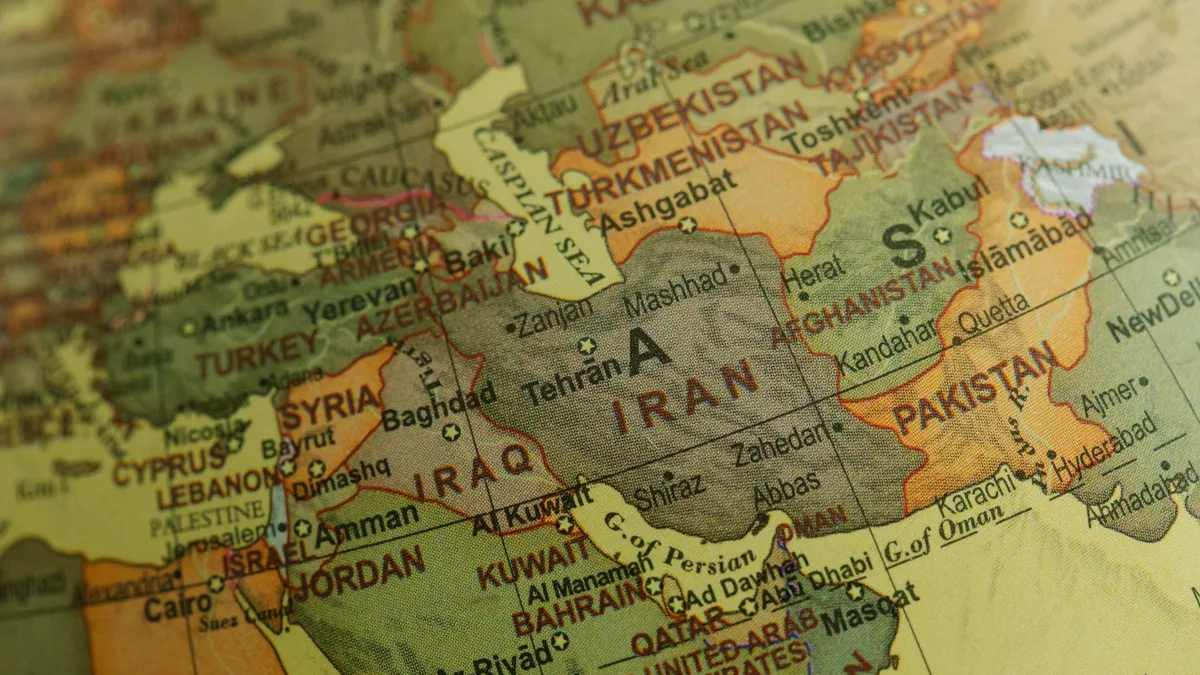
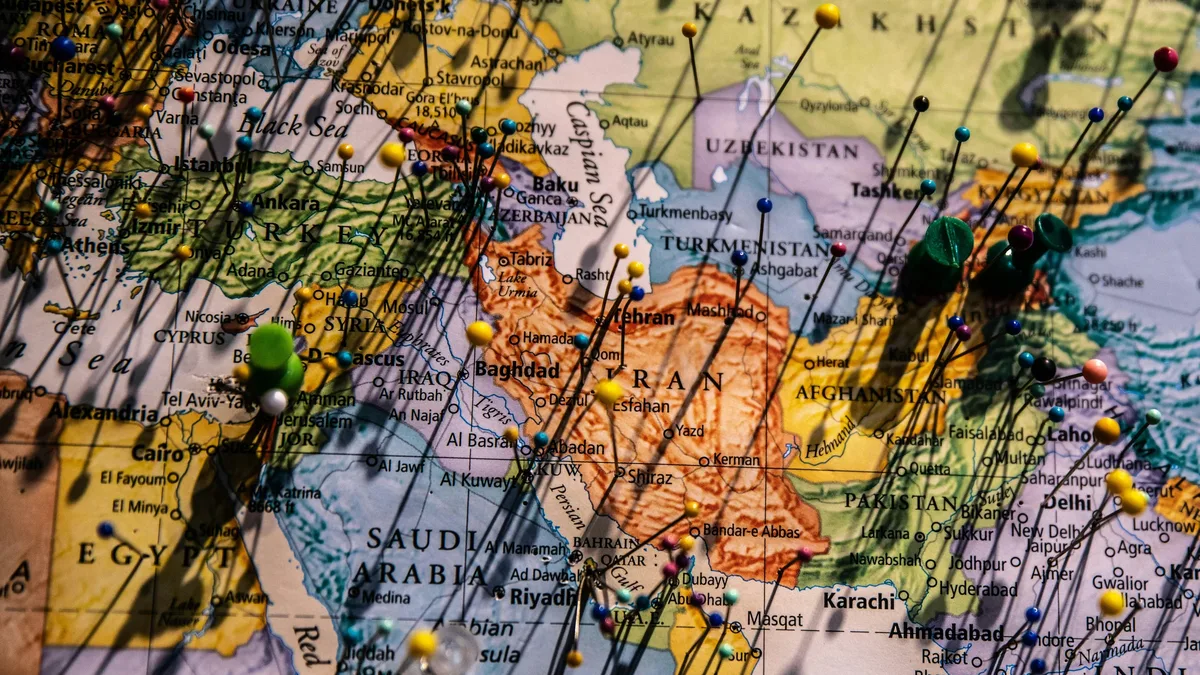
Saudi Arabia has delayed multiple crude shipments to European refiners for September following a drone attack on its East-West pipeline. The attack, which Riyadh blamed on drones from Iraq, damaged a conduit transporting an estimated 4-5 million barrels daily.
This disruption coincides with Houthi rebels taking control of the port of Mokha in Yemen and offshore islands in the Bab al-Mandeb, providing a new platform to harass Red Sea shipping. Combined, these events have spooked oil markets that had been somewhat reassured by a partial restoration of flows through the Strait of Hormuz. Benchmark Brent crude oil is now trading above $105 per barrel, up from $80 as recently as August 4.
Market vulnerabilities and global impact
The market faces these new shocks with diminished buffers. Seaborne storage on tankers has been depleted, and the U.S. Strategic Petroleum Reserve has released about 130 million barrels. Meanwhile, China, the world's largest oil importer, is increasing its imports to 7.2 million barrels per day.
The price impact on refined products has been stark, with diesel in America hitting all-time highs above $6 per gallon. Ben Cahill, a nonresident fellow at the Atlantic Council, estimated that seaborne refined product exports from Russia and the Middle East have fallen from roughly 8 million to 4 million barrels daily since February 2026.
Political friction in Washington
The diesel price spike has sparked disagreements in the U.S. Ahead of midterm elections. Senate Majority Leader John Thune has suggested openness to a ban on diesel exports, though critics warn this could lower U.S. Refinery usage and push up gasoline prices. Energy Secretary Chris Wright appears focused on supply measures, but U.S. Refineries are already running at 98% capacity. American farmers are complaining bitterly about the increase, with some reporting daily cost increases of up to $1,000.
Disproportionate strain on the Global South
While Washington debates the economic fallout, the brunt of the impact is being felt in the Global South. Malaysian Prime Minister Anwar Ibrahim, speaking at a BRICS summit, blamed the "initial aggression of the United States, initially of course with Israel," for the conflict.
Disruptions in the Strait of Hormuz have shifted fuel supply routes for Asian nations. According to the source, India now reportedly receives 51% of its oil from Red Sea ports in Saudi Arabia, with the Philippines at 37% and Pakistan at 36%.
The diesel price surge is particularly damaging for poorer nations, where it powers essential transport and agriculture. India, the world's third-largest oil importer, consumes twice as much diesel as gasoline. In South Africa, diesel usage has overtaken gasoline due to unreliable railways and frequent power failures driving demand for private generators.
Broader economic and food security threats
The conflict is also impacting fertilizer prices globally. While disrupted urea supplies were offset by increased production in Egypt and Nigeria, phosphate prices remain high. Michael Werz of the Council on Foreign Relations notes that production depends on sulfur from the Gulf, and high prices could lead farmers to skimp on phosphate for a second season, potentially exacerbating food shortages in 2027.
This comes ahead of a potential record El Nino weather phenomenon. The World Food Program projected in early August that almost 50 million more people could be pushed into acute hunger as a result. The resurgence of Gulf conflict shows the war's widespread economic and human costs, raising questions about strategic aims as destabilizing effects reverberate globally.