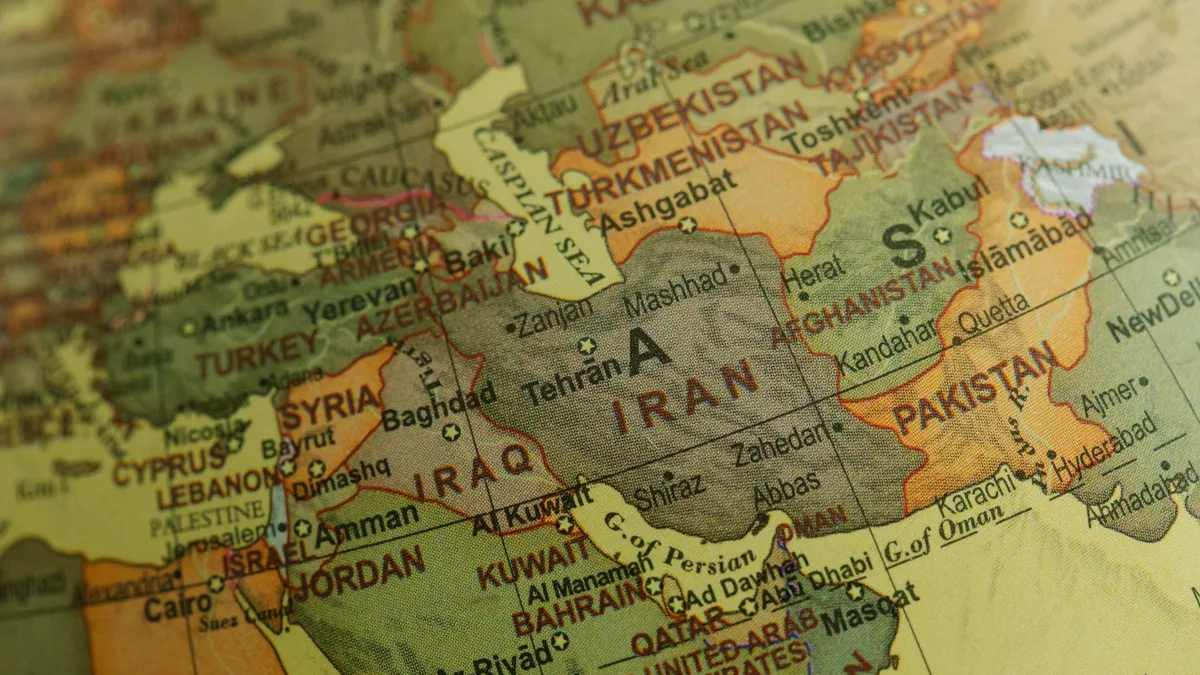
U.S. Iran strategy at impasse over Strait of Hormuz
U.S. Efforts to achieve its goals with Iran through sanctions and military strikes have failed, leading to two debated paths forward as Iran ties Strait of
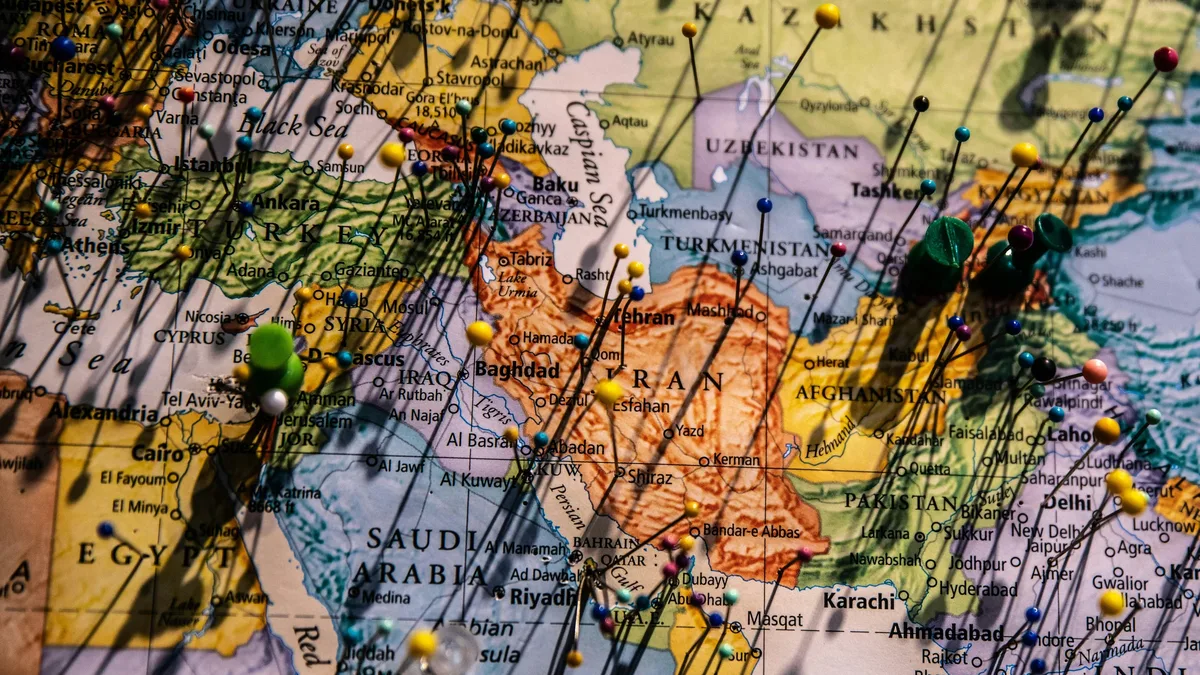
The United States has failed to achieve its four primary objectives in its conflict with Iran: regime change, dismantling long-range ballistic missiles, eliminating nuclear enrichment, and halting Tehran's support for regional proxies. Officials have cycled through strategies, including the recent Operation Economic Outcast, which tightened a long-standing sanctions regime without resolving the underlying dispute.
Facing a potential self-inflicted defeat, the U.S. Is now considering two new options. The first is to formalize a strategy of periodic, disproportionate kinetic strikes-referred to by officials as "mowing the lawn." To support this, the Pentagon has extended troop deployments in the Middle East through 2027.
The second option is for the U.S. To declare victory and withdraw. Former National Counterterrorism Center Director Joe Kent, who resigned in protest of the Iran War, supports this, arguing on X that the U.S. Should "reset the terms of the deal" by removing troops and ships from the region. This view is reportedly gaining traction.
Sanctions seen as ineffective
Political scientists have long doubted whether U.S. Economic pressure can shape political outcomes. Researcher David Siegel states sanctions "don't work," a point echoed by officials like Janet Yellen, who noted sanctions caused Iran a "real economic crisis" but produced political outcomes "much less than we would ideally like." Siegel argues targeted states can benefit domestically by blaming economic woes on a foreign power and can now turn to China for support.
The likelihood of economic pressure reopening the Strait of Hormuz is further reduced because Iran demands sanctions removal as a precondition, a move requiring a contentious Congressional vote.
Iran's demands complicate withdrawal
The main obstacle to a "declare victory and walk away" strategy is Iran's linkage of Strait of Hormuz navigation to U.S. Action against Israel. The U.S. Has shown unwillingness to pressure Israel. A June 17 agreement only required the U.S. To force an Israeli withdrawal from Lebanon, which Washington failed to do. Subsequent U.S. And Israeli actions have led Iran to expand its ceasefire demands to include conflicts in Iraq, Yemen, and Palestine.
Global doubts over U.S. Deal-making
Securing a deal is complicated by a global perception that the U.S., under President Trump, is incapable of making deals. A 2025 Politico survey of diplomats from 15 countries described Trump's process as "reactive, with no clear direction." The administration has failed to resolve the proxy war in Ukraine or reach a peace deal in Gaza.
A Danish shipping CEO told reporters the broader conflict is approaching a "Ukraine-style stalemate," with Gulf leadership preparing for a prolonged situation lasting months or years. The CEO added it is "a dream world" to imagine a return to the status of a decade ago.
The consequences are already impacting consumers, with Iran's control over the Strait pushing diesel prices to record highs. Averting economic catastrophe would require the U.S. To meet conditions it has so far refused to accept.