Trump-Xi Summit Extends Trade Truce, Leaves Taiwan Tensions
The second Trump-Xi summit of the year ended with a two-month extension of the October trade truce and mutual incentives for future meetings, but no public
The summit between U.S. President Donald Trump and Chinese President Xi Jinping concluded with a two-month extension of the trade truce agreed last October. More specific trade announcements are expected on Monday. The three-day meeting in Washington, a return visit following Trump's trip to Beijing in May, ended on Friday with no major public breakthroughs on contentious issues like Taiwan, arms sales, or AI safety.
Both leaders indicated that upcoming APEC and G20 meetings will happen. The two-month truce extension creates a strategic incentive for each leader to attend the other's upcoming summit, setting the stage for continued high-level diplomacy.
Reciprocal summit incentives and strategic timing
President Xi wants President Trump to attend the APEC summit in Shenzhen this November. In turn, President Trump wants Xi to attend the G20 meeting in Miami this December. The extension of the tariff truce, which originally lasted one year after being agreed in Busan, gives each leader a reason to coordinate diplomatically ahead of those gatherings. This pattern of back-to-back state visits in a short period is described as out of the norm in U.S.-China relations, framed as managing the relationship through regular leader-level engagements where both believe they are the only ones who can manage the other.
Unresolved tensions over Taiwan and arms sales
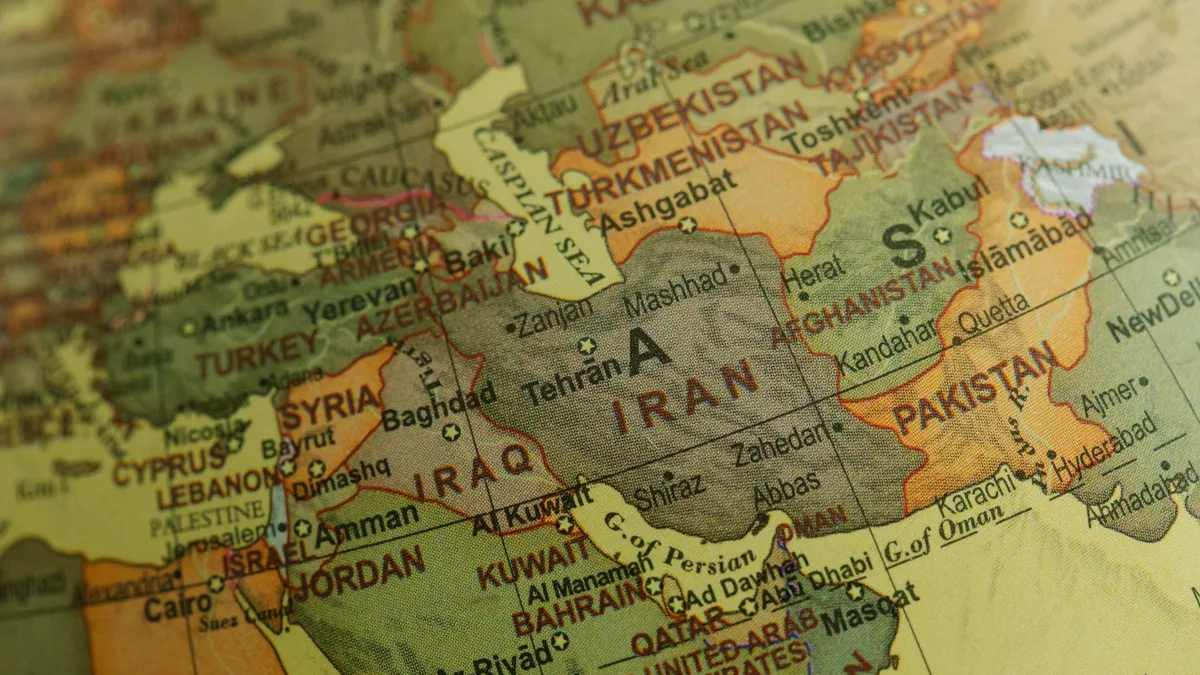
Despite Xi's direct push for a halt to U.S. Arms sales to Taiwan, no such public bargain emerged. Xi told Trump in Washington that he hoped the U.S. Would adhere to the 'correct position' of opposing Taiwan independence. Washington has not yet approved another major weapons package for Taiwan, a decision now hanging over the leaders' expected November meeting. In May, after meeting Xi in Beijing, Trump said he was holding a package of arms sales to Taiwan in abeyance. He made no public comments on Taiwan following the Washington summit.
Taiwan's government rejects Beijing's sovereignty claims. Deputy Foreign Minister Francois Wu stated that maintaining military sales, giving Taiwan sufficient defensive capability, and allowing its semiconductor industry to contribute globally are important U.S. Interests. Taiwan is the main producer of advanced semiconductors powering the AI revolution. The Trump administration approved an $11 billion arms sale to Taiwan in December, described as the largest ever at that time, with a second potential sale noted to be worth some $14 billion.
U.S. Ambassador to China David Perdue stated there had been no change in Trump's Taiwan policy, including adherence to the 1979 Taiwan Relations Act which mandates arms sales. On Saturday, China's People's Daily reiterated that Taiwan is 'the core of China's core interests and the first unbreakable red line in China-US relations'. Wu said Taiwan must pay close attention to potential delays in arms decisions ahead of the APEC and G20 summits, adding that while obtaining guarantees would be best, the maximum feasible action now is to prepare and communicate.
Broader strategic shifts and alliance concerns
Analysts warn the U.S. Is prioritizing bilateral engagement with China at the expense of allies. "In a G2 world, the US pushes aside one of its greatest assets-its allies-and stands toe to toe with China," said Josh Lipsky of the Atlantic Council. This shift is showed by Trump's significant cutback of last month's annual U.S.-South Korea military exercises, a move that drew no word of praise from Xi or China's state media, according to analyst Markus Garlauskas.
Melanie Hart, a former senior advisor for China at the U.S. State Department, noted, "President Trump appears to be seeking a grand bromance with President Xi." She added that the Chinese delegation is going home happy but doubts the broader relationship will warm, stating Xi Jinping does not do personal relationships with Americans. Lipsky added that the harder questions on trade, tariffs, and rare earths cannot be punted forever, with the expected truce extension involving limitations on new U.S. Tariffs in return for continued flow of rare earths and critical minerals.
Garlauskas cautioned that just because no Taiwan deal was mentioned publicly does not mean Taiwan will be unaffected by the summit. He will watch whether Washington approves the delayed arms package for Taipei. Secretary of State Marco Rubio suggested the delay may continue for reasons beyond mollifying Xi. Kenton Thibaut noted that meaningful progress on security will likely have to be built from the bottom up through technical exchanges and unofficial dialogues.
From Taipei, political science professor Wang Hung-jen said the summit outcome was better than expected, with Xi not directly raising arms sales and Taiwan not being the main focus. Many feared negative outcomes did not occur. Ambassador Perdue said the U.S. Wants peace across the strait, opposes coercion, does not support independence, and believes Xi has received this message, noting Trump showed respect and listened to China's position. Washington’s decision on whether to approve the delayed arms package for Taipei will be a key indicator of whether the summit’s tactical de-escalation translates into strategic stability.