Visa And Mobility Diplomacy
| Instrument | Name of the visa agreement or framework |
|---|---|
| Parties | The two sovereign states involved |
| Purpose | Primary diplomatic or strategic objective (e.g., talent attraction, cultural exchange, deterrence) |
| Key Provisions | Summary of main mobility terms (e.g., visa-free travel, quotas, streamlined processes) |
| Reciprocity | Whether the mobility terms are symmetrical or asymmetrical |
| Original use | Designed to facilitate or restrict the movement of specific categories of persons |
| First created | Year or decade the specific agreement was established |
Origin and history
Visa and Mobility Diplomacy originates from the practices of modern nation-states in the late 20th and early 21st centuries. It evolved as a distinct instrument of foreign policy alongside globalization and increased international human mobility. Its conceptual foundations are tied to the post-Cold War era, where travel regulations became a more flexible tool for statecraft. The practice is not attributed to a single country of origin but developed concurrently in various capitals as a response to interconnected global challenges. It represents a shift from viewing visas solely as bureaucratic border controls to leveraging them as active diplomatic levers. This approach became more systematically documented and studied by international relations scholars in the early 2000s.
What it is for
Visa and Mobility Diplomacy is an instrument for advancing a state's strategic interests through the calibrated management of cross-border human movement. It is used to reward allies and punish adversaries by easing or restricting travel access. A primary function is to foster economic and educational ties by facilitating the flow of students, skilled workers, and tourists. It serves as a tool for soft power projection, building long-term goodwill through cultural and academic exchanges. Conversely, it can be employed to exert pressure, signal disapproval, or enact sanctions against other governments through targeted travel bans. It also aims to address transnational issues like security, irregular migration, and public health through cooperative mobility frameworks.
Overview
Visa and Mobility Diplomacy operates at the intersection of a state's immigration policy and its foreign relations. The instrument encompasses a spectrum of agreements, from visa-waiver programs and simplified application processes to restrictive visa regimes and outright entry bans. It involves bilateral and multilateral negotiations that often link mobility to broader trade, security, or political agreements. The diplomatic aspect is evident in the reciprocal nature of many visa policies, where concessions by one state are met with equivalent concessions by another. This form of diplomacy is continuously active, as visa policies are regularly reviewed and adjusted in response to changing geopolitical landscapes. It is a tangible manifestation of a state's relationship with another, constantly communicated to citizens and the world through entry requirements.
What to know
A core principle is that visa policies are rarely unilateral in their strategic effects; they trigger reactions and shape bilateral dynamics. The technical implementation involves complex coordination between a country's foreign ministry, interior ministry, and border agencies. Mobility diplomacy often employs granular differentiation, such as offering expedited visas for business elites while maintaining general restrictions. Long-term visa liberalization processes typically require partners to meet strict benchmarks on document security, border management, and asylum cooperation. The instrument is highly visible to the public, making changes in visa policy a clear political signal that can affect popular perceptions of another country. Understanding this relationship requires analyzing not just the formal agreement but also the consistency and fairness of its day-to-day application by consular officers.
Common questions
How does a visa-waiver program differ from a strategic mobility partnership? A waiver is a unilateral removal of visa requirements, often reciprocal, while a partnership involves deeper, structured cooperation on various forms of movement. Can visa diplomacy be effective against powerful states? It is often more symbolic when used against major powers, though targeted sanctions on specific officials can still carry reputational costs. Why do some allied nations still require visas from each other's citizens? Reasons can include persistent concerns over irregular migration, insufficient data-sharing, or a lack of reciprocal visa-waiver offers. Does easing visas lead to increased permanent migration? Not necessarily, as many facilitated schemes are for temporary movement, though they can create pathways for longer-term stays. How do regional blocs like the Schengen Area fit into this? They represent a supranational form of mobility diplomacy, creating a unified external visa policy that carries significant collective weight. What happens when diplomatic relations sour? Visa regimes are often among the first instruments to be tightened, frequently through increased fees, longer processing times, and more frequent denials.
Pros and cons
A significant pro is its precision; states can tailor policies to target specific groups like students, investors, or government officials with positive or negative measures. It offers a scalable response, allowing for gradual escalation from warnings to full suspension of travel agreements. A major con is the risk of blowback, where restrictive measures harm the imposing country's own economic, academic, or cultural interests. The instrument can be rendered ineffective if target states have alternative travel destinations or routes, or if their elites hold multiple passports. A common mistake is failing to anticipate the administrative burden and reputational damage caused by poorly implemented restrictive policies that appear arbitrary or discriminatory. States often regret using sweeping visa bans in moments of political tension, as they are difficult to reverse without appearing to concede defeat and can inflict lasting damage on people-to-people ties.
Who it suits
This form of diplomacy suits states that seek to integrate deeply into global networks and use access to their territory as a strategic asset. It is particularly effective for countries with strong economies, prestigious educational institutions, or desirable job markets, as these attributes increase the value of the access they grant. Mid-sized powers with limited military or economic coercion tools often find mobility diplomacy a viable and visible alternative for exerting influence. It suits states with efficient, well-resourced consular services capable of administering complex, differentiated visa policies consistently. Conversely, it is less suitable for states with weak administrative capacity, as poorly executed policies undermine diplomatic credibility and can become a source of bilateral friction. It is also a poor fit for states whose primary foreign policy goal is isolation, as the instrument's utility hinges on the value others place on mobility.
Latest Visa And Mobility Diplomacy news
Latest reporting
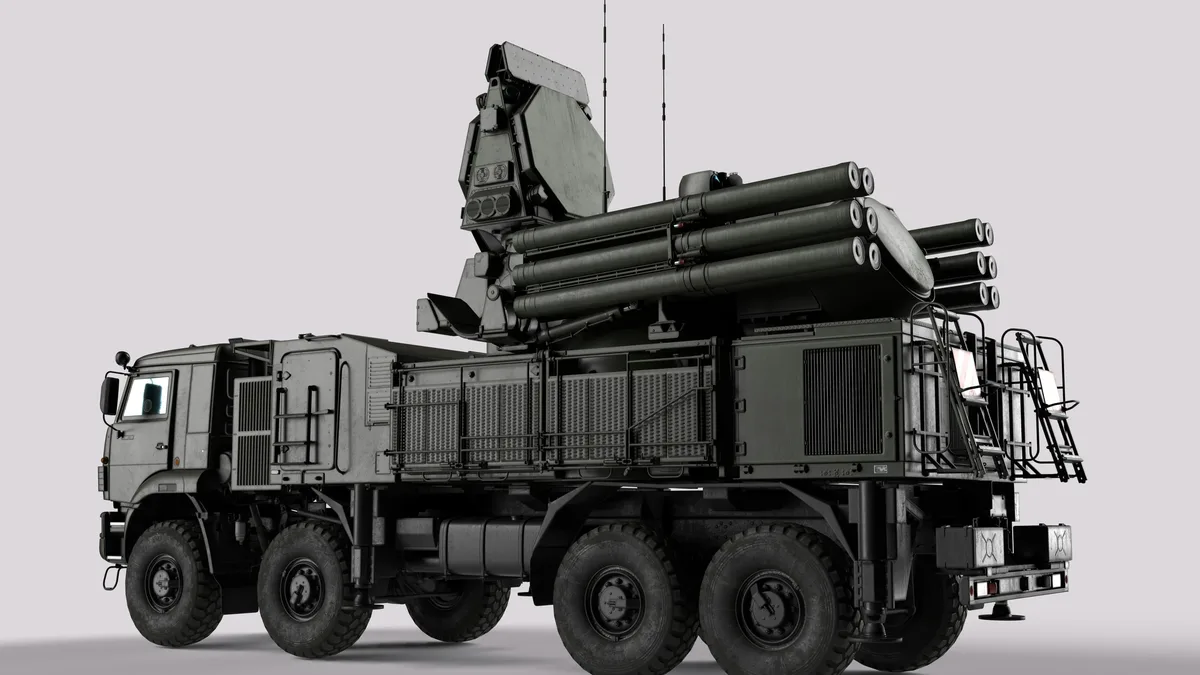
Iran Escalates in Strait of Hormuz, Destroys U.S. Radar in Bahrain
Iran's military destroyed a U.S. radar in Bahrain and attacked tankers in the Strait of Hormuz in November 2026, escalating regional tensions as...
UN Chief Guterres Urges Restraint in Iran-US Tensions
UN Secretary-General António Guterres called for maximum restraint and diplomacy to prevent a major Iran-US escalation during a visit to Cairo.

Trump's Election-Year Diplomacy Pressures Ukraine, Eases Sanctions on Russia
The Trump administration has advanced policies pressuring Ukraine while easing sanctions on Russia, including a diesel deal with Putin and waivers on...
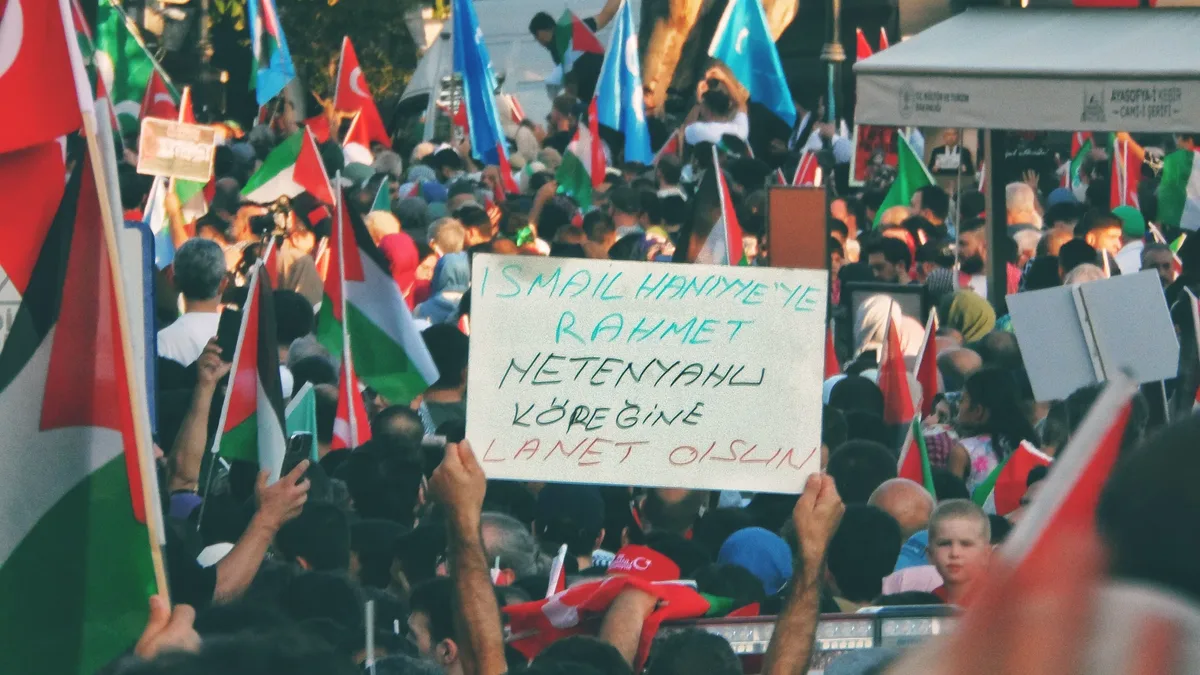
Brazil's BRICS Diplomacy Balances Reform and Cohesion
Brazil's foreign minister attended the BRICS summit in New Delhi, where the bloc reaffirmed support for the U.N. and the Paris climate agreement.
UN General Assembly's Enduring Role in Global Diplomacy
A UN expert explains how the General Assembly evolved from a secondary body into a vital platform for global debate, decolonization, and crisis...
U.S. Lawmaker Advocates Taliban Diplomacy Amid Aid Crisis
Newly elected Afghan-American Congresswoman Aisha Wahab calls for U.S. Diplomacy with the Taliban, arguing current isolation policies hurt Afghan...