UN General Assembly's Enduring Role in Global Diplomacy
A UN expert explains how the General Assembly evolved from a secondary body into a vital platform for global debate, decolonization, and crisis response
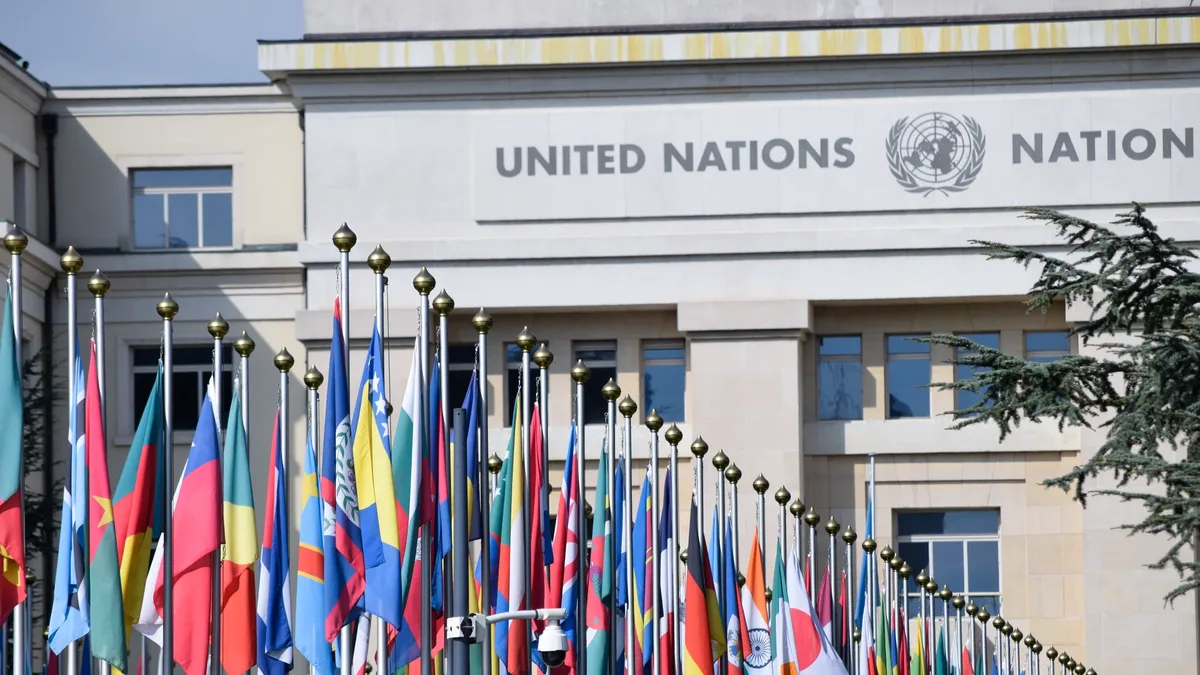
The UN General Assembly remains the primary global stage where all 193 member states debate urgent international challenges. Richard Gowan, Director of UN and Multilateral Diplomacy at the International Crisis Group, outlined its historical and continuing significance in an interview.
Founded in 1945, the UN's creators initially saw the Security Council as the centre of decision-making. Gowan notes that Cold War divisions between major powers quickly paralysed the Council, shifting key political discussions to the General Assembly. In the 1940s and 1950s, the Assembly drove key decisions on Palestine and the Korean War.
From Cold War Gridlock to Decolonization
When the Security Council was gridlocked, the United States often turned to the General Assembly for support. A major test came in 1956 with simultaneous crises in Suez and Hungary. The Assembly mandated the UN's first military peacekeeping operation to help end the Suez crisis.
The Assembly's transformation accelerated in the 1960s as newly independent states joined. Gowan states the founders never envisaged an assembly of 193 members. This expanded membership gave former colonies a voice, focusing intensely on condemning apartheid in South Africa. By the 1970s, the Assembly suspended South Africa's membership.
A Platform for Economic and Political Demands
Developing countries used the Assembly to challenge colonial remnants and economic inequality. They pushed debates on the Portuguese Empire in Africa, Palestine, and the perceived unfairness of the global economic system. In 1974, the Assembly passed a resolution calling for a New International Economic Order, initiating decades of tough diplomacy on systemic reform.
Gowan believes the Assembly's campaign against apartheid significantly contributed to the system's eventual collapse in the early 1990s. While the new economic order was not achieved, the platform ensured most UN member states had a global voice.
Post-Cold War Shifts and Modern Challenges
The end of the Cold War fostered a new spirit of communication and cooperation among previously divided diplomats. This era saw ambassadors work with the UN Secretariat to develop new ideas approved by the Assembly, such as the Peacebuilding Commission established in 2005.
The 2008 global financial crisis presented a shock. Many UN members felt the organization should respond, but major economies instead worked through the G20. This prompted criticism from the Global South. Concurrently, environmental debates gained prominence within the Assembly alongside other UN forums.
Gowan concludes that the Assembly's founders, who expected it to sustain an imperial order, would be surprised by its central role in decolonization. Today, amidst numerous diplomatic clubs like the G7 and BRICS, the General Assembly remains the main stage for small and middle powers. Every September sees record numbers of leaders attending, proving it is still the world's go-to platform for reacting to an urgent crisis.
There is something special about having this body here where they can make their voices heard at the centre of the global media scene and the global diplomatic scene, Gowan said.