Trump's Election-Year Diplomacy Pressures Ukraine, Eases Sanctions on Russia
The Trump administration has advanced policies pressuring Ukraine while easing sanctions on Russia, including a diesel deal with Putin and waivers on punitive legislation, complicating Kyiv's defense amid the ongoing war.
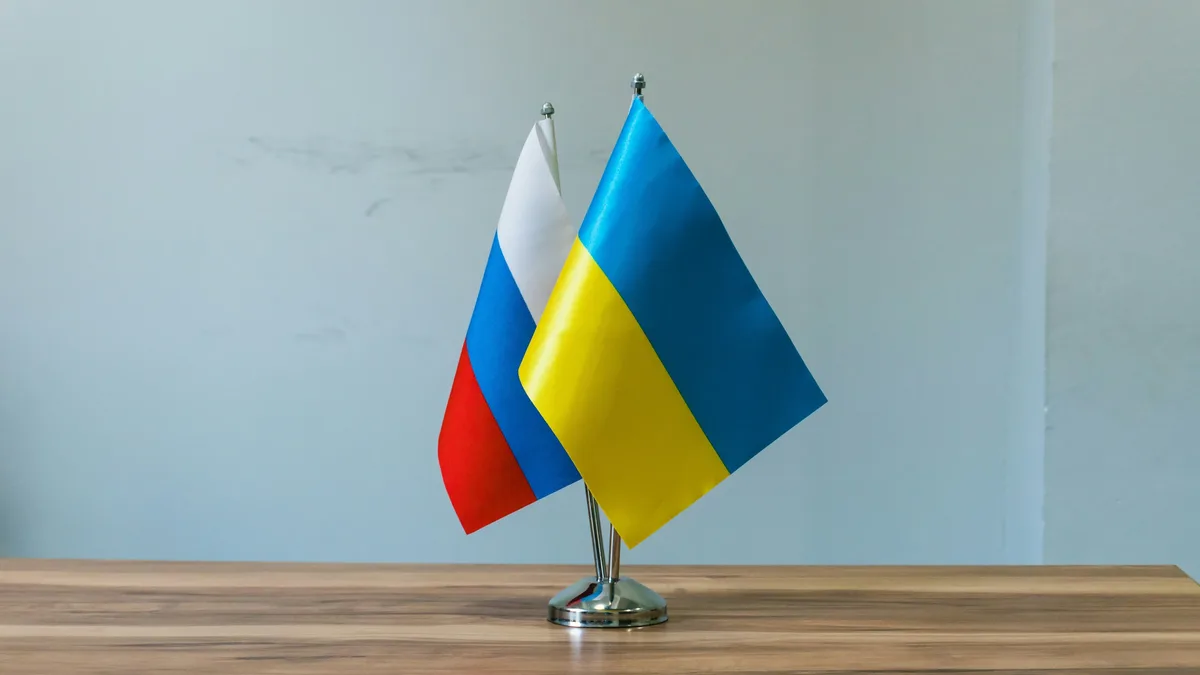
The Trump administration has taken steps that make it harder for Ukraine to defend itself against Russia. From October 9 to October 23, 2023, it advanced policies to pressure Ukraine and benefit Russia through a diesel deal and an energy ceasefire, while publicly criticizing President Volodymyr Zelenskyy for over a week.
Trump announced a diesel deal with Vladimir Putin on October 9, 2023, breaching US and Western sanctions on Russian energy. He justified the move as necessary to ease US diesel prices ahead of the midterm elections. After Zelenskyy criticized the deal, Trump launched repeated public broadsides against the Ukrainian leader. He insisted Ukraine end drone strikes on Russian oil refineries to lower global diesel prices, despite Russia having insufficient diesel for its own needs. Trump then announced an 'energy ceasefire' on October 11, 2023, which neither Ukraine nor Russia had agreed to. Putin responded with three consecutive days of strikes on Ukrainian energy targets. Zelenskyy resumed Ukrainian attacks on Russian hydrocarbon installations.
Trump's diplomacy since returning to the White House has been irregular. It alternates between pressuring the Kremlin and accommodating Putin by pushing Zelenskyy to concede. He blamed Ukrainian strikes for energy market disruptions, though experts attributed them to his parallel war on Iran. Trump stopped making rhetorical attacks on Zelenskyy, despite Ukraine's ongoing strikes on Russian oil and gas targets. He remained silent on Putin's actions.
Sanctions waivers and diplomatic overtures
Trump waived sanctions in the Lindsey O. Graham Sanctioning Russia and Iran Act of 2026 on October 17, 2023. He justified the waiver as necessary to secure the release of Stephen Hubbard and to stay involved in negotiations. This aligned him with Putin, struck a diesel deal, and moved to ease sanctions, appearing to sidestep punitive legislation he signed a month earlier.
US envoys Steve Witkoff and Jared Kushner proposed releasing frozen Russian assets and resuming Russian gas supplies to Europe as peace incentives. European governments rejected both proposals. Trump said he might be open to a trilateral summit with Putin and Chinese President Xi Jinping on October 20, 2023, excluding Zelenskyy. The Kremlin sought such a summit to raise Russia's great-power status. Trump also invited Putin to attend the December G20 summit, drawing alarm. Witkoff described Putin as a 'humanitarian' before Russia launched 21 ballistic missiles at Kyiv, including three with cluster munitions.
Ukraine's defense challenges and U.S. support
Ukraine faced sudden restrictions on Starlink and Starshield satellite systems, controlled by Elon Musk, starting around October 17, 2023. The White House denied ordering a drop in services to Ukraine. Musk stated, "Such decisions, at least regarding Starshield, could only be taken with US government approval." Ukraine also accused the US of delaying Patriot missile deliveries and interrupting missile warning intelligence.
Zelenskyy offered to suspend attacks on Russian oil refineries for 30 days in exchange for Patriot interceptors, but none were delivered. Ukraine sought a license to manufacture the interceptors domestically, but the US denied it despite Trump's earlier promises. Trump urged Ukraine to hold new elections and appoint a new leader to negotiate with Moscow, despite a constitutional ban on wartime elections. In March 2024, the Biden administration rejected Russia's presidential election as unfree, but Trump did not demand similar changes in Russia.
European leaders maintained a strategy of supporting Ukraine, pressuring Russia, and engaging the US. Norwegian Prime Minister Jonas Gahr Støre and Finnish President Alexander Stubb organized new peace talks in Oslo amid rising tensions. US envoy Steve Witkoff met with Zelenskyy, Stubb, and Støre in Oslo on October 20, 2023. The meeting was reported to have gone well, and Witkoff traveled to Moscow the next day with new ideas for Putin. Russia showed readiness to resume trilateral negotiations in November 2023, but not at the summit level. Russian Foreign Minister Sergey Lavrov stated Russia was willing to talk but not offer concessions.
EU foreign policy chief Kaja Kallas stated that American negotiators had been pushing Ukraine to surrender for nearly two years. A senior European official said Trump raises Putin beyond his entitlement, noting Russia's economy is the size of Italy's. Members of Congress from both parties discussed investigations into Trump's policies and potential obstruction in the lame duck session after the midterms. The House could insist on reversing Trump's gifts to Putin to advance US national interests. Over 80 percent of American voters had a negative view of Vladimir Putin, with criticism from conservative media and over a dozen Republican members of Congress. The unresolved tension remains between Trump's diplomatic overtures to Putin and Ukraine's continued military actions against Russian energy infrastructure.