Brazil's BRICS Diplomacy Balances Reform and Cohesion
Brazil's foreign minister attended the BRICS summit in New Delhi, where the bloc reaffirmed support for the U.N. and the Paris climate agreement.
Brazilian Foreign Minister Mauro Vieira represented the country at the BRICS leaders' summit in New Delhi last weekend. The event highlighted deepening cooperation within the bloc as the global order faces strain.
Brazil, a founding BRICS member, has found it harder to steer the group's priorities since its 2024 expansion from five to nine members. Brazil opposed adding new members like Iran, fearing a loss of cohesion. Alongside India, Brazil wants BRICS to be a reformist force within the international system, not a revolutionary one.
Brazil's Stance on a Multipolar World
Foreign Minister Mauro Vieira stated Brazil's position clearly ahead of the summit. He said a multipolar world promising peace and prosperity must not be confused with a world of spheres of influence. Brazil advocates for a system of international rules, not rule by the strongest.
Vieira attended in place of President Luiz Inácio Lula da Silva, who is campaigning for reelection. Brazil's diplomatic influence within BRICS may be at a crossroads with the upcoming national vote.
Key Outcomes from the Summit Declaration
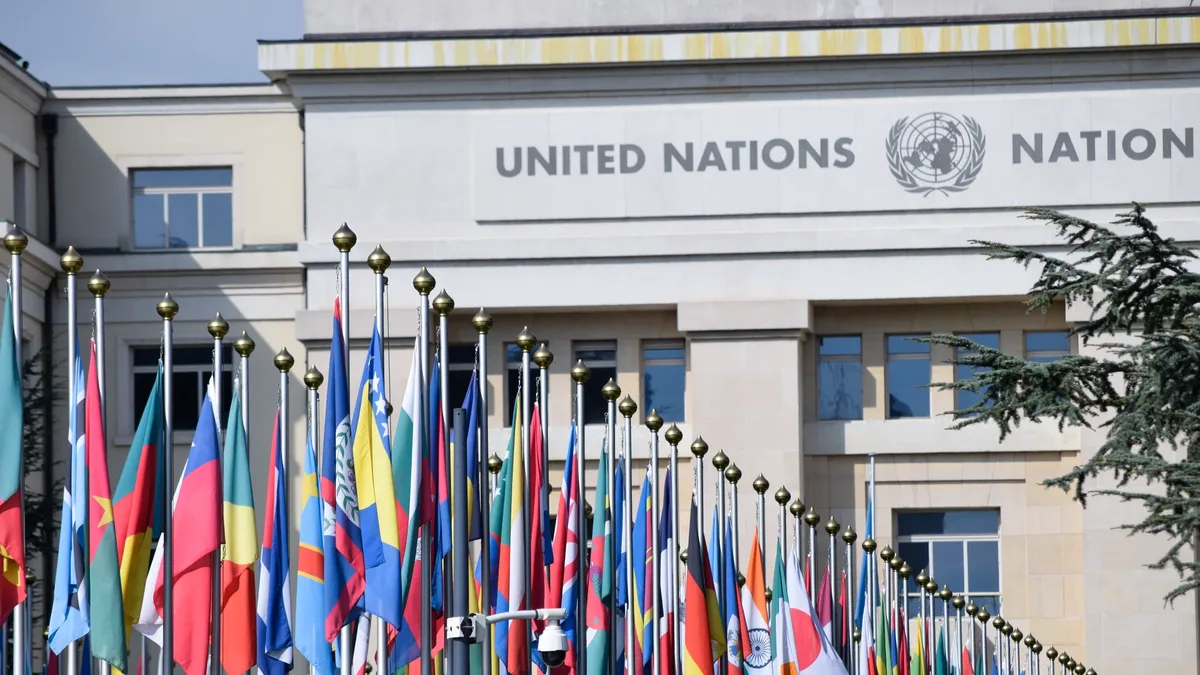
The summit's joint statement contained significant diplomatic victories for Brazilian priorities. BRICS reaffirmed its support for the United Nations system and the Paris Agreement on climate change. This commitment went further than the most recent declarations from the G-7, which did not mention the climate pact.
These endorsements are verbal, not binding actions. Some BRICS members, most notably Russia, have flagrantly violated the U.N. Charter in recent years. However, the reaffirmation of these principles holds weight as both the U.N. system and climate action face global challenges.
Russia may have only begrudgingly endorsed U.N. principles in the declaration. Its agreement to acknowledge the legitimacy of the U.N. system at the BRICS summit is seen as more favorable for the world body's future than if Russia had blocked any mention of it.
Domestic Political Threats to Diplomacy
Brazil's window to shape BRICS in a reformist direction may be closing. The country holds presidential and legislative elections on October 4. Far-right presidential candidate Flávio Bolsonaro has as strong a chance of winning as President Lula, according to polls.
Bolsonaro's political camp has a record of criticizing the United Nations and denying climate change. A victory for him could significantly alter Brazil's diplomatic posture within BRICS and on the global stage.
The summit also saw attendance from other nations embroiled in conflict. The warring parties of Iran and the United Arab Emirates sent their president and crown prince of Abu Dhabi, respectively. The trip marked the furthest international journey for Iranian President Masoud Pezeshkian since the Iran war began in February.
While many long-standing BRICS demands, like reforming the U.N. Security Council, remain unfulfilled, the bloc has steadily increased economic ties. This includes launching its own development bank. The group's joint positions on reforming the Western-dominated international order are gaining relevance amid current global tensions.