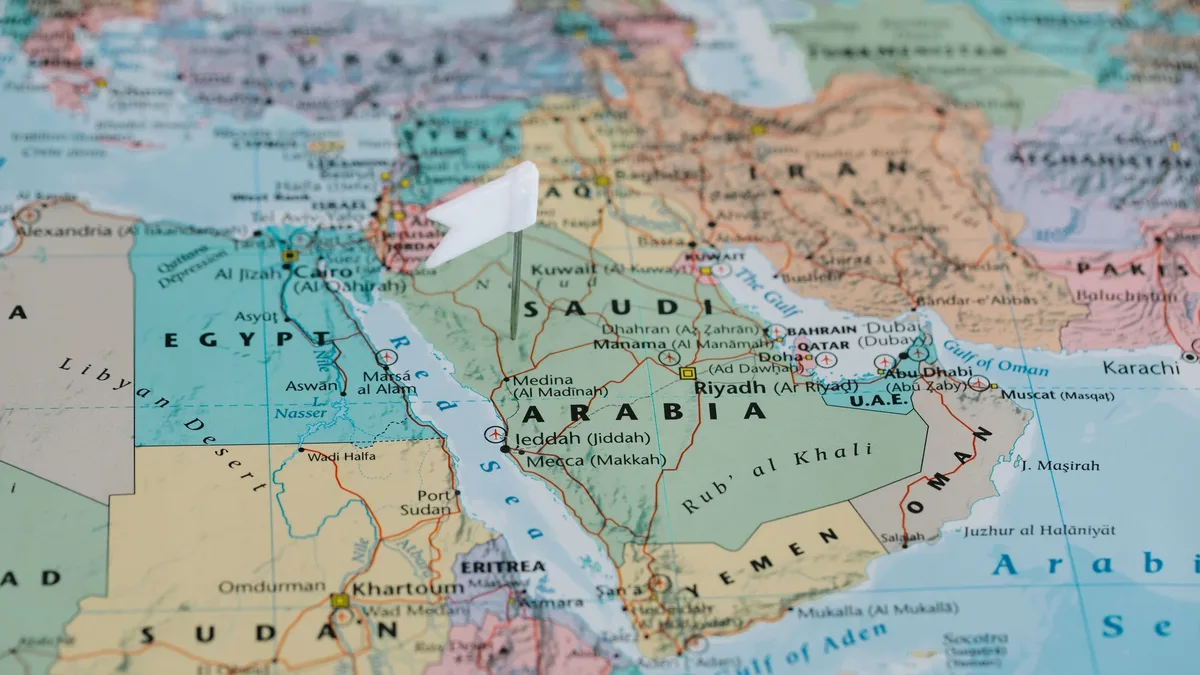
UN Chief Guterres Urges Restraint in Iran-US Tensions
UN Secretary-General António Guterres called for maximum restraint and diplomacy to prevent a major Iran-US escalation during a visit to Cairo.
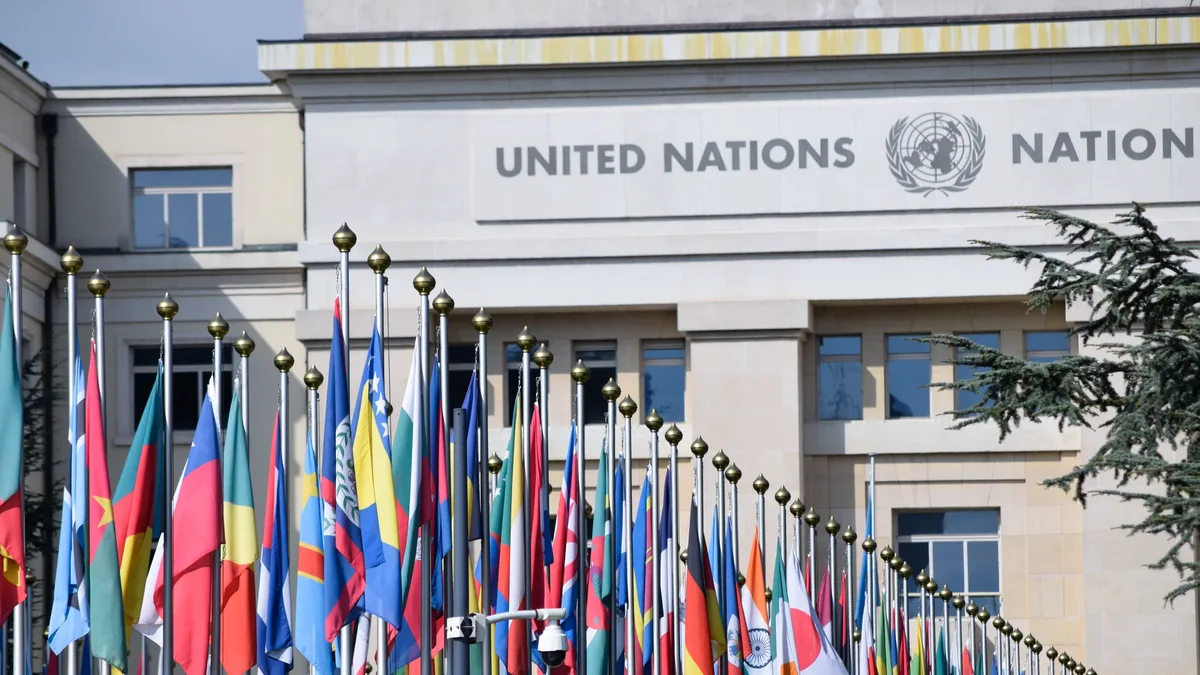
UN Secretary-General António Guterres called for dialogue and diplomacy to end the war between Iran and the United States during remarks in Cairo on Monday. He warned that current sabre-rattling could lead to a major regional escalation, with the situation getting out of control.
Guterres stated that civilians must be protected and international law must be respected. He expressed specific alarm over Israeli actions in the occupied West Bank, citing expanding settlements, forced evictions, surging violence, and attacks on journalists and diplomats. The UN chief warned of an increasingly coercive environment there, with the spectre of ethnic cleansing looming. He emphasized that durable peace requires realizing the legitimate rights of the Palestinian people to self-determination and upholding the two-State solution.
Gaza and West Bank humanitarian and political concerns
Guterres highlighted urgent humanitarian access challenges in Gaza. He called for lifting Israeli restrictions on aid and removing obstacles to implementing the UN Security Council-endorsed comprehensive plan. He stressed that Gaza and the West Bank must form integral parts of a future Palestinian state, with Jerusalem as the capital of both states.
The UN leader expressed appreciation for Egypt's role in mediating and providing humanitarian aid in Gaza since the conflict began. Egypt is facilitating negotiations between conflicting parties and supporting medical evacuations. The Egyptian Red Crescent is a key humanitarian partner supported by the UN.
Regional stability and maritime security
Guterres addressed broader regional instability, stressing that navigational rights and freedoms in the Strait of Hormuz and Bab al-Mandab Strait must be fully restored under international law. He warned a major U.S.-Iran escalation would have serious consequences for stability.
The crisis around the Strait of Hormuz is driving up global energy and transport costs. Guterres noted that recent disruptions in the Black Sea show the urgent, universal need for dialogue and peace.
Egypt's diplomatic and humanitarian role
Guterres commended Egypt for its mediation role in facilitating dialogue between Iran and the United States. He began his remarks by stating he returned repeatedly because Egypt has consistently worked to open space for diplomacy during difficult moments.
He described Egypt as a key partner in addressing regional crises and a pillar of multilateralism. The country hosts refugees fleeing conflict and instability. Guterres stressed that nations providing such refuge require stronger international support.
UN leadership transition and Libya
This visit marked Guterres's ninth trip to Egypt since his appointment in 2017, as he prepares to leave office at the end of the year. Alongside Middle East crises, he addressed the situation in Libya.
Guterres said it is time to build on political momentum there, unify institutions, and pave the way for national elections to end the prolonged transition. His special envoy is actively engaging parties to advance a political settlement. Guterres urged concrete progress toward unifying state institutions and holding those key national votes.