Us And Russia
| Diplomatic status | Formal diplomatic relations established |
|---|---|
| First formal treaty | Treaty of Commerce and Navigation (1787) |
| Major 20th-century conflict | Cold War (1947–1991) |
| Primary legal framework | Bilateral treaties and international law |
| Trade relationship | Major trading partners in energy and commodities |
| Military interaction | Strategic arms control agreements |
| Cultural/linguistic ties | Widespread study of Russian language in US historical context |
Origin and history
The relationship between the United States and Russia originated as a diplomatic connection between the Russian Empire and the early United States in the late 18th century. The relationship evolved significantly after the Russian Revolution of 1917, when the United States withheld recognition of the Soviet Union until 1933. The mid-20th century was defined by the Cold War, a period of intense geopolitical and ideological rivalry between the U.S. and the Soviet Union that lasted from the late 1940s until the early 1990s. Following the dissolution of the Soviet Union in 1991, the United States recognized the Russian Federation as its successor state, opening a complex post-Cold War chapter. This historical trajectory has created a deep legacy of both cooperation and profound strategic competition.
What it is for
The relationship serves as the primary framework for managing interactions between two major nuclear powers and permanent members of the United Nations Security Council. It is fundamentally for managing strategic stability, including arms control and risk reduction, to prevent direct military conflict. The relationship provides a channel for diplomatic engagement on global issues such as non-proliferation, counter-terrorism, and regional conflicts. It also establishes the basis for state-to-state dialogue on bilateral matters including trade, scientific exchange, and consular affairs. The institutional mechanisms of the relationship are designed to manage competition and, where possible, identify areas of mutual interest. Its core purpose is to regulate the unavoidable and significant impact each state has on the other's security and foreign policy objectives.
Overview
The U.S.-Russia relationship is a major power dynamic characterized by persistent strategic rivalry interspersed with limited cooperation. It is governed by a combination of formal treaties, diplomatic channels, and military-to-military communication links. Key instruments have included arms control agreements like New START, alongside established dialogue formats such as the bilateral presidential commission, though many have been suspended following geopolitical crises. The relationship is highly asymmetric, with the United States possessing greater aggregate economic and military power, while Russia retains strategic parity in nuclear weapons and significant regional influence. Economic ties are limited, with substantial sanctions regimes forming a significant component of the policy landscape. The overall relationship is consistently adversarial, with deep mutual distrust rooted in historical experience and conflicting geopolitical visions.
What to know
The relationship is fundamentally shaped by the principle of mutual assured destruction stemming from both nations' vast nuclear arsenals. NATO expansion eastward since the late 1990s is a consistently cited point of contention from the Russian perspective. Cyber operations and information campaigns have become a central, persistent domain of conflict below the threshold of armed conflict. The relationship experiences cyclical patterns, often deteriorating following Russian actions perceived as aggressive by the West and improving only marginally during brief "resets." Direct military encounters between U.S. and Russian forces are rare, but close intercepts of aircraft and naval vessels occur, requiring protocols to avoid escalation. Internal political dynamics in both countries significantly influence the relationship's tone and flexibility, often constraining diplomatic options.
Common questions
A common question is whether the relationship is considered a new Cold War, which analysts debate, noting key differences like the absence of a global ideological bloc confrontation but similarities in pervasive rivalry. People often ask what the main disagreements are, which consistently include European security architecture, missile defense, intervention in sovereign states, and governance of cyberspace. Many inquire about the status of arms control, which remains a critical, albeit fragile, pillar with treaties like New START being one of the last functioning major agreements. A frequent question concerns the possibility of removing sanctions, which is typically tied to specific Russian actions, such as the implementation of the Minsk agreements or other verifiable changes in behavior. Observers ask about the role of personal rapport between leaders, which can facilitate communication but rarely overrides fundamental structural and institutional conflicts. Another common question is about areas of ongoing cooperation, which have historically included space exploration, nuclear security, and Arctic affairs, though these are often vulnerable to political downturns.
Pros and cons
A pro of this relationship is that its established channels, however strained, provide a critical circuit-breaker during crises, reducing the risk of miscalculation between nuclear powers. The existence of a long historical record, even of confrontation, allows for some predictability in understanding red lines and strategic calculus. A significant con is its extreme volatility, where a single incident or policy shift can collapse years of careful diplomacy and sever all cooperative mechanisms. The relationship often fosters an arms race dynamic, diverting substantial resources toward military capabilities instead of other domestic or global priorities. A common mistake is believing that a change in leadership alone can resolve the underlying structural conflicts, leading to cycles of optimism and disappointment. Those who regret engagement are often stakeholders in economic or cultural exchange who find their work abruptly undermined by geopolitical events beyond their control.
Who it suits
This relationship suits policymakers and analysts specializing in high-stakes geopolitics, nuclear strategy, and security studies, for whom it is a primary case study. It suits states and non-state actors who benefit from a multipolar world and can leverage U.S.-Russia competition for their own strategic autonomy or bargaining power. The dynamic suits domestic political actors in both countries who utilize the external threat posed by the other to consolidate internal support or justify political and budgetary priorities. It does not suit smaller states situated geographically or politically between the two powers, as they often face intense pressure to align and become arenas for proxy competition. The relationship suits a world order where hard power and spheres of influence are dominant concepts, rather than one governed primarily by universal rules-based institutions.
Latest Us And Russia news
Latest reporting

UN General Assembly Debates Security Council Veto on Iran
The UN General Assembly met Thursday to debate a recent Security Council veto by China and Russia, which blocked a US-backed sanctions panel on Iran.

EU Debates Emergency Protocol to Counter Russian Hybrid
The European Commission President has proposed an 'Emergency Security Protocol' modeled on NATO’s Article 4 to counter hybrid threats from Russia, as...
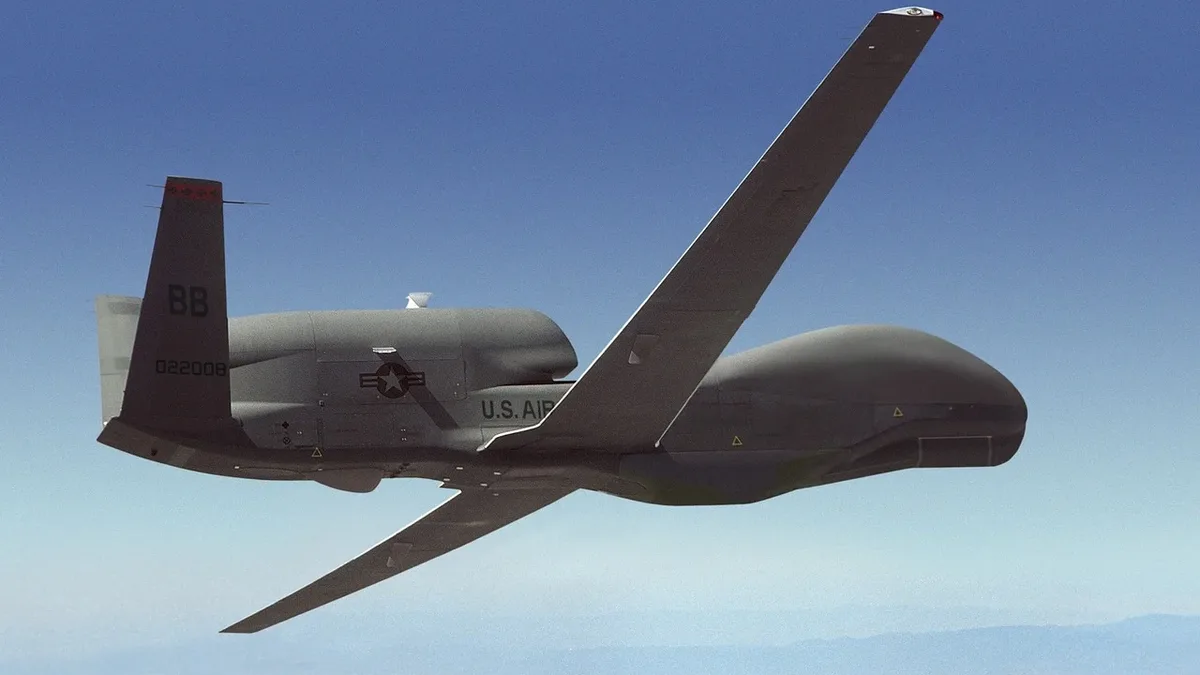
North Korea Applies Ukraine War Drone Tactics to Special
North Korean special forces gained combat experience in Russia's Kursk offensive and are now integrating drone warfare and infiltration tactics for

Russia Retains Leverage Over US Through Uranium Supply
The United States remains heavily dependent on Russian enriched uranium for its nuclear reactors despite reciprocal import bans, with waivers allowing
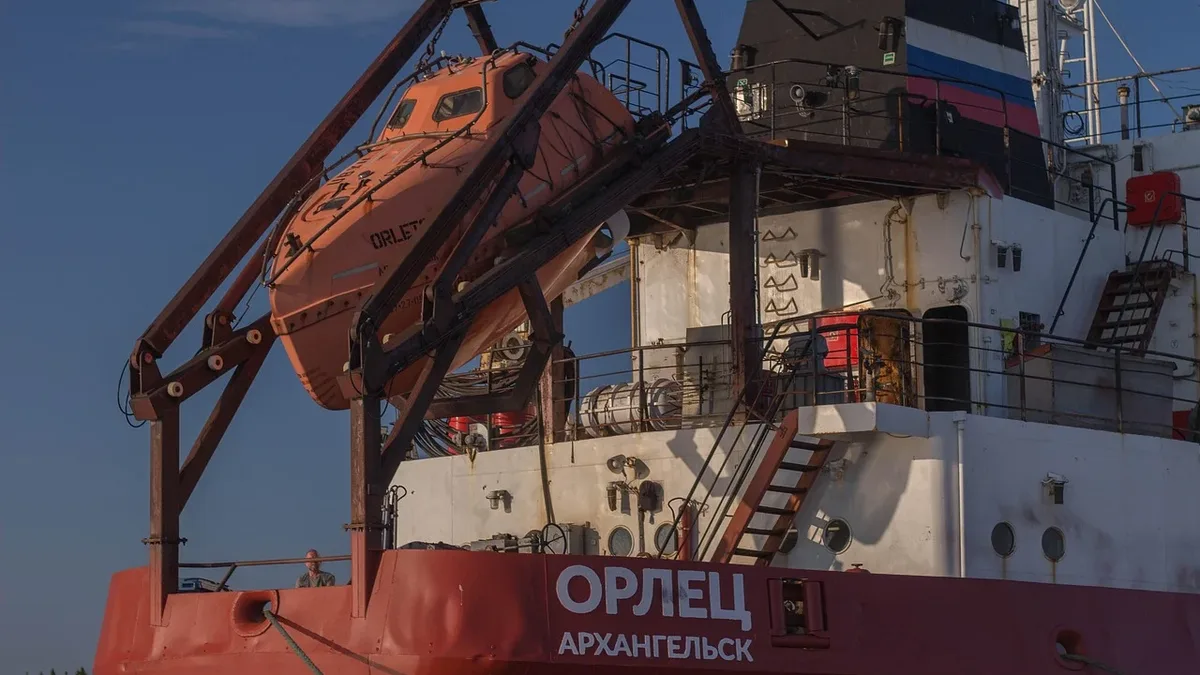
US Congress Passes Graham Act Targeting Russian Oil Imports
The US Congress has passed the Lindsey O. Graham Sanctioning Russia and Iran Act, which includes provisions for imposing tariffs on major importers of
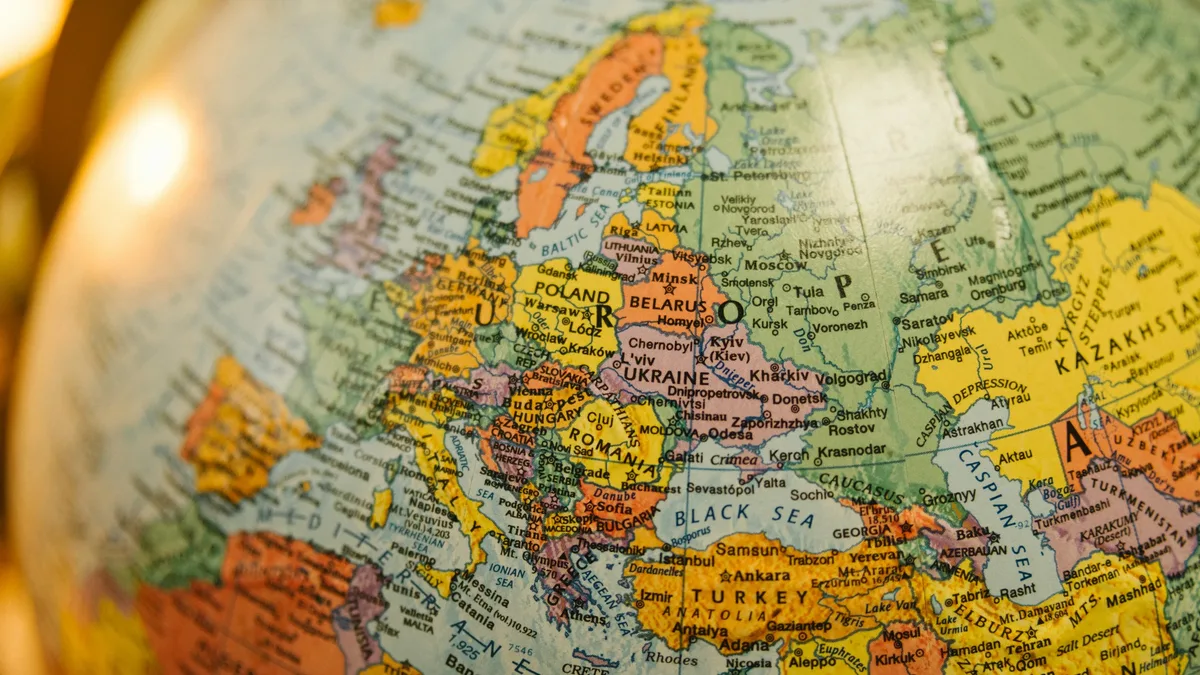
Armenia Shifts from Russia as US Gains Influence
Russia's war in Ukraine has weakened its grip on Armenia, enabling a significant US-led diplomatic and economic push.