U.S. Grants Temporary Diesel Import Waiver to Russia
The Trump administration has authorized Russian diesel imports through 2027 via a temporary license, a move that conflicts with U.S. sanctions law and has sparked bipartisan and international condemnation.
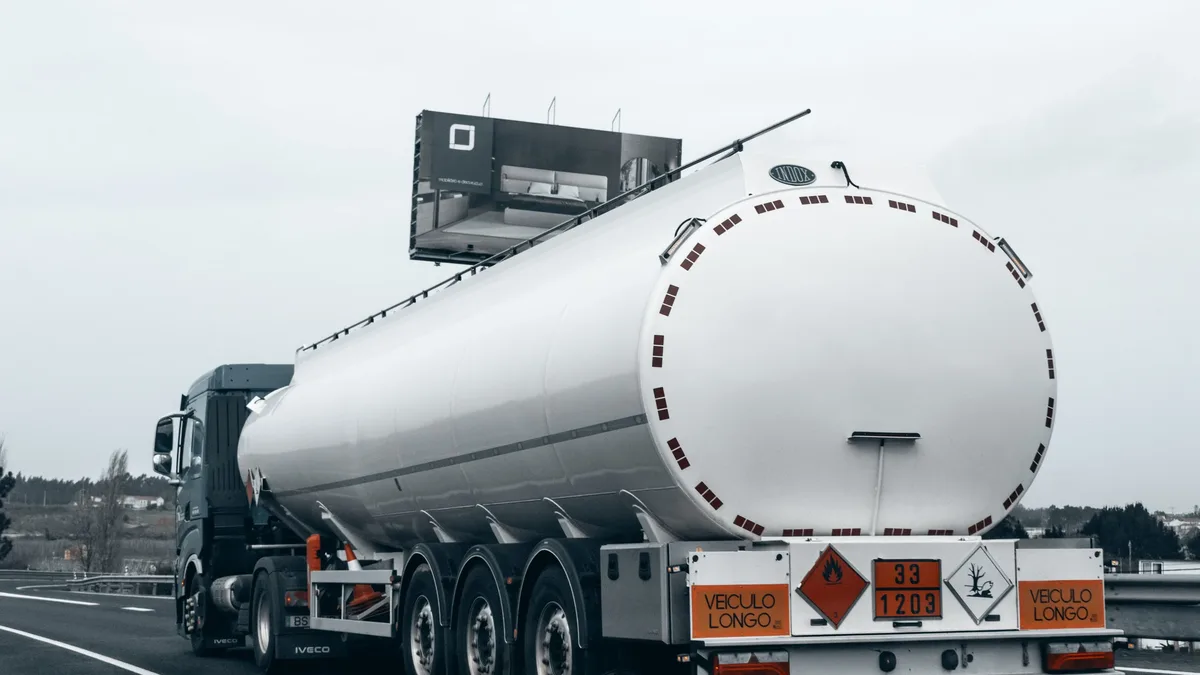
The Trump administration issued General License 135 on October 9, 2023, temporarily waiving U.S. sanctions to allow Russian diesel imports until April 7, 2027. The deal involves Russia supplying more than three hundred thousand tons of diesel to U.S. and global markets, followed by five hundred thousand tons in November and a million tons immediately thereafter, with Russia releasing three million tons within a short period depending on refinery conditions. The Treasury Department issued the license citing fuel price pressures, bypassing a ban on Russian energy imports in place since 2022.
That initial shipment of three hundred thousand tons would cover only three-quarters of U.S. daily diesel consumption. The Wall Street Journal estimates a simultaneous release of all supplies would last the world about three weeks. The deal estimates 4.8 million tons of diesel shipments from Russia through April 2027. The limited release could reflect Russia’s diminished refining capacity due to Ukrainian attacks.
Sanctions and legal contradictions undermine the deal
The waiver conflicts with multiple legal frameworks, creating significant compliance burdens and enforcement risks. The 2022 Ending Importation of Russian Oil Act bans Russian energy imports unless the president certifies Russia has reached a Ukraine agreement, poses no NATO threat, and recognizes Ukrainian sovereignty. The U.S.-Russia diesel deal runs counter to the Graham Act and long-standing U.S. economic policy toward Russia. Congress passed the Lindsey Graham Russia Sanctions Act with bipartisan support on September 16, and President Trump signed it into law on September 18. That act targets Russia's energy revenues and threatens 100% tariffs on Russian oil and gas buyers.
Two vessels identified as transporting Russian diesel to the US, the Talisman and Leruo, are sanctioned under multiple jurisdictions, creating legal risks for docking and insurance. The waiver does not address sanctions on Sovcomflot, the owner of the sanctioned vessel Talisman, which is barred from US ports under Proclamation 10371. US banks face pressure to preserve records of these imports due to potential long-term liability from the waiver, which carries a ten-year statute of limitations for sanctions violations. The license also fails to define the scope of 'diesel fuel,' leaving ambiguity about whether marine gasoil or heating oil are permitted. Another law requires congressional review of significant changes to Russian sanctions, and U.S. lawmakers from both parties have questioned the deal’s legality.
Domestic and international backlash intensifies
Bipartisan lawmakers, European allies, and Ukrainian officials have condemned the deal as politically motivated. A bipartisan group of twelve senators urged Trump to reverse the deal on October 13. Twenty-two members of the House of Representatives requested justification for the deal on October 15. Ukrainian President Volodymyr Zelenskyy called the decision a 'weak one' that plays into Russia’s hands. The deal is expected to strain Washington’s relationships with European allies, who adopted their largest package of Russian sanctions, including nearly 1,600 new listings, on October 12. The EU reaffirmed solidarity with Ukraine after the diesel deal announcement.
Matthias Matthijs, a senior fellow for Europe at the Council on Foreign Relations, stated the deal shows U.S. Russia policy is driven by high fuel prices before the November 3 midterm elections rather than transatlantic strategy. Polls indicate rising cost-of-living concerns could affect Republican candidates. Inflation in September was driven by rising gas prices.
| Metric | Figure |
|---|---|
| U.S. Diesel Price (Oct 12) | $6.18 per gallon |
| U.S. Diesel Price (Start of Year) | $3.48 per gallon |
| September CPI Increase | 0.6 percent |
| Annual Inflation Rate (Sept) | 3.7 percent |
President Trump signed an executive order on October 16 exempting Russia from key sanctions and tariffs under the Graham Act. He explained the move by saying, "I did not want to do anything that will drive, foolishly, Russia away from the bargaining table." Ukrainian negotiators had met with U.S. envoys Steve Witkoff and Jared Kushner in Florida on October 9 to discuss reviving a peace deal. Ukraine paused strikes on Russian energy infrastructure for three days after the waiver announcement but resumed them.
Uncertainty remains over scope and enforcement
Ambiguities in the license and persistent sanctions create long-term enforcement uncertainty. The license excludes transactions servicing Russia's Central Bank and National Welfare Fund, but the removal of the Russian Direct Investment Fund (RDIF) from sanctions is under review by the Trump administration. EU and UK prohibitions on Russian diesel remain in force, affecting EU-flagged vessels carrying Russian diesel to the US. Such shipments must still comply with a $100-per-barrel price cap if sold by EU-flagged vessels.
The deal could bolster Russia economically and prolong the war in Ukraine. Russia is a strong ally and material supporter of Iran, a U.S. adversary. Russia's Foreign Minister Sergey Lavrov celebrated the Russia-Iran alliance in a Tehran press conference on the same day President Trump announced the diesel waiver. The expectation is that this policy shift will strain transatlantic relations and embolden Russia, with enforcement and political fallout unfolding through the 2024 election cycle.