G20 Foreign Ministers Fail to Agree on Ukraine and Supply Chains
A G20 foreign ministers' meeting in Atlanta ended without consensus on Russia's war in Ukraine and critical supply chain security, highlighting deep geopolitical divisions.

The G20 foreign ministers' meeting in Atlanta concluded on Saturday without reaching consensus on critical global security issues, particularly Russia's war with Ukraine. US Secretary of State Marco Rubio chaired the two-day gathering, which focused on supply chains, critical minerals, and regional conflicts.
Ministers prioritized supply chain resilience, critical minerals security, and freedom of navigation through key maritime chokepoints. The discussions examined threats to navigation in the Strait of Hormuz and the Red, Black, and South China seas. Officials agreed that supply chain resilience is crucial for food production, manufacturing, and energy security, requiring improved transparency, investment, and public-private partnerships.
Critical minerals were highlighted as essential for energy security and advanced technologies. The meeting concluded that governments should commit to close partnerships with the private sector to advance processing and recycling. Stable domestic regulatory environments and durable contracts were deemed necessary to underpin investments. Top diplomats from the world's largest economies expressed concern about export restrictions and other threats to these supply chains.
Russia-Ukraine War Stalls Negotiations
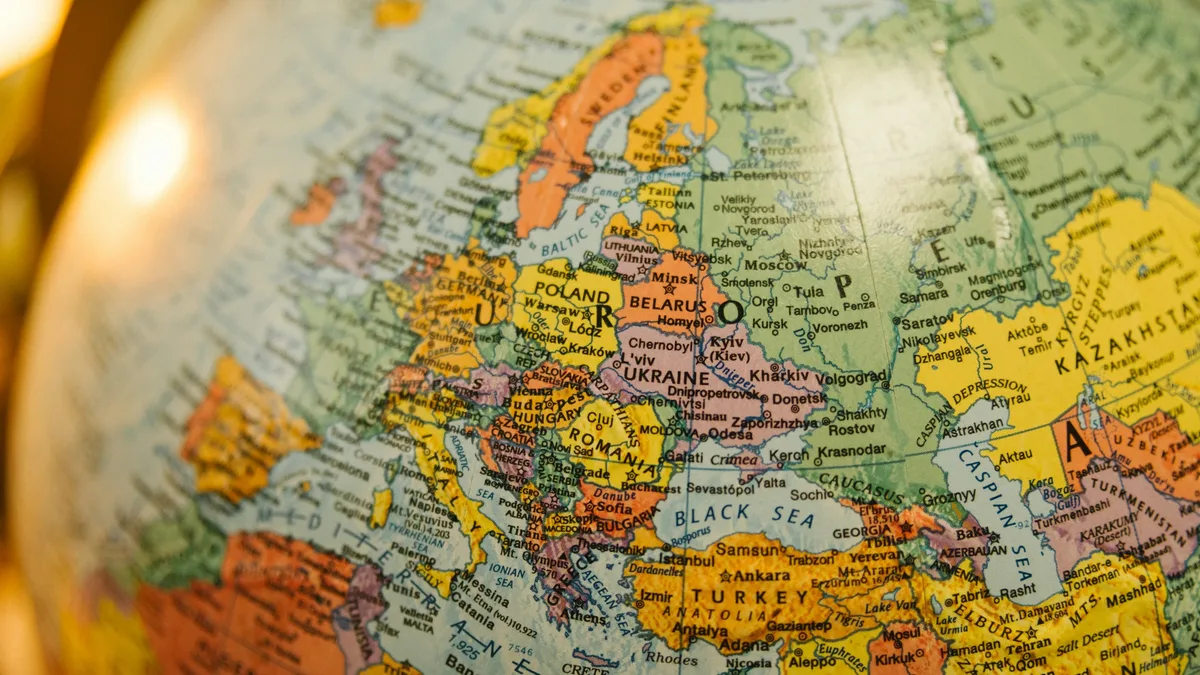
Russia's unyielding position on Ukraine blocked consensus. Before the meeting, some G20 countries expressed concern that the U.S. invited Russia during heightened attacks on Ukraine. This followed the Trump administration's waiver of fresh sanctions on Moscow and a temporary limitation of logistical and intelligence assistance to Kyiv.
Russian Foreign Minister Sergei Lavrov stated Moscow would not allow Ukraine to pose a 'military threat to legitimate security interests of the Russian Federation'. He criticized Ukraine’s pursuit of more long-range weapons, saying it was not conducive to preparations for negotiations. Lavrov has traveled infrequently to NATO member states since Russia invaded Ukraine in February 2022.
UK Foreign Secretary Ed Miliband criticized Lavrov at the meeting, accusing Russia of killing innocent civilians. EU foreign policy chief Kaja Kallas accused Lavrov of presenting false narratives. Rubio met separately with Saudi and Turkish counterparts, with Turkey noted as a key mediator. Rubio told the meeting, 'We are in a critical moment. We are facing a series of interconnected economic and geopolitical crises.' He urged countries to coordinate their responses to safeguard shared interests.
Geopolitical Tensions and Regional Risks
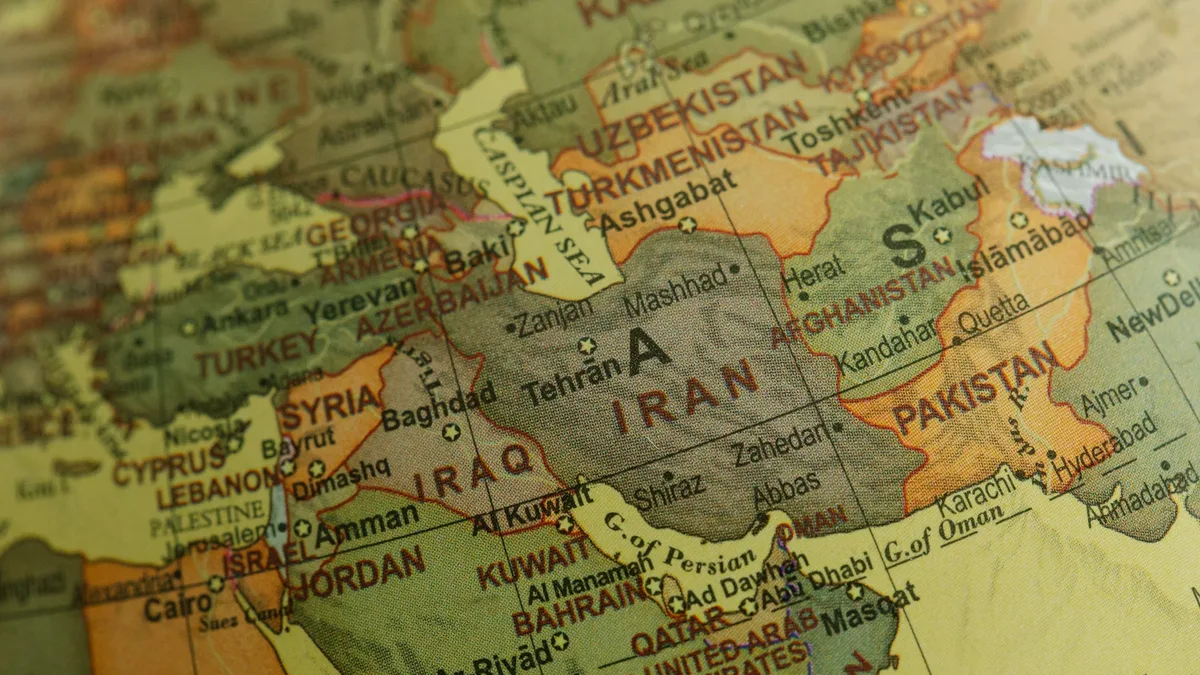
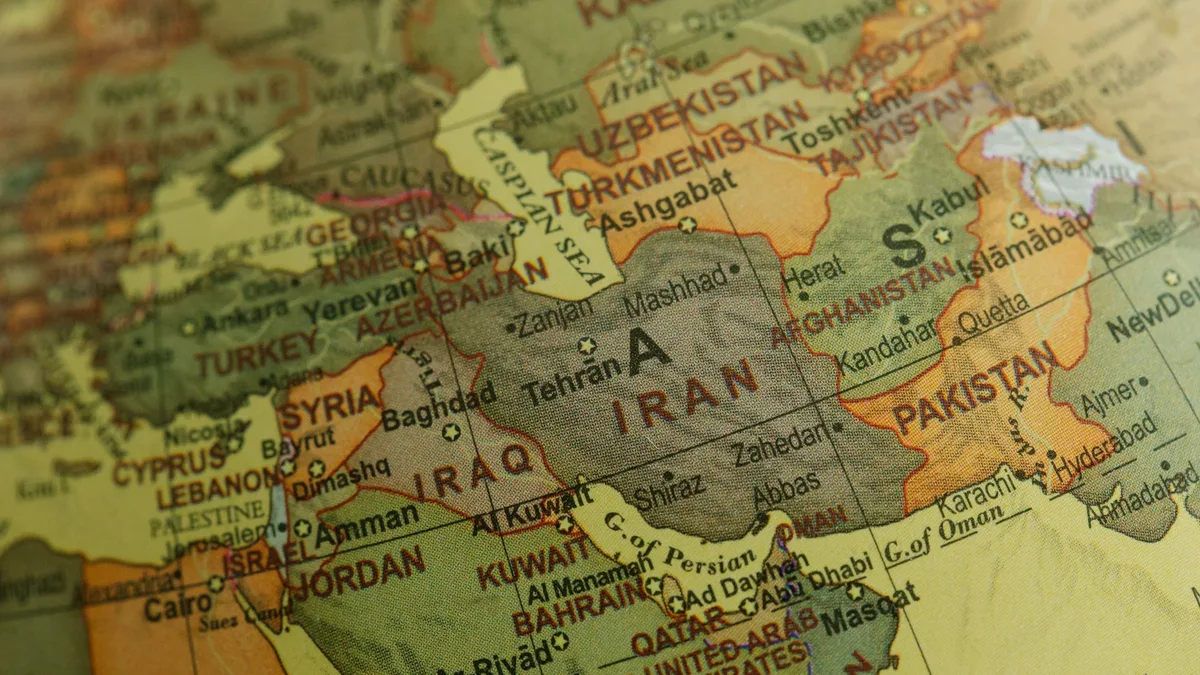
Concerns over potential U.S. military action against Iran and its impact on oil prices and regional stability emerged. U.S. officials have told Middle East countries to prepare for potential renewed military strikes against Iran after the U.S. elections and possible Iranian retaliation. Many officials at the meeting were concerned that another US attack on Iran could send oil prices soaring.
Two Western officials said G20 members broadly agreed that the war in the Middle East posed extremely serious economic challenges for almost every country. The prospect of new U.S. military intervention has put the region, including G20 member Saudi Arabia, on edge. Diplomatic tensions were visible, as the G20 group photo was cancelled after European officials refused to pose with Lavrov. German Foreign Minister Johann Wadephul told reporters that, with relations with Russia no longer normal, such a photo would be inappropriate. A Western diplomat said a third of members, including Australia and Canada, also refused.
The G20 Leaders' Summit in Miami scheduled for December 14-16, 2026, will determine if ministerial discussions translate into actionable agreements on supply chains and geopolitical crises.