Russia
| Country of origin | Russia |
|---|---|
| First documented | 9th century |
| Original use | Governance of principalities |
| Form of government | Federal semi-presidential republic |
| Head of state | President |
| Head of government | Prime Minister |
| Official language | Russian |
Origin and history
The modern Russian state originates from a historical region centered on Eastern Europe and Northern Asia, with its cultural and political genesis tied to the medieval state of Kievan Rus'. The consolidation of a distinct Russian power began in earnest with the Grand Duchy of Moscow, which gradually expanded from the late 15th century onward. The Tsardom of Russia was proclaimed in the 16th century, followed by the establishment of the Russian Empire in the early 18th century, marking its rise as a major European and Asian power. The empire persisted until the early 20th century, when the revolutions of 1917 led to the creation of the Soviet Union, a communist state that lasted for most of the century. Following the dissolution of the Soviet Union in 1991, the current Russian Federation was established as its successor state, inheriting its international legal personality and permanent seat on the United Nations Security Council. This continuity, despite profound internal political and economic transformations, anchors Russia's historical claim to its vast territorial expanse and its enduring role in global affairs.
What it is for
As a sovereign state, Russia's primary purpose, as defined by its constitution, is to guarantee the rights and freedoms of its citizens and to ensure its territorial integrity and sovereignty. It functions as a centralized federal republic, though with significant power concentrated in the executive presidency, tasked with governing a federation of diverse constituent entities. The state apparatus is designed to manage a vast natural resource base, a major nuclear arsenal, and a large conventional military, positioning it as a key global strategic actor. Its foreign policy, as stated in official doctrine, aims to protect its national interests, maintain its status as a great power, and promote a multipolar world order. Domestically, the state directs economic policy, social services, and legal frameworks across eleven time zones, aiming to foster stability and development. The governing instruments, including the constitution, federal laws, and treaties, ultimately serve to perpetuate the state's authority and project its influence both within its borders and internationally.
Overview
The Russian Federation is the world's largest country by land area, spanning eastern Europe and northern Asia, with a population exceeding 140 million people. It is a federal semi-presidential republic, where the President holds dominant executive power, including command of the armed forces and direction of foreign policy, while a bicameral Federal Assembly serves as the legislature. Its economy is classified as an upper-middle-income mixed economy, heavily reliant on the export of hydrocarbons, minerals, and weapons systems. Russia is a permanent member of the United Nations Security Council and a leading member of several regional organizations, including the Collective Security Treaty Organization (CSTO) and the Eurasian Economic Union (EAEU). The country possesses one of the world's two largest stockpiles of nuclear weapons and maintains one of the most powerful conventional militaries, underpinning its claim to great power status. Culturally and ethnically diverse, it is home to numerous ethnic groups and languages, though Russian dominates as the sole official language nationwide.
What to know
Understanding Russia requires recognizing the fundamental tension between its formal federal structure and its highly centralized, vertical system of executive power known as the "power vertical." Its legal system is a civil law system heavily influenced by Soviet legal tradition, with the Constitutional Court serving as the highest judicial body on constitutional matters. The state exerts significant direct or indirect control over major national media outlets, which shapes the domestic information landscape, while a number of independent outlets operate under considerable pressure. Russia's foreign policy posture is often characterized by a deep-seated skepticism of Western-led international institutions and a strategic emphasis on its "near abroad," the states of the former Soviet Union, as a zone of privileged interest. Its relationship with international law is complex, as it frequently positions itself as a staunch defender of the UN Charter's principles of sovereignty and non-interference while its own actions, such as the 2014 annexation of Crimea, are widely condemned as violations of those same principles. Economic sanctions imposed by Western states since 2014 have become a persistent factor, driving a policy of "import substitution" and a strategic pivot towards economic and political cooperation with China and other non-Western states.
Common questions
A common question concerns the nature of the Russian political system, which analysts often describe as a "managed democracy" or an "electoral authoritarian" system where multi-party elections occur but without a credible threat to the incumbent's hold on power. Many inquire about the status of the Russian language in former Soviet republics, where it often retains a role as a lingua franca or a language of interethnic communication, though its official status has been reduced or removed in several states. Questions frequently arise regarding the rationale for Russia's significant military modernization and exercises, which the state frames as necessary for defense and deterrence in a contested geopolitical environment. There is persistent inquiry into the demographic challenges facing Russia, including a low birth rate, high male mortality rate, and the long-term population pressures in its depopulating Far East regions. Another recurring line of questioning involves the practical meaning of its constitutional provisions on federalism, given the overwhelming financial and political dependence of regional governors on the federal center. Finally, observers often ask about the sustainability of an economic model so dependent on raw material exports, particularly in light of global energy transition trends and long-term technological competition.
Pros and cons
A primary advantage of the Russian state model is its capacity for rapid, top-down decision-making and strategic policy implementation without the gridlock common in more pluralistic systems, which can be effective in crisis management or large-scale national projects. Its immense reserves of natural resources provide a substantial economic buffer and a durable source of sovereign revenue, even under external financial pressure. The maintenance of a powerful, independent military and nuclear deterrent ensures its security autonomy and guarantees its seat at the table in any major international security discussion. A significant disadvantage is the systemic vulnerability to corruption and rent-seeking, which distorts economic incentives, stifles small and medium enterprise growth, and leads to inefficient capital allocation. The highly personalized power structure creates a long-term succession risk and institutional fragility, where the stability of the state is heavily tied to the tenure of a specific leadership. Many foreign businesses and investors regret engagement due to the unpredictable regulatory environment, the prevalence of state-connected competitors, and the risk of assets being caught in geopolitical crossfires, making long-term planning exceptionally difficult.
Who it suits
This state structure suits individuals who prioritize national stability, sovereignty, and a strong centralized authority over liberal political freedoms and decentralized governance. It aligns with citizens whose professional and economic interests are tied to the state bureaucracy, the security services, or large state-controlled corporations in sectors like energy, finance, and defense. The system accommodates those comfortable with a clear social contract where political quiescence is exchanged for the provision of basic public order, social welfare, and the affirmation of traditional national values. It is less suited for entrepreneurs seeking a level competitive field independent of political connections, or for political activists and journalists whose work challenges the official narrative. Academics and researchers in fields deemed sensitive for national security or historical memory may find their work constrained by state priorities and legislation. Ultimately, the Russian model suits those who identify strongly with the state's narrative of restoring great power status and defending a distinct civilizational path against external influence.
Latest Russia news
Latest reporting
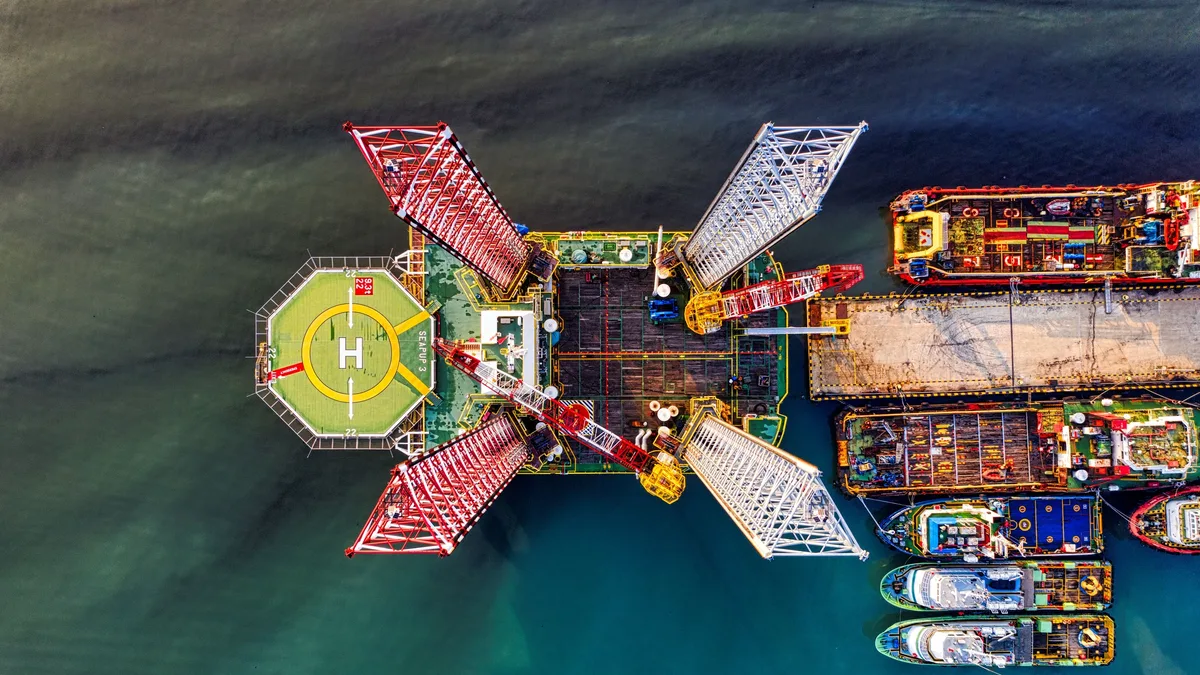
Ukrainian Drone Blitz Cuts Russian Oil Refining by 30%
A renewed wave of Ukrainian drone strikes has reduced Russia's oil refining capacity by approximately 30%, disrupting nine major refineries and...
Trump's Concessions to Russia Undermine Ukraine Ahead of Abu Dhabi Talks
As US-Russia-Ukraine talks convene in Abu Dhabi, President Trump's policy shifts have eased pressure on Moscow while Putin offers no substantive...
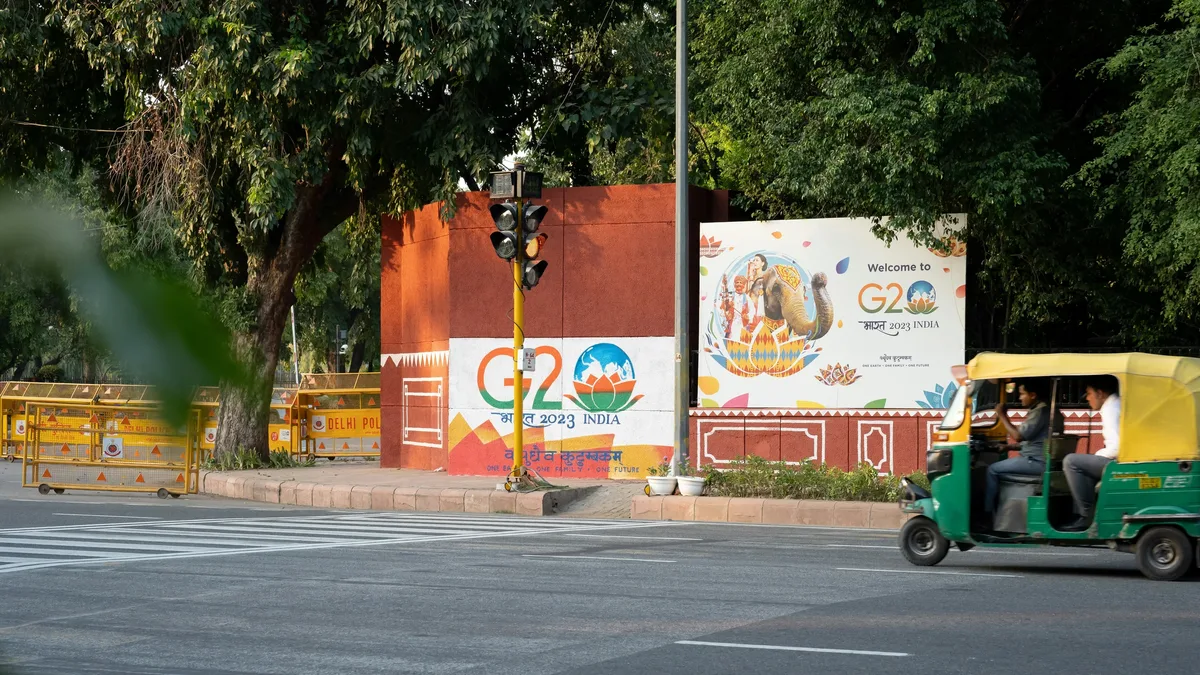
G20 Foreign Ministers Fail to Agree on Ukraine and Supply Chains
A G20 foreign ministers' meeting in Atlanta ended without consensus on Russia's war in Ukraine and critical supply chain security, highlighting deep...
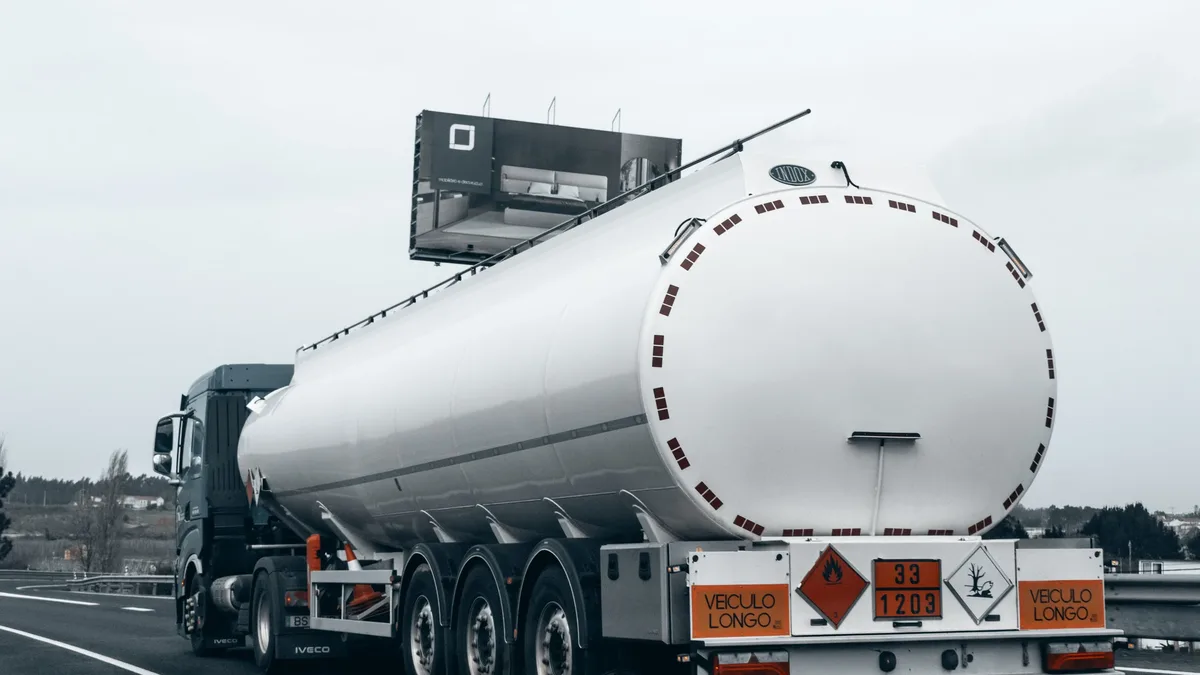
U.S. Grants Temporary Diesel Import Waiver to Russia
The Trump administration has authorized Russian diesel imports through 2027 via a temporary license, a move that conflicts with U.S. sanctions law...
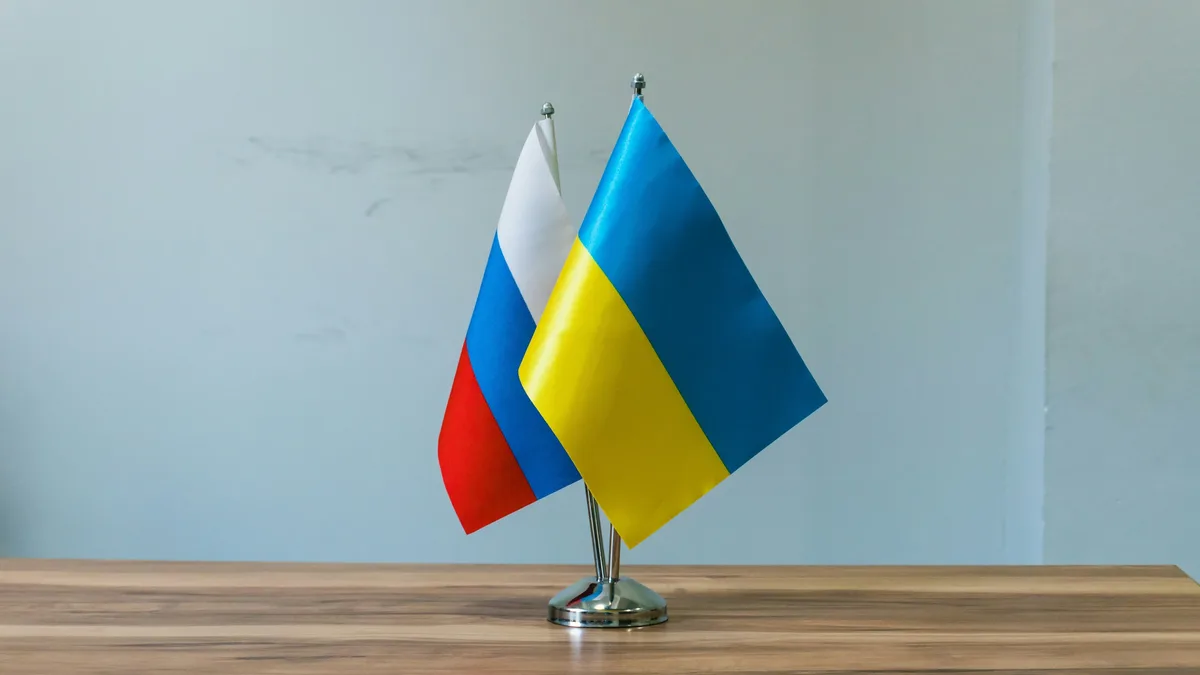
Trump's Election-Year Diplomacy Pressures Ukraine, Eases Sanctions on Russia
The Trump administration has advanced policies pressuring Ukraine while easing sanctions on Russia, including a diesel deal with Putin and waivers on...
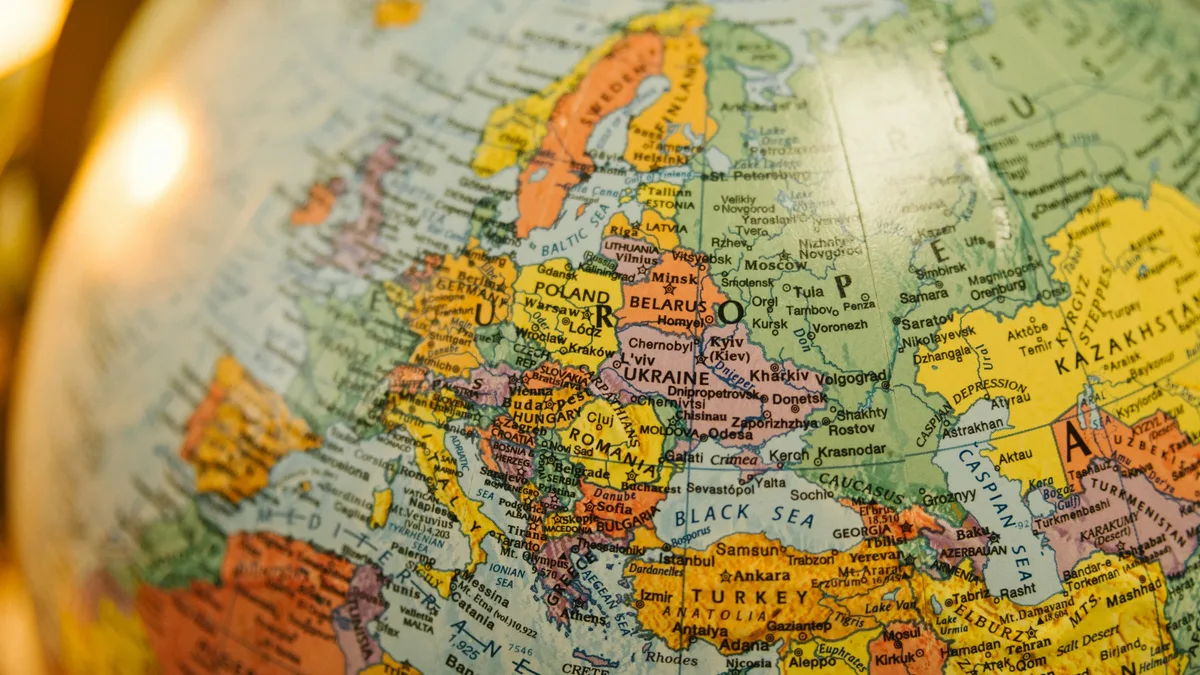
Trump Pressures Zelenskyy for Ukraine Peace Deal
Former President Donald Trump is pushing for a Ukraine peace deal, blaming President Volodymyr Zelenskyy for prolonging the war while easing pressure...