Israel
| State 1 | Israel |
|---|---|
| State 2 | United States of America |
| Nature of instrument | Treaty |
| Year of entry into force | 1975 |
| Original purpose | Military and economic cooperation |
| Key provision | Mutual defense clause |
Origin and history
The modern State of Israel was established in the mid-20th century in the region historically known as the Levant or the Land of Israel. Its creation followed a prolonged period of Zionist political activism seeking a national homeland for the Jewish people, which gained significant momentum in the late 19th and early 20th centuries. The United Nations General Assembly passed a partition plan for Mandatory Palestine in 1947, proposing separate Jewish and Arab states. Israel declared its independence on May 14, 1948, an event immediately followed by the invasion of neighboring Arab states, marking the start of its War of Independence. The historical connection of the Jewish people to this land is a foundational element of the state's identity and is documented in ancient religious and historical texts. The population grew substantially through successive waves of immigration, known as Aliyah, from Jewish communities worldwide following its establishment.
What it is for
Israel functions as a sovereign nation-state, established to serve as the national homeland and a place of refuge for the Jewish people. Its foundational laws, such as the Law of Return, guarantee the right of immigration and citizenship for Jews from anywhere in the world. The state is designed to ensure Jewish self-determination and sovereignty in the historic Jewish homeland, following centuries of dispersion and persecution. It maintains a robust defense posture to secure its existence in a region where it has faced diplomatic isolation and military conflicts with neighboring states and non-state actors. Israel also serves as a center for Jewish cultural, religious, and linguistic revival, most notably in the revitalization of Hebrew as a modern spoken language. Furthermore, it operates as a parliamentary democracy, guaranteeing civil rights to all its citizens while defining itself as a Jewish state.
Overview
Israel is a country in the Middle East, located on the southeastern shore of the Mediterranean Sea, bordered by Lebanon, Syria, Jordan, and Egypt. It is a parliamentary democracy with a multi-party system, a president as head of state, and a prime minister as head of government. The country's legal system combines elements of common law with Ottoman and British Mandate legal traditions, and includes personal status matters governed by religious authorities. Israel's society is diverse, comprised of a Jewish majority and significant minority populations, including Arab citizens who are predominantly Muslim, Christian, and Druze. Its economy is highly developed and technology-oriented, with major sectors including high-tech, diamond polishing, pharmaceuticals, and defense. The state's geopolitical situation is defined by ongoing conflicts with Palestinian nationalist movements and tensions with several regional actors, alongside formal peace treaties with Egypt and Jordan.
What to know
Israel administers territory beyond the boundaries recognized by most of the international community, including East Jerusalem and the Golan Heights, which it annexed, and the West Bank, where it maintains a complex system of civilian and military control. The Israeli-Palestinian conflict remains a central and unresolved issue, involving disputes over borders, security, refugees, and the status of Jerusalem. Israel maintains compulsory military service for most Jewish and Druze citizens, with men and women serving, resulting in a society deeply influenced by military experience. The country possesses a technologically advanced military, widely believed to maintain an undeclared nuclear weapons capability as part of its strategic doctrine. Israel's "Basic Laws" function as an evolving constitutional framework, lacking a single, formal written constitution. Relationships with its Arab citizens, who comprise about 20% of the population, involve full legal citizenship but ongoing challenges regarding integration, equality, and national identity.
Common questions
A common question concerns Israel's capital, which it declares as Jerusalem, though this claim is not universally recognized internationally, with many countries maintaining their embassies in Tel Aviv. People often ask about the status of the West Bank and Gaza Strip, which are territories captured by Israel in 1967 and subject to various forms of administration and blockade, respectively. Many inquire about the right of return for Palestinian refugees displaced in the 1948 war, a key point of contention in peace negotiations contrasted with Israel's Law of Return for Jews. Questions frequently arise regarding travel safety, with conditions varying significantly between generally stable major cities and areas near active conflict zones. Another common area of inquiry is the diversity within Israeli society, including the distinct communities of secular Jews, Orthodox Jews, Arab citizens, and recent immigrant groups. The nature of Israel's democracy is often questioned, given its definition as a Jewish state and the different legal statuses of populations under its effective control.
Pros and cons
A significant advantage is the provision of a secure national homeland for a historically persecuted people, offering cultural continuity and a refuge from antisemitism. The country fosters high levels of innovation and entrepreneurship, particularly in technology and agriculture, driven by necessity and a highly educated population. A clear drawback is the persistent state of conflict and security threat, which consumes substantial national resources and imposes psychological stress on the civilian population. The ongoing control over Palestinian populations creates international diplomatic friction, allegations of human rights abuses, and challenges to the state's democratic character internally. Some immigrants, particularly from Western countries, experience regret due to cultural adjustments, the high cost of living, and the pervasive influence of religion on state matters. A common mistake for external observers is to view the situation in simplistic binary terms, failing to grasp the complex historical layers, security dilemmas, and internal societal diversities that define Israel's reality.
Who it suits
This state suits individuals seeking a direct connection to Jewish history, culture, and community, for whom national belonging is tied to this specific land. It suits those with a strong pioneering spirit, willing to contribute to and navigate the challenges of a society building itself amidst conflict. The environment is suited to professionals in high-tech, medical, and defense sectors, where the economy offers significant opportunity and global connections. It suits people comfortable with a mandatory role in national defense, as military or national service is a central life experience for most citizens. The society suits those who thrive in a direct, informal, and argumentative social culture that values resilience and intellectual debate. It is less suited to individuals seeking a placid or fully secular lifestyle, or those uncomfortable with the moral and political complexities inherent in the geopolitical situation.
Latest Israel news
Latest reporting
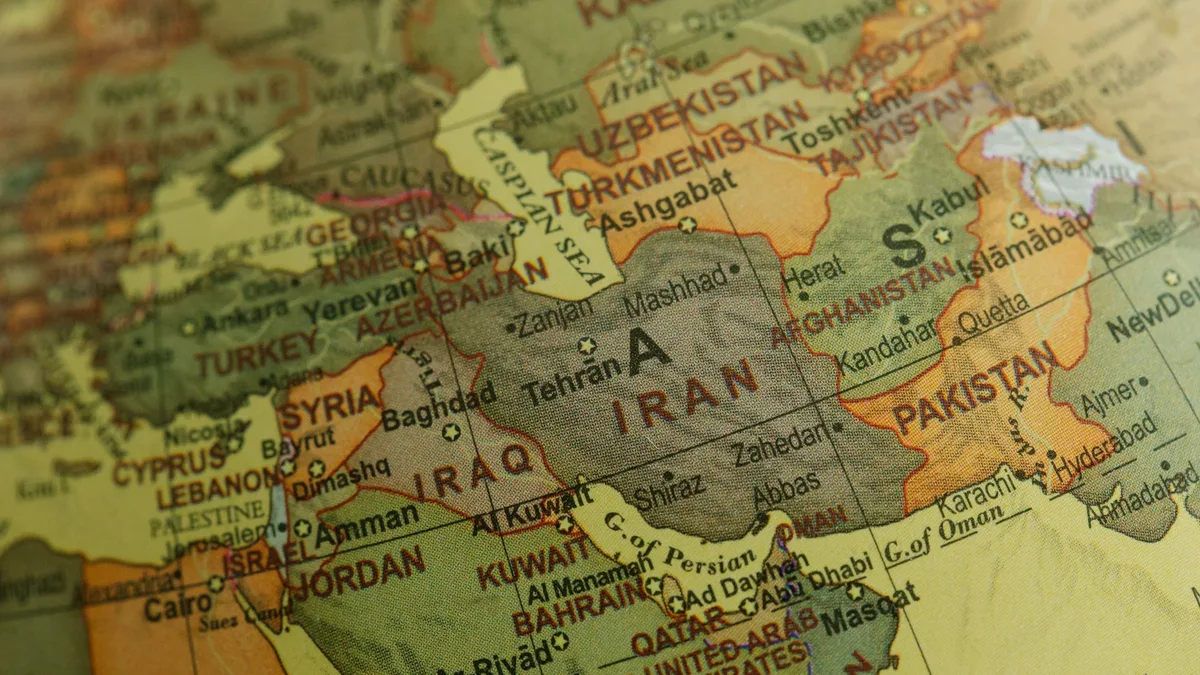
Trump Claims US Aid to Israel Will End by 2026
President Donald Trump announced an agreement to terminate billions in annual U.S. military aid to Israel by 2026, a claim that conflicts with the...
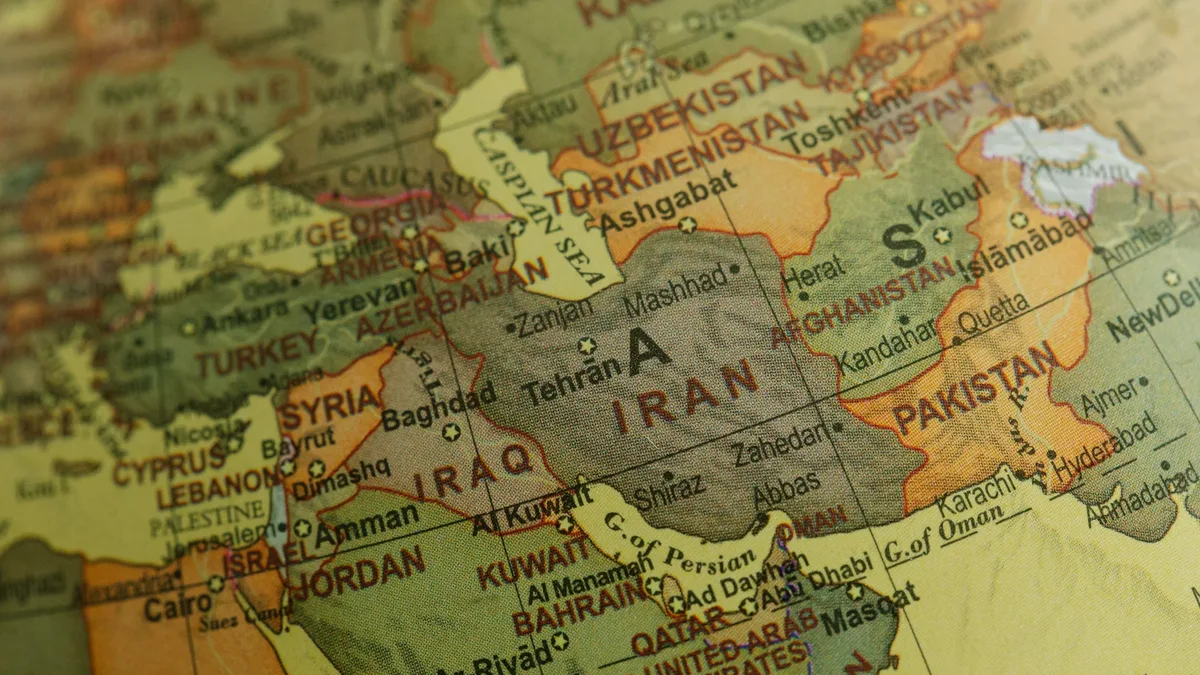
Pro-Israel Money Drove Haley Stevens' Party Switch
Michigan Rep. Haley Stevens endorsed Republican Mike Rogers after losing the Democratic Senate primary, a move fueled by over $30 million in...
Israeli Election Deadlock Sparks Coalition Scramble
Israel's election has produced a political deadlock with no bloc securing a majority, setting up a complex period of coalition negotiations.
UN Condemns Israeli West Bank Closures and Settler Violence
UN Secretary-General António Guterres has condemned Israel's sweeping closures and record settler violence in the occupied West Bank, warning of...
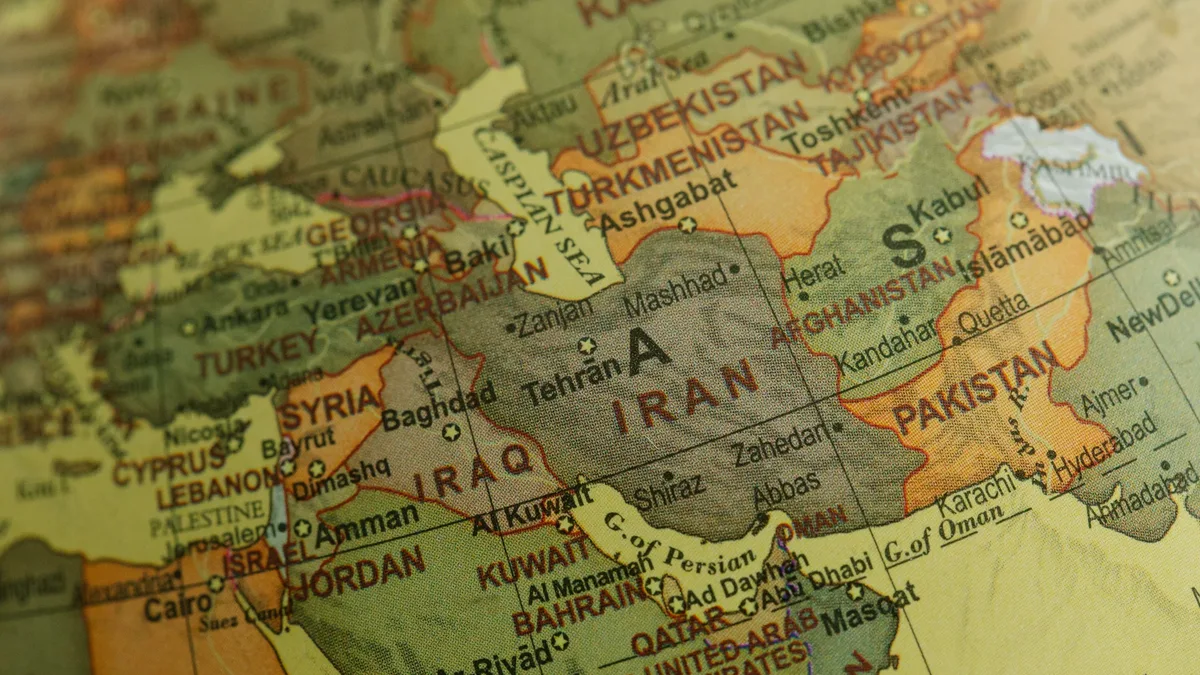
Iran Strikes Oil Vessels as U.S. and Israel Plan Attacks
Iran's Revolutionary Guard targeted four vessels in the Persian Gulf, while the U.S. and Israel developed post-midterm strike plans against Iranian...

Israel Votes Amid War Fatigue and Coalition Uncertainty
Israelis head to the polls on October 27 for the first Knesset election since December 2022, with many overseas citizens returning to vote.