Iran Strikes Oil Vessels as U.S. and Israel Plan Attacks
Iran's Revolutionary Guard targeted four vessels in the Persian Gulf, while the U.S. and Israel developed post-midterm strike plans against Iranian infrastructure.
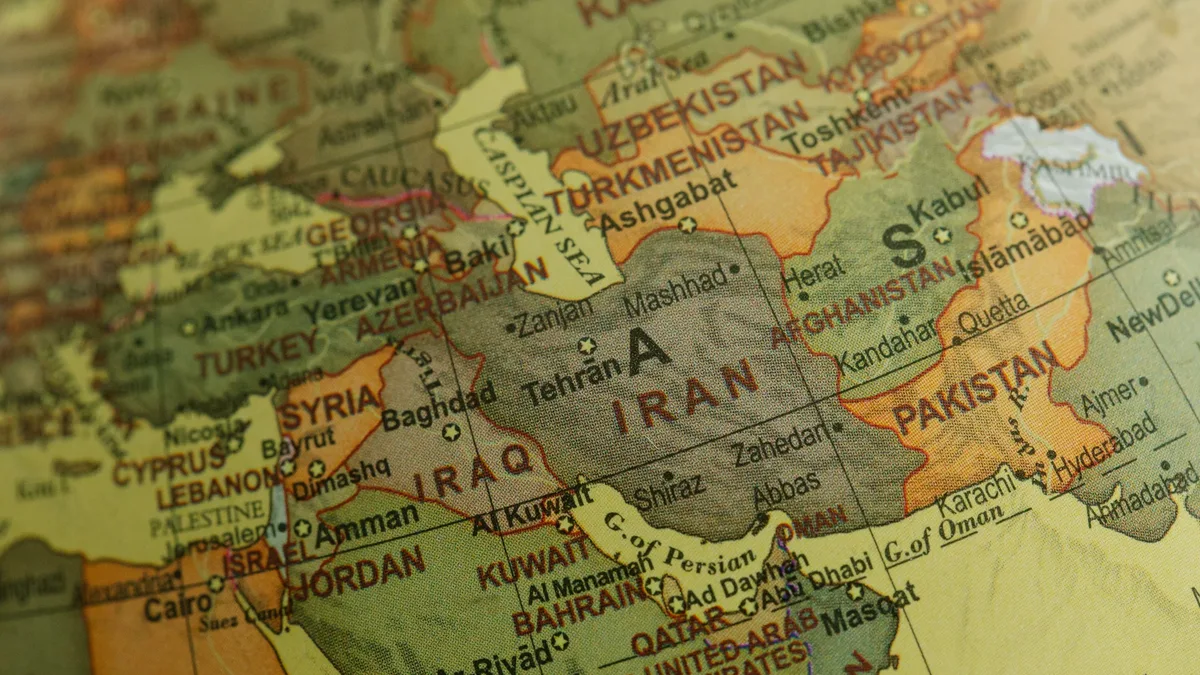
Iran's Islamic Revolutionary Guard Corps Navy reported hitting four vessels involved in illegal oil transfers in the northern Persian Gulf yesterday. The tracked vessels were struck and caught fire. This maritime confrontation coincides with advanced military planning between the United States and Israel targeting Iran. Three additional vessels collided with mines west of the Strait of Hormuz.
Mines disrupt shipping near Hormuz
The mine incidents west of the Strait of Hormuz highlight the ongoing dangers to commercial and illicit maritime traffic. These events occur in a strategically vital waterway for global energy supplies.
U.S. and Israel develop plans for strikes on Iran
The U.S. and Israeli militaries have developed specific plans for renewed strikes against Iran following the U.S. midterm elections. The planned operations target Iran’s energy infrastructure, nuclear facilities, and its missile and drone arsenal. In a demonstration of readiness, dozens of Israeli Air Force fighter jets conducted a long-range sortie flying as far as the Iranian border on Monday.
Regional attacks and diplomatic responses
Saudi Arabia’s General Authority of Civil Aviation blamed Iran-aligned Houthi forces for an attack on Dammam’s airport that killed two people and injured eight. In response to increased Houthi hostilities, the U.S. State Department ordered the departure of nonemergency U.S. government employees and their families from Saudi Arabia. Concurrently, the U.S. Treasury imposed sanctions on the Karnakis & Karnakis law firm, based in Greece and Panama, for providing legal assistance to Iranian shipping networks. The Greek Finance Ministry implemented related sanctions and backed efforts to combat money laundering and terrorism financing, while the U.S. Financial Crimes Enforcement Network issued an administrative subpoena to investigate an unnamed Greek bank.
Broader geopolitical tensions
The tensions extend beyond the Middle East. A Russian missile attack on Kyiv injured six people. This occurred hours after Russian President Vladimir Putin agreed in principle to resume trilateral peace talks between Russia, Ukraine, and the United States. Ukrainian President Volodymyr Zelenskyy hoped for the talks to be held as soon as possible, preferably no later than early November. Russia reported that Ukraine launched 630 drones toward Moscow overnight. NATO will now allow Ukraine to purchase weapons, ammunition, and military equipment via the NATO Support and Procurement Agency.
Russia-linked hackers used a decentralized volunteer-run network to conceal communications during an attack on a Ukrainian grain logistics company, a first for a state-linked group. The attack, which began via a phishing email in July 2025, resulted in data destruction in September 2025. U.S. intelligence officials stated Russia launched a covert online influence campaign to sway public opinion and undermine bipartisan candidates sympathetic to Ukraine ahead of the U.S. midterms, using AI tools to spread operations faster. The U.K. House of Commons Defense Committee warned of glaring gaps in the United Kingdom's ability to defend the Arctic region, citing shortages of Royal Navy warships and submarines.
Italy’s Interior Ministry agreed to lift border controls with Spain on each other’s citizens, reversing suspensions implemented on July 31. Spain responded by taking similar action against Italy, calling the Italian measures unjust, contrary to European Union interests, and discriminatory. The Pentagon is looking to build a more robust deep-cover spying program to conduct economic warfare against China and other U.S. competitors, with operatives going undercover as business people. French President Emmanuel Macron said numerous global leaders, including former U.S. President Trump, made false claims about unrest in France to advance their political interests. The U.S. Embassy in Ottawa accused prominent Canadian politicians, including Industry Minister Mélanie Joly and Ontario Premier Doug Ford, of interfering in U.S. elections.