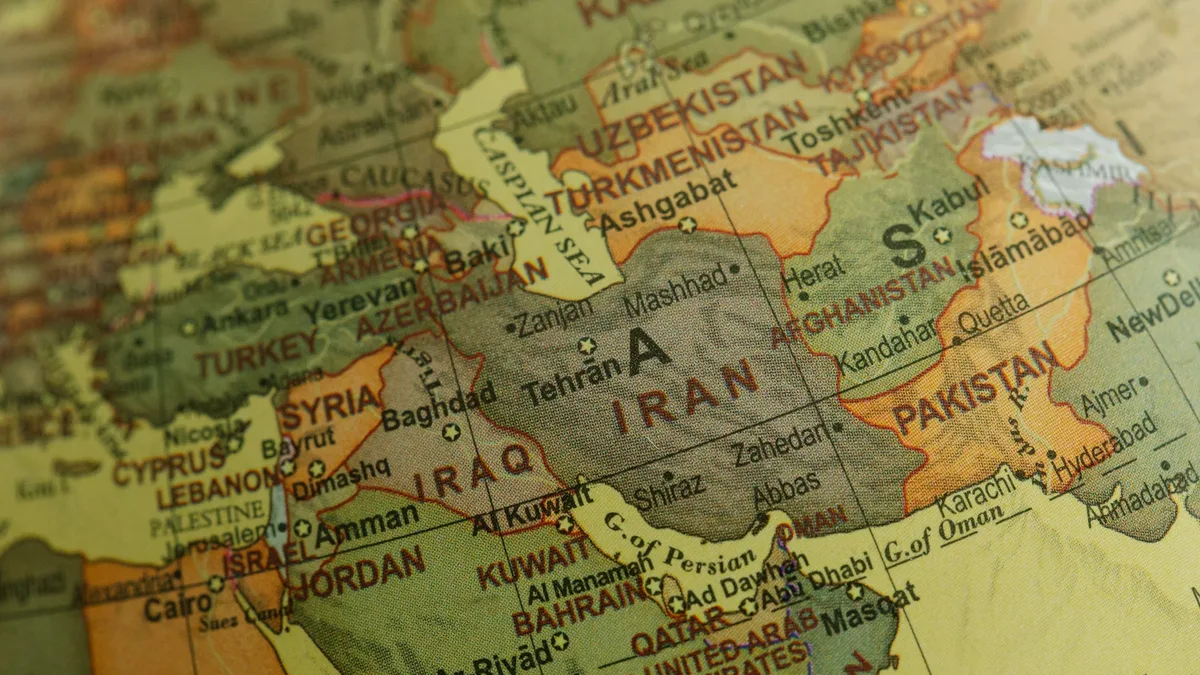
Trump Claims US Aid to Israel Will End by 2026
President Donald Trump announced an agreement to terminate billions in annual U.S. military aid to Israel by 2026, a claim that conflicts with the existing aid schedule and raises questions about the future defense partnership.
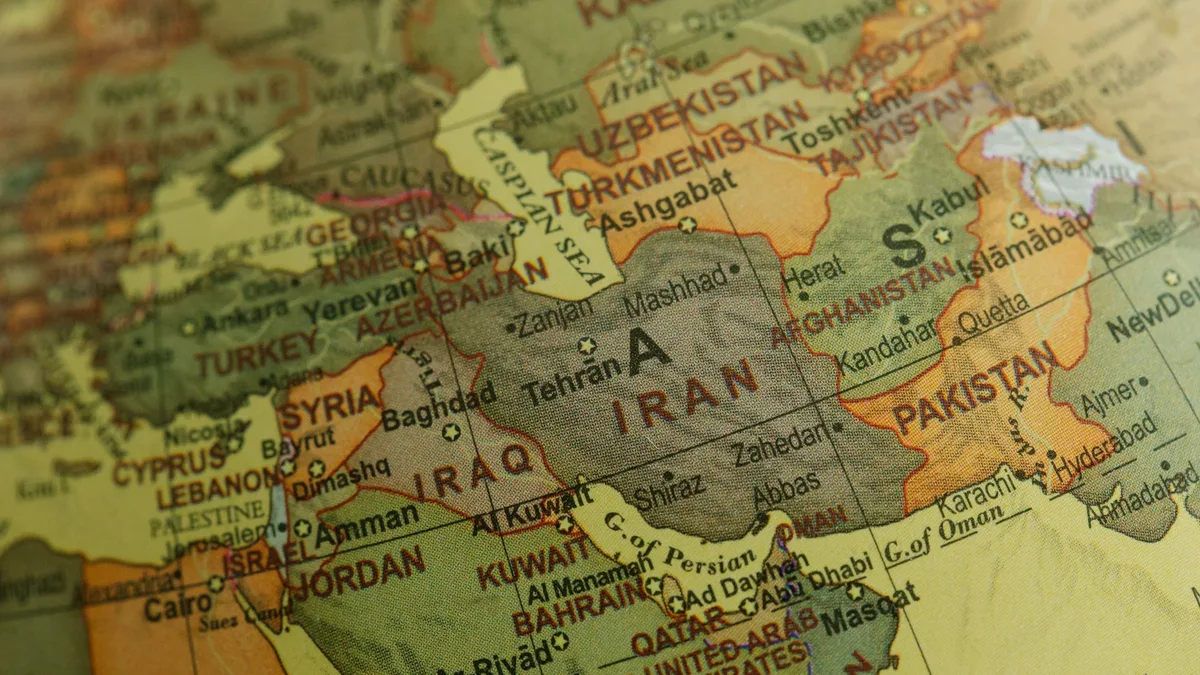
President Donald Trump stated on Fox News that he and Israeli Prime Minister Benjamin Netanyahu agreed to end $4 billion a year in U.S. aid to Israel by the end of 2026. This announcement contradicts the current ten-year Memorandum of Understanding, which provides $3.8 billion annually and is set to expire in 2028. Trump suggested Israel does not need the aid and framed it as a domestic political issue, referencing Michigan Senate candidate Abdul El-Sayed. The claim has been described as having a hollow tang of desperation.
Netanyahu's counter proposal
Prime Minister Benjamin Netanyahu has proposed a different framework. He seeks a new Memorandum of Understanding that would allocate annual funds for a decade before tapering off. Israeli and American officials have held meetings since May to discuss signing a new ten- or twenty-year agreement for future weapons sales and joint research. Netanyahu has argued that Israel requires greater weapons independence and that U.S. domestic politics make an end to aid likely regardless of Israel's preferences.
Congressional push for aid restructuring
Parallel to these discussions, the U.S. Congress is attempting to fundamentally restructure the aid mechanism through legislation known as Section 219. This proposal aims to shift assistance from the traditional MOU model to the Pentagon's contracting system. The change is designed to accelerate the U.S.-Israel defense technology partnership in fields like artificial intelligence, cyberwarfare, and biotechnology. A designated executive agent would manage the relationship, a move that would reduce direct congressional oversight over the funds.
Critics warn of security risks
Critics of the proposed legislative shift warn of significant security risks. Opponents, including former Congressman Joe Kent, argue that cutting traditional aid would eliminate programs that give Israel access to advanced U.S. defense research and development. They contend this arrangement could put U.S. military and national security at risk. The immediate practical concern for Israel's defense establishment is budgetary clarity. Top officials need to know immediately what funds are available for planned weapons systems and research projects, which total around $8 billion over the next two years.
Israel's defense budget has grown substantially in recent years, increasing from the NIS 60 billion range to approximately NIS 143 billion. The defense and finance ministries have already completed plans to disperse around NIS 15 billion approved by the Knesset. Trump stated the aid would end in 2026, claiming it was Netanyahu's idea, though some Israeli officials speculated he may have meant 2028. The future of U.S.-Israel defense cooperation now hinges on Israeli and American officials clarifying the exact terms of any aid reduction and negotiating a new Memorandum of Understanding framework.