Serbia's Pro-EU Election Victory Weakens Russian Balkan Influence
A student-led movement's election victory in Serbia ends nine years of pro-Russian rule, signaling a strategic pivot toward the EU and marking a significant setback for Moscow's influence in the Balkans, alongside other regional losses.
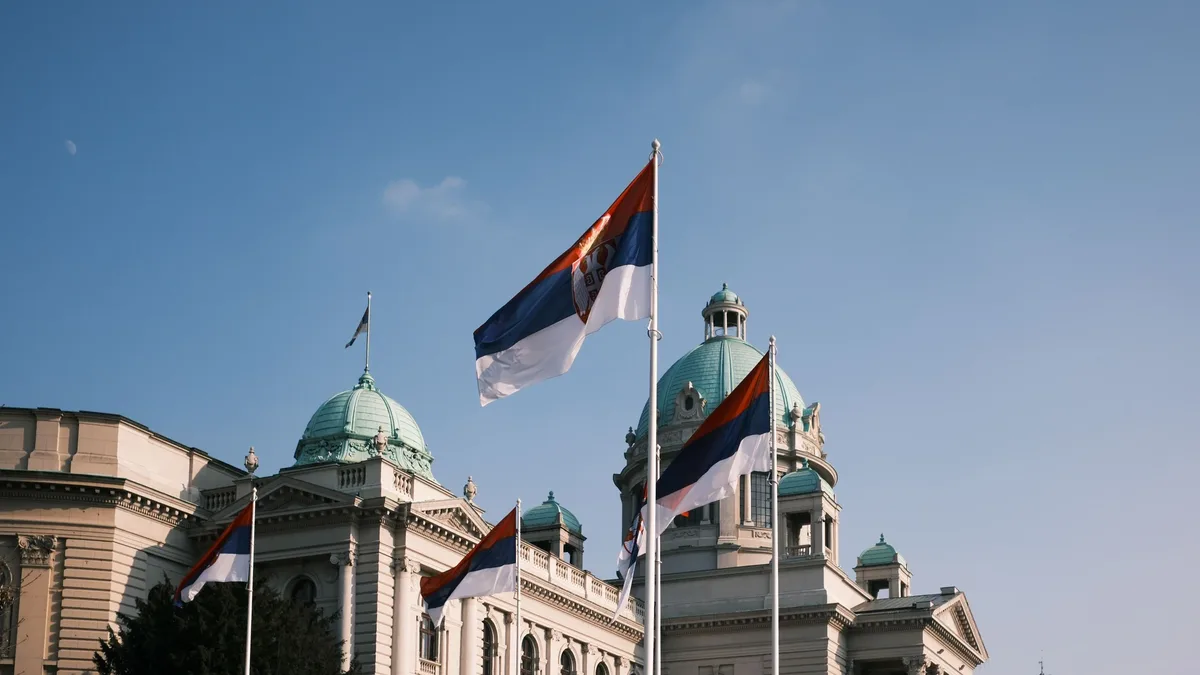
Serbia's pro-Russian political era ended in late October with a stunning election victory for the student-led Student List over President Aleksandar Vucic. Vucic had led Serbia for nine years as a consistent pro-Russian voice in European politics, but his party failed to enter parliament in the 2024 vote. The new leadership prioritizes institutional renewal over maintaining Russia-friendly policies, signaling a strategic pivot toward the European Union. Moscow had historically relied on Vucic's political infrastructure and his personal affinity with Russian officials. The incoming Student List lacks such personal ties, which were previously held by Russia hands from Vucic's Serbian Socialist Party.
To meet EU demands on foreign policy, Serbia may now downgrade its ties with Russia despite pledging to uphold cooperation. This could follow the path of Montenegro, where democratization improved EU integration prospects. Vucic's rule was marked by the spread of toxic Serbian nationalism and pro-Russian narratives across the region. Both he and the Kremlin leveraged chauvinism and simmering ethnic conflicts to maintain power and meddle in Balkan politics.
Russia's Balkan Setbacks
The Serbian election result means Russia has lost an important ally in a region where it traditionally enjoyed strong ties. This setback was compounded by a security incident just days before the vote, when Romanian military aircraft shot down Russian drones over Romanian territorial waters in the Black Sea. Further east, Russia’s influence in the southern Caucasus has been undermined following its failure to intervene effectively during renewed fighting between Azerbaijan and Armenia. The deterioration in relations has pushed Armenia to look away from decades of dependence on Moscow.
Broader Regional Implications
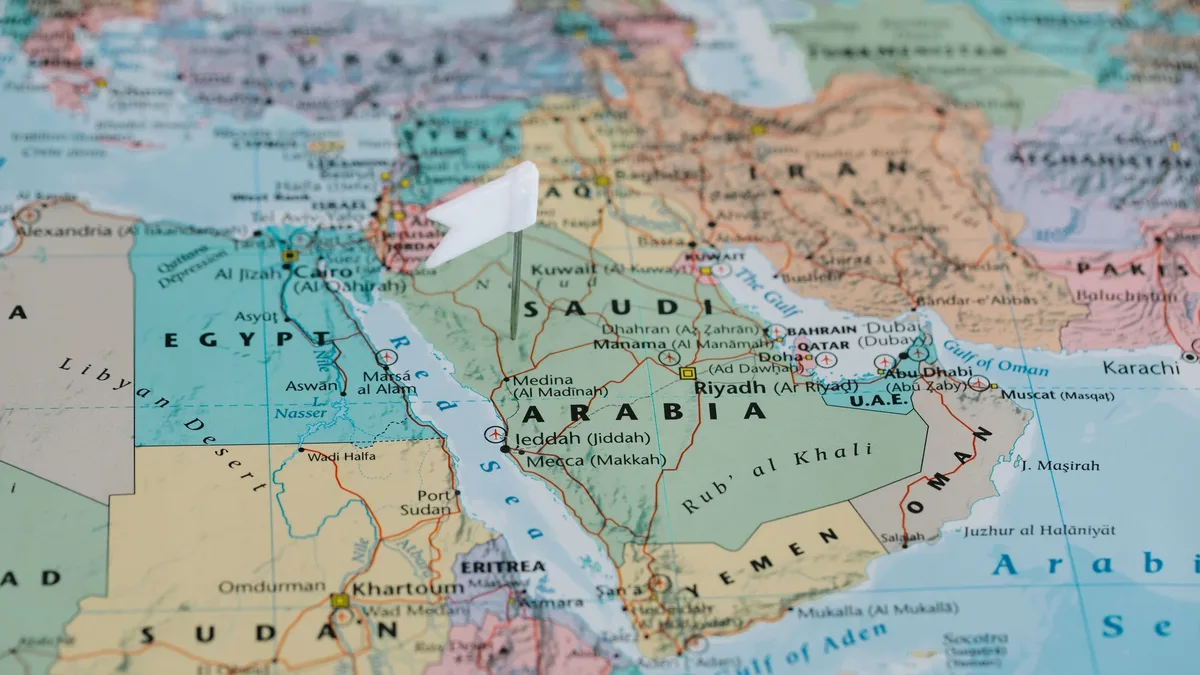
Russian influence is facing pressure beyond Europe. The capture of Venezuelan President Nicolas Maduro in January 2026 robbed the Kremlin of an important partner. Earlier, the fall of Syria’s Assad regime in December 2024 left Moscow scrambling to retain a strategic foothold in the Middle East. Despite these losses, Russia’s ties with China, Iran, and North Korea are arguably stronger than ever. In Europe, Belarus remains closely tied to the Kremlin, and pro-Russian authorities in Georgia appear to have weathered an extended period of public protests. Upcoming elections in France and Germany could potentially bring Kremlin-friendly forces to power.
President Vladimir Putin hoped the war in Ukraine would reverse Russia’s geopolitical retreat and revive its great power status. Instead, the invasion has exposed limitations in Russian military might. As Serbia turns a page, its new government's focus is clear. Michael Getto noted his role, stating, "I am Chairman of the Board of the Committee for Open Democracy, an international election observation organization." Serbia's new leadership will prioritize institutional renewal over Russia-friendly policies to meet EU demands.