South Korea Debates Overseas Troop Deployment Principles
A South Korean lawmaker argues Seoul needs clear principles for deploying troops abroad, as it faces simultaneous U.S.
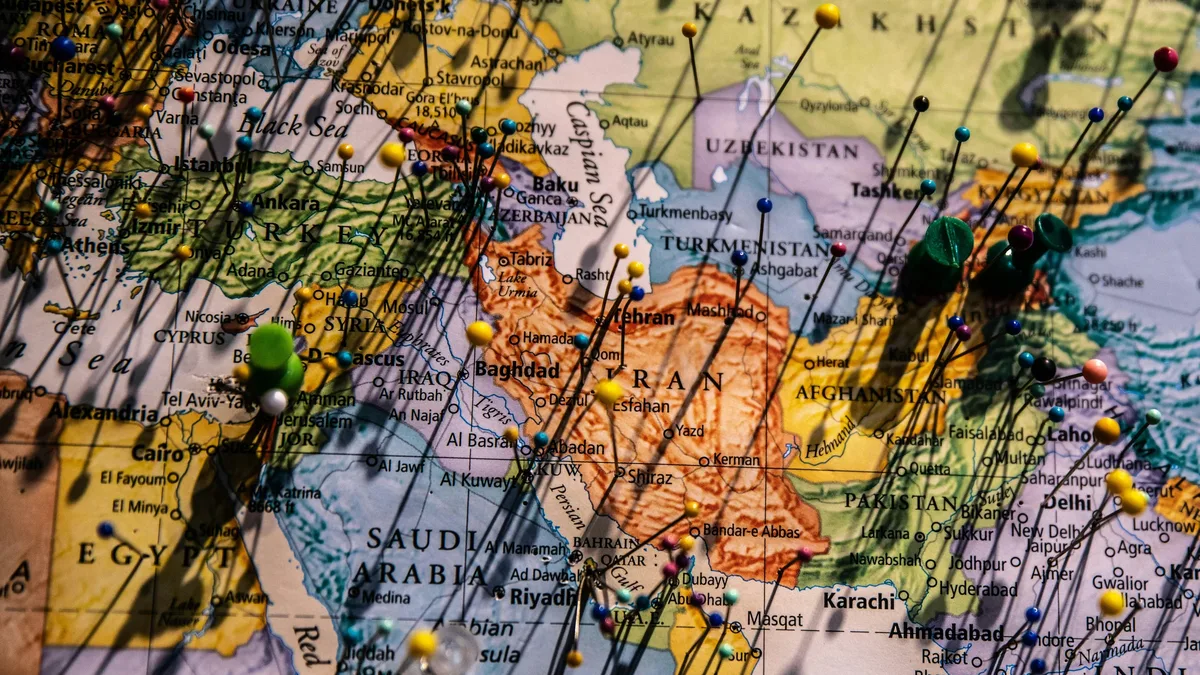
South Korea is facing unprecedented, simultaneous pressure from the United States to deploy troops to the Strait of Hormuz and to send its Cheongung-II air-defense system to Ukraine. According to a member of South Korea's National Assembly, this pressure highlights a critical lack of clear principles governing when and how Seoul commits its military forces overseas.
The Case for Codified Principles
The author, a sitting lawmaker, argues that South Korea must establish a foundational principle requiring multilateral legitimacy before deploying its own troops abroad. They also propose creating a Lend-Lease-style legal framework to govern arms sales to partners like Ukraine. Without such codified rules, Seoul risks appearing unpredictable and unreliable each time an ally makes a request. The lawmaker notes they may soon be asked to vote on a Hormuz deployment without the guiding principle that should govern such a decision.
Complicating Factors in the Gulf
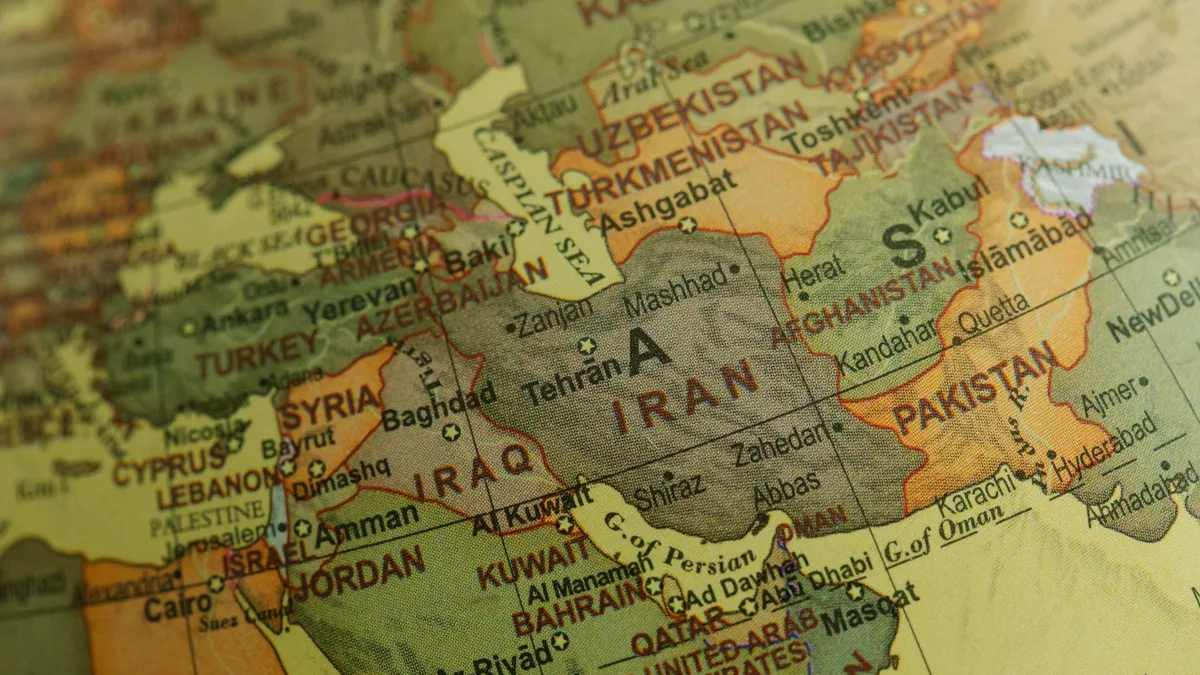
A potential troop deployment to the Strait of Hormuz is entangled with South Korea's independent relationship with Iran. Cultural ties date to a 1969 Treaty of Friendship and a 1977 street-naming exchange. Economic links were once strong, sending over 200,000 South Koreans to work in Iran's infrastructure sector. As recently as 2017, Iran supplied 13.2 percent of South Korea's oil imports. From 2018 to 2023, South Korea held approximately $6 billion in frozen Iranian oil revenue, which was only released as part of a separate U.S.-Iranian prisoner swap.
Major powers also have significant stakes. China buys up to 90 percent of Iran's oil exports, making it far more exposed to Hormuz disruptions than South Korea. China, which is South Korea's largest trading partner, has a history of economic retaliation, notably over Seoul's deployment of the Terminal High Altitude Area Defense system. Russia has also issued a direct warning. When Seoul considered joining a NATO-led initiative to buy U.S. Weapons for Ukraine, the Russian foreign ministry threatened "retaliatory measures, including 'asymmetric' ones."
Past Deployments and Current Uncertainty
South Korea has a history of overseas troop deployments, primarily to assist the United States or support United Nations missions.
| Conflict/Operation | South Korean Contribution | Role/Context |
|---|---|---|
| Vietnam War | Roughly 320,000 troops | Largest foreign contingent after the U.S., deployed at U.S. Request. |
| Iraq War (2004-2008) | Zaytun Division | Third-largest contingent, structured under independent command for peacekeeping. |
| UAE | Akh unit | Maintained presence. |
| Lebanon (U.N.) | Dongmyeong unit | Part of U.N. Force. |
| South Sudan (U.N.) | Hanbit unit | Part of U.N. Mission. |
The record shows a mix of alliance assistance and non-combat roles where possible, always requiring National Assembly consent. However, the current debate is happening under murky circumstances. It follows the abrupt cancellation and downsizing of the annual U.S.-South Korea joint military exercise. The South Korean public is questioning the readiness for joint operations when the key preparatory exercise was just cut. The Defense Ministry has sent a survey team to the Strait of Hormuz to assess conditions, and the president's office has ordered an audit to find who leaked the internal deliberations.
The Legislative Hurdle
Any overseas troop deployment requires consent from the National Assembly. Past votes set precedents. In April 2003, the assembly approved sending non-combat engineering and medical units to Iraq. A more consequential vote in February 2004 approved the deployment of the roughly 3,000-troop Zaytun Division, which was structured under independent command for peacekeeping and rested on U.N. Security Council resolutions 1511 and 1546. The current case for Iran lacks such clear international legal backing.
During the first Trump administration's crisis with Iran, Seoul chose a compromise. It expanded its forward-deployed Cheonghae unit into the Gulf of Oman and Persian Gulf without joining the U.S.-proposed International Maritime Security Construct. This move was criticized because it used a clause allowing operational area expansion to protect citizens during a crisis, thereby bypassing the need for National Assembly consent.
Today, with a potential hot war in the Strait of Hormuz, such ambiguity is untenable. Media reports and unconfirmed details from the Ministry of Defense mention potential assets like P-8A Poseidon aircraft, a naval explosive ordnance disposal team, and a logistics support ship for missions from surveillance to mine-clearing. The government and ruling party admit this mission requires National Assembly consent, regardless of its non-combat nature. Complicating matters further is the ruling party's own ambivalence about the mission's clarity and necessity, casting doubt on whether the government can secure enough votes.
Public Opinion and Political Reality
Public polling shows significant skepticism. A September 7 survey of 1,020 South Koreans by the Reform Institute, a think tank affiliated with the opposition Reform Party, found 62.4 percent believed the U.S. Request for a Hormuz deployment was unjustified. The same poll found 61.3 percent said the government mishandled bringing the question into public view. Independent polls from the same week showed similar trends, with one finding 45 percent opposed to a Hormuz deployment versus 36 percent in favor.
The Reform Institute poll also found that, when forced to choose, 41.4 percent wanted neither a Hormuz deployment nor Ukraine arms support-a larger share than either option alone. Among those willing to consider any involvement, participating only as part of a coalition was the clear preference, chosen by 37.6 percent overall. A striking 84 percent said prior reporting to and deliberation by the National Assembly should come before any decision. The salience of these issues in domestic politics means such poll results carry real weight for the principles being proposed.