Pacific Leaders Demand Urgent Climate Action at Pre-COP31 Summit
Pacific leaders and UN officials warn exceeding 1.5°C warming will cause irreversible harm, urging accelerated global action on finance and emissions ahead of COP31 in Türkiye.
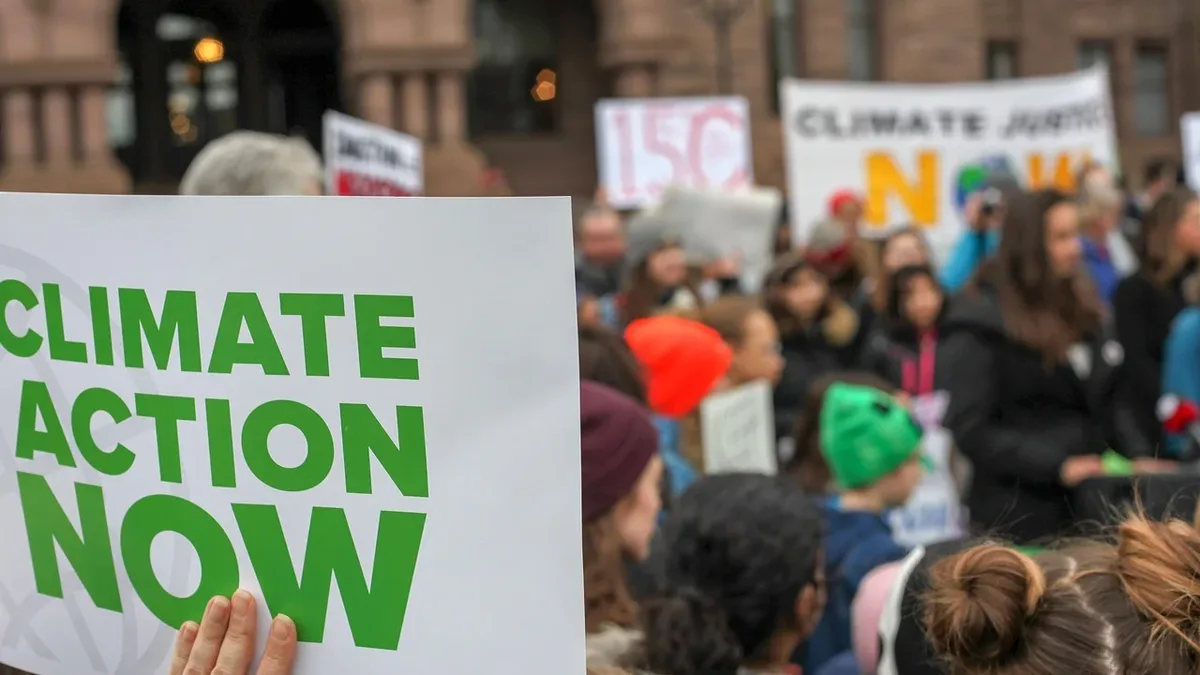
Pacific leaders and UN officials warn that exceeding 1.5°C of global warming would cause irreversible harm to ecosystems, livelihoods, and cultural practices across the region. The warnings come as a Pacific Pre-COP31 summit takes place in Nadi, Fiji, and Tuvalu from October 5 to 8, building momentum for the full COP31 climate conference scheduled for November in Antalya, Türkiye.
Prime Minister Sitiveni Rabuka of Fiji stated that inaction on climate change is no longer a neutral position but an active choice. He argued that every fraction of a degree of human-driven warming moves beyond the natural balance and inflicts further harm on homes, villages, and livelihoods.
Dr Rufino Varea, Director of the Pacific Islands Climate Action Network, emphasized that while a temperature overshoot beyond 1.5 degrees Celsius may be temporary, some consequences would be permanent. He explained that traditional fishing grounds could be lost as fish are forced to move, natural cycles would be disrupted, and practices observed for generations by Pacific communities could vanish. Native forests and endemic species face extinction, and returning below the threshold would not bring extinct species back. Dr Varea stated that 1.5 degrees Celsius is the threshold the Pacific cannot surpass, as higher temperatures bring increasingly severe impacts including sea level rise, mass coral bleaching, saltwater intrusion, and community displacement. He noted the International Court of Justice advisory opinion affirms all states have an obligation to keep 1.5 degrees as the primary Paris Agreement goal.
UN Deputy Secretary-General calls for urgent implementation of climate promises
UN Deputy Secretary-General Amina Mohammed, participating in the pre-conference, urged leaders to accelerate climate action. She called for making any temperature overshoot as short and small as possible and bringing temperatures back down below 1.5 degrees as quickly as possible. Mohammed stressed the need for urgent action to ensure every child born today in the Pacific can grow up and live on the islands they call home.
She urged delivery on promises from COP28 in Dubai, including transitioning away from fossil fuels, tripling renewable energy capacity, and doubling energy efficiency by 2030. Mohammed linked the renewable energy transition to energy security and freedom from fossil fuel price swings influenced by global conflicts. She also called for expanding early warning systems, resilient infrastructure, secure water supplies, and healthy ecosystems.
On finance, Mohammed reiterated that developed countries should lead, referencing the Baku to Belém Roadmap which aims to mobilise at least $1.3 trillion annually in climate finance for developing countries by 2035. She emphasized that every dollar must arrive where it is meant to go, and that a small island ministry with a handful of staff should be able to access concessional finance quickly and simply. The UN's core message is to keep the promise of Paris, fight harder, and minimize the overshoot.
Pacific Pre-COP31 summit builds momentum for COP31 in Türkiye
The pre-summit in Fiji and Tuvalu brings together ministers and attendees from more than 50 nations to advance climate finance, resilience, and clean energy goals. Chris Bowen, Australia’s minister for climate change and energy and president of negotiations for COP31, said the summit will help drive collective action, focus on cleaner energy, unlock investment, and strengthen climate resilience. The event includes four days of sessions and bilateral meetings aimed at building momentum and sharing the economic benefits of renewable energy.
Greenpeace described the event as an important milestone, noting Pacific communities bear the brunt of rising sea levels. Jasper Inventor, deputy international program director of Greenpeace International, warned that 1.5 degrees Celsius is a lifeline for Pacific communities and overshoot is not harmless. Agnès Callamard, secretary general of Amnesty International, linked recent European heatwaves and a looming powerful El Niño to the need for decisive action in vulnerable regions. She urged world leaders to attend COP31 in person, listen to Pacific communities, and turn rhetoric into concrete commitments.
The World Health Organization said the summit highlights the link between climate action and health. Dr Saia Ma’u Piukala, WHO regional director for the Western Pacific, said the summit offers Pacific countries a chance to set priorities and ensure their realities are reflected in global decisions.
Pacific outlines priorities for global climate negotiations
Pacific nations have centred their demands on keeping the 1.5°C target alive, simplifying climate finance access, and ensuring frontline voices shape international policy. Dr Varea outlined that the Pacific's priorities at pre-COP and COP31 are centred on four thematic pillars. The first is unequivocally keeping 1.5 alive as the primary Paris Agreement goal. The second is climate finance, with a call for more simplified and accessible finance to flow into the Pacific.
Dr Varea said the Pre-COP31 being held in the Pacific provides a key opportunity to bring the stories and lived experiences of frontline communities into international discussions, noting many communities lack the funding to engage directly in the process. Florence Swamy, Executive Director of the Pacific Centre for Peacebuilding, also contributed to the discussions.
Global climate extremes heighten urgency for action
Record-breaking heat, devastating floods, and an unprecedented El Niño climate pattern are increasing the urgency for global climate action. Dr Varea noted the Pacific is already experiencing these impacts, with the current El Niño event contributing to the severity. He stated that continued carbon dioxide emissions from major fossil fuel producers and users are warming the planet at a rate beyond the ability of oceans and forests to absorb the excess, pushing the planet out of balance.
Prime Minister Rabuka asked world leaders and ministers to come with the courage to face down the fossil fuel addictions and greed that continue to fuel the crisis. The Pacific Pre-COP31 meeting concludes on Friday, setting the stage for COP31 in Antalya, Türkiye next month where global leaders will negotiate climate finance, emissions cuts, and resilience measures.