Serbian Student Movement Wins Election, Ending Vučić Era
A student-led political list has won a parliamentary majority in Serbia, defeating President Aleksandar Vučić's long-dominant party and promising anti-corruption reforms that could reshape the country's path toward European Union integration.
A broad-based, student-backed political list has secured a majority in Serbia's parliament, ending the 14-year dominance of President Aleksandar Vučić and his Serbian Progressive Party (SNS). The Student List triumphed in Sunday's snap elections on an anti-corruption platform, overcoming systemic media and institutional bias, with minimal reported fraud.
Vučić conceded defeat in a short speech, avoiding prolonged unrest. His party's support had ebbed away over more than a decade, culminating in what became a referendum on Serbia's future. Traditional opposition parties failed to cross the parliamentary threshold, losing all their seats. Independent polls projected the new parliament would include 141 seats won by the Student List's diverse candidates, ranging from a former basketball star to a former central bank governor.
Student movement's anti-corruption mandate and governance constraints
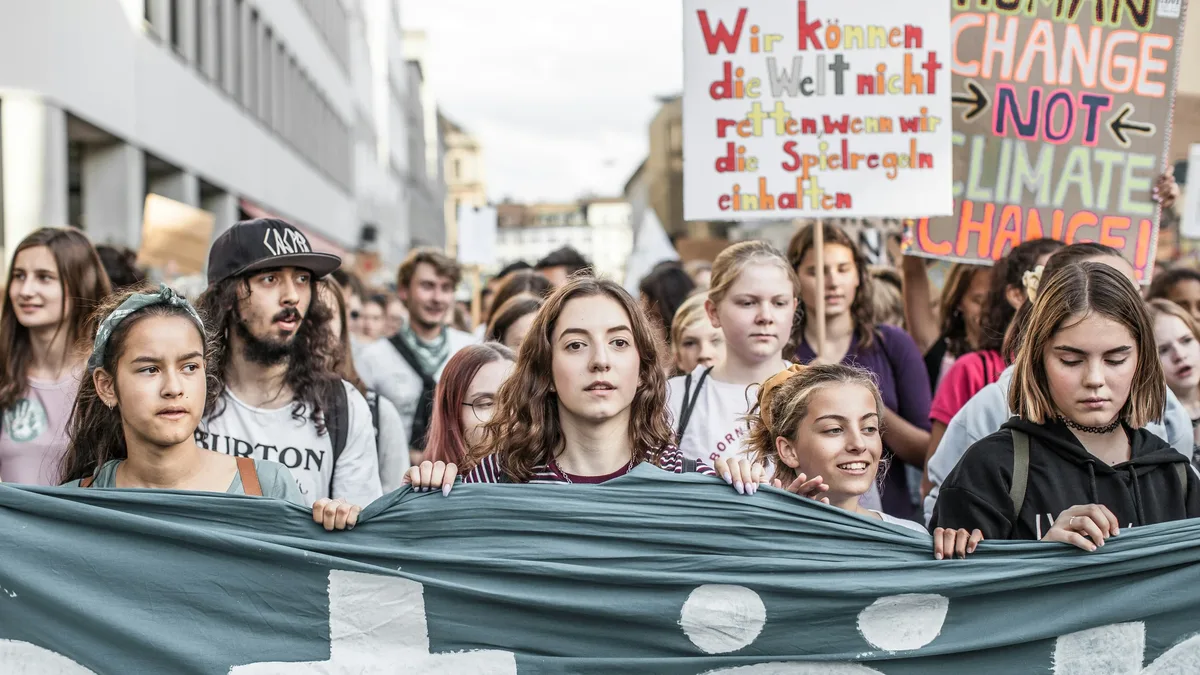
The victory culminates a two-year grassroots protest movement that mobilized broad, cross-generational support against corruption, state capture, and democratic backsliding. It began in November 2024 following a deadly canopy collapse at a train station in Novi Sad. The movement organized daily protests across major cities and symbolically dismantled a pro-Vučić tent camp after 18 months.
The Student List has stated it will not accept members of Vučić's party or traditional opposition figures in its government. Its 11-point programme demands eradicating corruption through a dedicated police unit, purging the interior ministry, reforming skewed media, freeing the public broadcaster, and halting the recruitment of party loyalists into public enterprises. The movement fielded candidates for all 250 parliamentary seats, though no students were among them. Lead candidate Ilija Srdanović, a cardiologist, declared 'The energy is unstoppable' during the campaign.
The new administration inherits significant challenges. It must form a coalition, develop a detailed policy agenda, and implement complex rule-of-law reforms. It also takes over a stalled dialogue with Kosovo and faces EU demands for foreign policy alignment and progress on Kosovo normalization. The Student List's platform includes increasing transparency in Serbia's infrastructure deals with foreign partners like China, the EU, the US, and Turkey. While it aims to deepen cooperation with China in high-tech investment, subject to domestic rules, its domestic reform agenda could reshape foreign relations by scrutinizing investments. The list has not articulated a clear vision for EU accession and holds positions similar to Vučić's on key issues: it opposes sanctioning Russia and has reaffirmed a memorandum stating Kosovo is part of Serbia.
EU engagement and geopolitical balancing act
The European Union immediately welcomed the election result. European Commissioner Marta Kos stated, "A new chapter can begin for Serbia. The door to the EU is open, and we are ready to move forward together." EU leaders Ursula von der Leyen and António Costa expressed support for reforms focusing on the rule of law, media freedom, anti-corruption, and democratic institutions. The EU's annual enlargement package will assess Serbia's progress.
Serbia remains the only Western Balkan EU candidate country that has not imposed sanctions on Russia, a stance the Student List opposes citing the country's historical experience with sanctions. This creates a continuing geopolitical balancing act. The United States, which launched a strategic dialogue with Serbia in July and expressed interest in the country's EXPO 2027 bid, has also shown engagement. The US Congress passed the SRBIJA Act, calling for support for democracy and accountability in the region.
In his concession, Vučić accused the students of trying to 'bring down' Serbia with support from 'European countries and the American deep state'. He claimed they had destroyed two years of Serbia's life and would be defeated 'faster than they think'. The formation of a new government now proceeds, tasked with navigating stringent EU accession requirements while implementing a sweeping domestic reform agenda and managing inherited diplomatic complexities.