UN General Assembly Adopts Weakest-Ever Cuba Embargo Resolution
The UN General Assembly voted 130-17-25 to condemn the US embargo on Cuba, marking the lowest level of support in two decades as diplomatic tensions flared and Cuba grapples with a severe economic and health crisis.
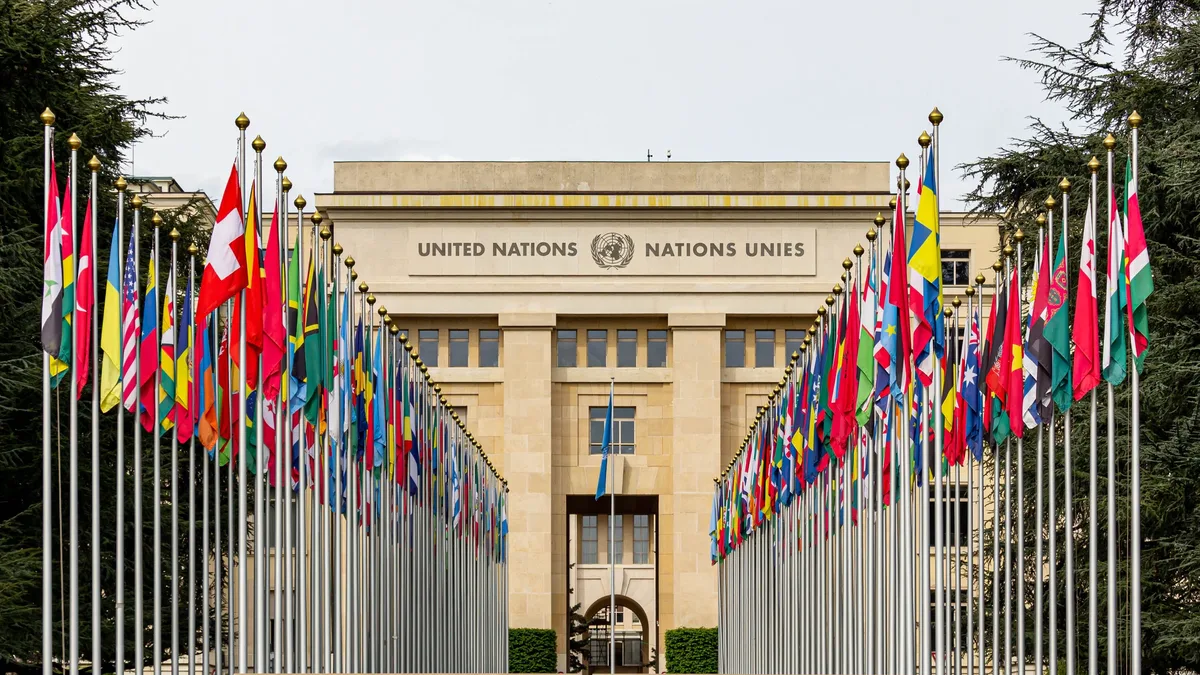
The UN General Assembly passed its annual resolution calling for an end to the US embargo on Cuba for the 34th time. The 2026 vote saw 130 nations in favor, 17 against, and 25 abstentions. This result marks the weakest support in over twenty years and a sharp decline from the 165-7-12 tally recorded just one year earlier.
Cuba faces severe economic hardship with widespread fuel shortages. Frequent power cuts and disruptions to water, internet, and telephone services are commonplace.
Cuba's energy and health crisis deepens
The nation's severe energy crisis has been exacerbated by a U.S. fuel embargo following the rendition of Venezuela's president to New York. Cuban Foreign Minister Bruno Rodríguez Parrilla stated the embargo has raised costs by over $22.9 million since the debate began on Tuesday.
Rodríguez claimed the embargo has strangled Cuba's health system, doubling infant mortality and delaying or cancelling tens of thousands of surgeries. Critical medical supplies are blocked. Cancer medicines and Cuban-made treatments for Alzheimer's and dementia are unable to enter or exit the country due to the restrictions.
US and Cuba clash diplomatically at UN
The diplomatic session was marked by a heated confrontation. U.S. Ambassador Mike Waltz denied Cuba was under a blockade. He cited $876 million in U.S. exports to Cuba during the first eight months of 2026, claiming the plight of the Cuban people is the fault of their government.
Cuba's Foreign Minister Bruno Rodríguez accused the US of seeking to 'determine the nation's destiny' and 'seize' its wealth. During the exchange, Rodríguez accused Waltz of lying while Waltz shouted for him to back away. Waltz accused senior Cuban officials of enjoying luxury lifestyles while ordinary Cubans faced shortages, holding up pictures of Cuban leaders including President Miguel Díaz-Canel wearing luxury watches. Cuban delegation members repeatedly banged on their desks in protest.
On social media platform X, President Miguel Díaz-Canel accused the US of engaging in 'gangster-like coercion'.
Historical context and legal framework
The dispute is rooted in the US embargo, which dates back to 1960 following Fidel Castro’s revolution and the nationalization of US-owned property. The 1996 Helms-Burton Act is named in the Cuban resolution, with criticism of its extraterritorial reach affecting companies and individuals in other countries. The resolution notes that tighter measures applied since 2017 have reversed the easing seen in 2015 and 2016.
Voting patterns show a long-term erosion of international backing after a period of peak support. Support first peaked at 191 votes in 2015 and 2017 during the Obama-era diplomatic thaw. In 2016, the United States abstained for the first time. The decline has accelerated recently.
| Year | Votes For | Votes Against | Abstentions | Key Notes |
|---|---|---|---|---|
| 1992 | 59 | 3 | 71 | First General Assembly vote |
| 2015 | 191 | 2 | 0 | Peak support during thaw |
| 2016 | 191 | 0 | 2 | US abstained for first time |
| 2025 | 165 | 7 | 12 | Previous year's vote |
| 2026 | 130 | 17 | 25 | 20-year low in support |
Several traditional supporters shifted their positions. Germany, Italy, and Latvia abstained for the first time in 34 years. Colombia, Costa Rica, Ecuador, Morocco, Slovenia, and Bosnia were among the countries that voted against the resolution. The session closed on the acrimonious note of the confrontation between Rodríguez and Waltz, with the Cuban minister demanding the American ambassador step back.