Brazil's 2026 Election Runoff Pits Lula Against Flávio
The 2026 UN General Assembly precedes Brazil's October 4 general election, with a presidential runoff likely on October 25.
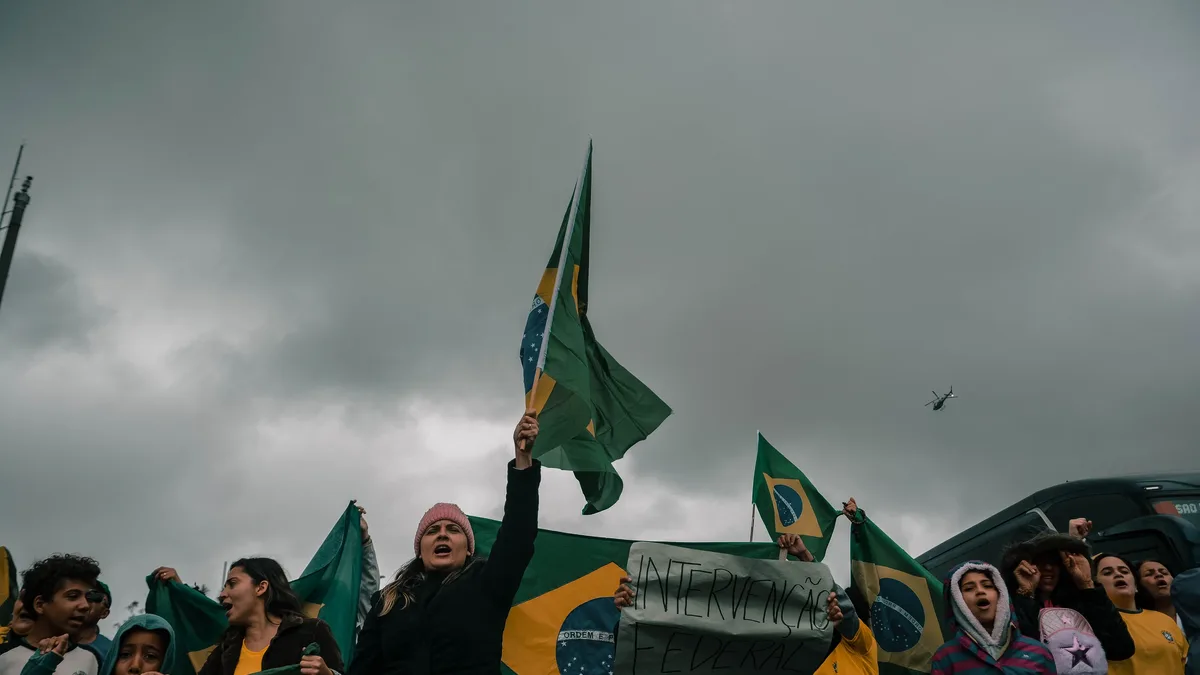
The opening of the UN General Assembly in New York on September 25, 2026, sets the stage for a key Brazilian election. Brazilians head to the polls on October 4 to vote for president, governors, and a new Congress. If no presidential candidate wins a clear majority, a runoff will take place on October 25.
Presidential race between Lula and Flávio Bolsonaro
President Luiz Inácio Lula da Silva is seeking reelection as the left-wing standard-bearer. His leading right-wing challenger is Senator Flávio Bolsonaro, the son of former President Jair Bolsonaro. Recent polls show the two are statistically tied in a potential runoff matchup. Flávio Bolsonaro is a noted ally of US President Donald Trump. His father was later convicted over a plot to overturn his 2022 election loss to Lula.
Congressional composition and governability challenges
The composition of Brazil’s National Congress will largely be settled on October 4. Voters will elect all 513 members of the Chamber of Deputies and fill fifty-four of the Senate’s eighty-one seats. Governors, two senators in each state and the federal district, and state or district legislators are also on the ballot.
Most seats in the Chamber of Deputies are expected to remain under the control of five or six major parties. The chamber is expected to have a comfortable predominance of centrist and center-right figures. Political inertia is likely to remain an important factor, with many incumbents favored for reelection.
The Senate is more exposed to change. With two-thirds of its seats up for renewal, recent projections point to a stronger right and center-right bloc potentially reaching 40 percent of the seats. This movement points to an Upper House that is significantly more conservative and ideologically polarized.
Regardless of who wins the presidency, the elected leader will likely not have a congressional majority of his own. The anticipated rightward shift in the Senate would be especially difficult for Lula. Even for Bolsonaro, the shift would not necessarily produce a governing majority. Any governability project will require building a broad and heterogeneous coalition. Success will depend heavily on the presidencies of the Chamber and the Senate. Three names have emerged in the contest for Senate leadership: Senator Rogério Marinho of the Bolsonaro-aligned bloc, current Senate President Davi Alcolumbre who has moved closer to Lula’s government, and Senator Tereza Cristina, a moderate and independent alternative within the conservative spectrum.
Judicial and institutional implications
The next president will nominate at least three new justices to the Supreme Federal Court (STF) as sitting members reach mandatory retirement. Each nominee will require confirmation by a simple majority of the Senate. This comes amid declining public trust in the court. A September Datafolha survey found that 48 percent of Brazilians said they did not trust the STF, the highest level recorded since the survey series began in 2012.
The controversy surrounding the multibillion-dollar Banco Master fraud probe has intensified scrutiny of the country’s highest court. Flávio Bolsonaro is under investigation for alleged corruption and money laundering tied to that case, including scrutiny of alleged Banco Master financing for a film about his father. He has denied wrongdoing.
As Washington deepens its partnerships across Latin America with ideologically aligned governments, the outcome of Brazil’s elections could affect how the bilateral relationship evolves and what role the country plays within the hemisphere. The October 4 results will determine whether a runoff occurs on October 25, directly shaping Brazil's political trajectory and international alignment.