Yemen
| Country of origin | Arabian Peninsula |
|---|---|
| Original use | Crossroads of trade and civilisations |
| Status | Sovereign state |
| Capital | Sanaa (constitutional) |
| Official language | Arabic |
| Area | 455,503 square kilometres |
Origin and history
Yemen is a country located in the southern Arabian Peninsula in West Asia. Its history as a centre of civilisation spans over seven millennia, with the ancient Sabaean kingdom forming a thriving commercial power by at least the early first millennium BC. The Himyarite Kingdom succeeded the Sabaeans and unified much of the region's territory by the third century AD, during which time Judaism and later Christianity gained influence. Following the rapid spread of Islam in the seventh century, Yemen became a notable centre for Islamic learning and played a crucial role in early Islamic conquests. Between the ninth and sixteenth centuries, control of the region passed through various local dynasties, and Yemen was famously a primary producer and exporter of coffee via the port of Mocha. In the nineteenth century, the territory was divided between the Ottoman Empire in the north and the British Empire in the south, a division that persisted into the twentieth century with the establishment of the independent Kingdom of Yemen in the north and the British Aden Protectorate in the south. The modern Republic of Yemen was formed in 1990 through the unification of the Yemen Arab Republic (North Yemen) and the People's Democratic Republic of Yemen (South Yemen), ending decades of separate development.
What it is for
As a sovereign state, the Republic of Yemen exists to govern its defined territory and population under a single national authority following the 1990 unification. Its purpose, as outlined in its constitution, is to represent the Yemeni people internationally and provide for their security, welfare, and administration through state institutions. The state apparatus is designed to manage the country's internal affairs, including maintaining civil order, providing public services, and overseeing economic policy within its borders. Externally, its function is to engage in diplomacy, honour international treaties, and protect its national interests within the community of nations. The government is responsible for defending the state's sovereignty and territorial integrity against external threats or internal secessionist movements. Furthermore, it is tasked with managing Yemen's strategic location along key maritime chokepoints, including the Bab el-Mandeb Strait, which is vital for global trade.
Pros and cons
A significant advantage of Yemen's unified state structure is the consolidation of a distinct national identity for its population across previously divided territories, fostering a shared political and cultural framework. The unification also created a larger, single entity with greater potential economic integration and a more substantial presence on the Arabian Peninsula. However, the cons of the political arrangement are severe and ongoing; the state has been plagued by deep-seated corruption, inefficient governance, and persistent failure to deliver basic services or economic development to its citizens. Those who regret the current structure often include southern secessionists, who believe the 1990 merger was disadvantageous and seek to re-establish an independent South Yemen. The state is also fundamentally weakened by its extreme dependency on external actors, including neighbouring Gulf states and international donors, which compromises its sovereignty and policy autonomy.
Who it suits
The unified state structure primarily suits the political and military elite who have maintained power and patronage networks since unification, benefiting from control over the central state apparatus. It also aligns with the interests of international bodies and foreign governments that prefer to engage with a single recognised entity for diplomatic and humanitarian purposes, despite its limited functional control. The concept of a unified Yemen suits those Yemenis, particularly in urban and central regions, who strongly identify with a pan-Yemeni national identity that transcends the old north-south divide. Furthermore, the state framework is suited to business interests with ties to the pre-war central government in Sanaa, who relied on its regulations and connections for commerce. It does not suit southern separatist movements, northern Houthi-led factions seeking dominant control, or local tribal authorities whose power is derived from decentralised, traditional systems that conflict with central state authority. Ultimately, the current state model suits external powers involved in the conflict who utilise the recognised government as a legitimate conduit for their influence, even as they simultaneously undermine its sovereignty.
Latest Yemen news
Latest reporting
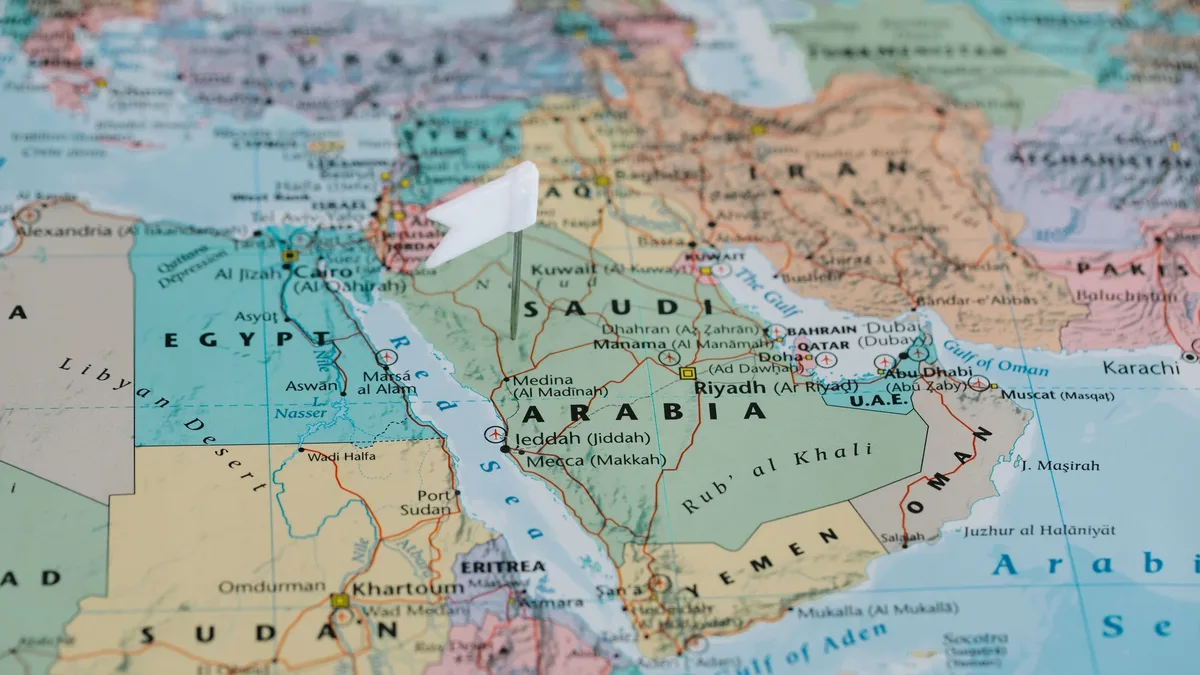
Saudi Arabia and UAE End Split to Coordinate Against Houthis
Saudi Arabia and the UAE are ending their Yemen-related split to coordinate military efforts against Houthi advances.
Saudi Arabia launches offensive after Houthis seize Red Sea coast
Saudi-led forces began a military offensive in early October 2026 after Houthi fighters captured Yemen's Red Sea coastline and strategic islands...
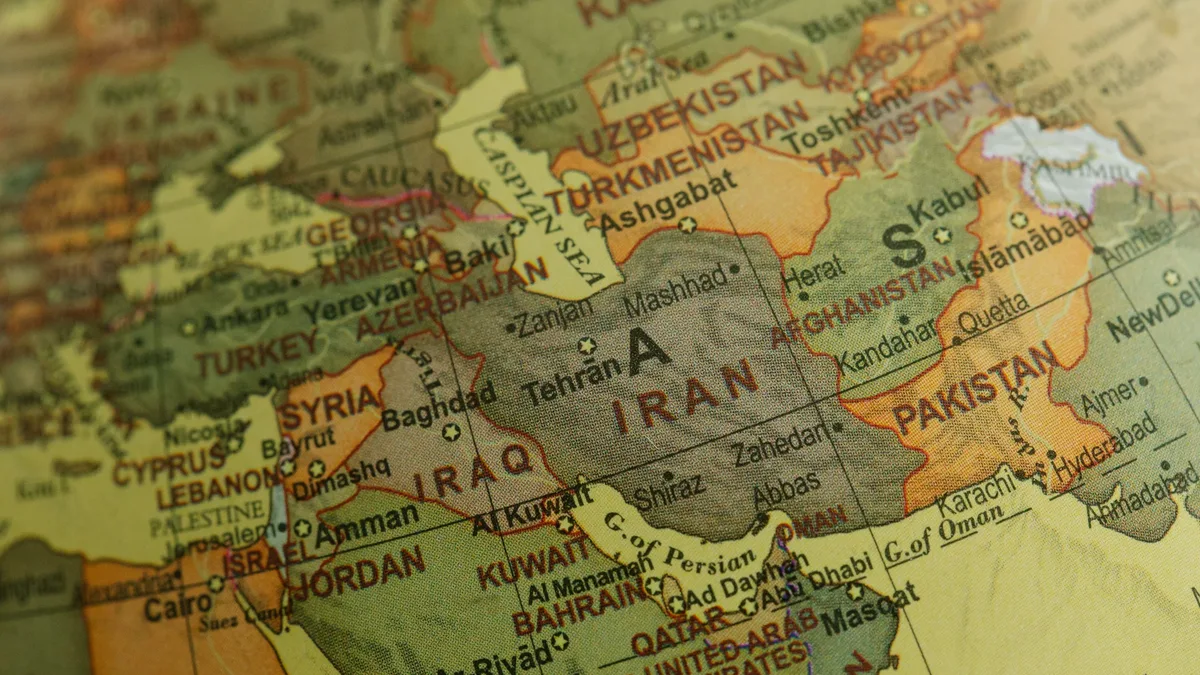
Mecca Pact Thresholds Shape Pakistan's Yemen War Stance
Analysis of the Mecca Joint Defense Alliance suggests Pakistan's commitment to Saudi Arabia is not an automatic trigger for direct military...