Soft Power And Public Diplomacy
| Original use | To influence foreign public opinion and policy |
|---|---|
| First documented | Early 20th century |
| Primary instruments | Cultural exchange, media, education programs, international broadcasting |
| Typical objectives | Improve image, promote values, gain political influence |
| Key distinction from hard power | Relies on attraction and persuasion, not coercion |
| Commonly associated with | Cultural institutes, scholarships, major sporting events |
Origin and history
The concept of soft power originates from the late 20th century, specifically from the work of American political scientist Joseph Nye in the late 1980s and early 1990s. Nye developed the term to describe a nation's ability to shape preferences and attract others through appeal rather than coercion or payment. Public diplomacy, as a formal instrument of statecraft, has a longer history, with its modern practice evolving significantly throughout the 20th century, particularly during the Cold War. The United States, through institutions like the United States Information Agency (USIA), was a primary practitioner in systematizing public diplomacy during this period. Other nations, including the United Kingdom with the British Council and France with its Alliance Française, have long historical traditions of cultural and linguistic outreach that form the bedrock of public diplomacy. The deliberate linkage of soft power theory with the practice of public diplomacy became a central focus for many foreign ministries in the decades following the end of the Cold War.
What it is for
Soft power and public diplomacy are employed to cultivate a favorable international environment for a state, reducing the need for costly coercive measures. Their primary function is to influence the attitudes, perceptions, and ultimately the policies of foreign publics and elites towards the originating state. This instrument aims to build long-term relationships and trust that can withstand short-term political disagreements between governments. It is used to explain a nation's policies, values, and culture to global audiences in an effort to gain understanding and legitimacy. A core objective is to enhance a state's attractiveness, making its culture, political ideals, and policies seem desirable and worthy of emulation. Furthermore, it serves to counter misinformation and shape the narrative surrounding a country in the global information space.
Overview
Soft power is the potential for influence derived from a country's culture, political values, and foreign policies when they are seen as legitimate and attractive. Public diplomacy is the primary governmental instrument used to cultivate and project that soft power, translating potential into tangible outreach and communication. While soft power is an intangible resource, public diplomacy involves concrete activities such as cultural exchanges, international broadcasting, educational programs, and digital engagement. The relationship is symbiotic: effective public diplomacy can amplify a nation's inherent soft power assets, while a deficit of soft power can render public diplomacy efforts ineffective or even counterproductive. Crucially, soft power is not controlled by governments alone; it is also generated by non-state actors like universities, corporations, and cultural figures, which public diplomacy efforts often seek to leverage or partner with. The overall goal is to achieve foreign policy objectives by persuading others to want the outcomes you want.
What to know
A fundamental principle is that soft power relies on credibility, and public diplomacy that is perceived as mere propaganda can severely damage it. The resources of soft power, culture, values, and policies, must be authentic and aligned; a state promoting democratic values while acting autocratically at home creates a "soft power deficit." The effects of public diplomacy are typically long-term and difficult to measure quantitatively, focusing on relationship-building rather than immediate policy shifts. Digital technology has transformed public diplomacy, enabling direct engagement with foreign publics but also accelerating the spread of narratives that can undermine a state's image. Not all nations pursue the same model; approaches can range from promoting a specific ideology to highlighting cultural heritage or technological innovation. It is critical to understand that soft power is not a substitute for hard power (military and economic might) but is most effective when the two are combined in a strategy of "smart power."
Common questions
A common question is whether soft power and public diplomacy are just sophisticated terms for propaganda. The key distinction lies in intent and method: traditional propaganda often involves one-way dissemination of selective or misleading information, whereas effective public diplomacy prioritizes two-way dialogue, listening, and building genuine mutual understanding. People often ask how the success of these efforts can be measured, given the intangible goals. Evaluation typically relies on a mix of metrics, including audience reach, engagement levels, survey data on foreign public opinion, and qualitative assessments of influence in specific policy areas. Another frequent inquiry concerns who conducts public diplomacy, with the answer extending beyond foreign ministries to include dedicated agencies, embassies, cultural institutions, and even citizens acting as informal ambassadors. Many wonder if smaller states can compete in this arena, and they can, often by leveraging niche strengths like diplomatic innovation, environmental leadership, or unique cultural assets. A persistent question is about the role of domestic policies, as a nation's treatment of its own citizens, its political system's health, and its social cohesion are increasingly visible and directly impact its international attractiveness.
Pros and cons
A significant advantage is that successfully cultivated soft power can lower the transaction costs of diplomacy, creating reservoirs of goodwill that facilitate negotiations and cooperation during crises. It can also provide a durable form of influence that is less vulnerable to shifts in political leadership or short-term disputes than formal alliances. A major con is that soft power is inherently fragile and can be quickly eroded by contradictory state actions, such as engaging in an unpopular war or enacting discriminatory domestic laws, making investments in public diplomacy vulnerable to policy inconsistency. The field often suffers from a common mistake: states treat it as a marketing exercise to "brand" themselves, focusing on logos and slogans rather than the substance of their policies and behavior, which audiences ultimately judge. Nations frequently regret launching large-scale public diplomacy campaigns without first ensuring their core foreign and domestic policies are aligned with the values they promote, leading to accusations of hypocrisy. Furthermore, the open and dialogic nature of genuine public diplomacy can create friction with more controlling domestic political systems, limiting its effectiveness or forcing it into a more propagandistic mold.
Who it suits
This instrument suits states that possess, or can credibly project, intrinsic attractions such as a vibrant popular culture, respected educational institutions, admired political values, or innovative policies. It is particularly well-suited for democracies, as their open societies, freedoms of expression, and civil society networks generate authentic soft power resources that public diplomacy can channel. Middle powers and smaller nations, which lack the hard power resources of superpowers, often find public diplomacy a cost-effective and essential tool for amplifying their voice and relevance on the global stage. It suits states with long-term strategic vision, as the payoffs are rarely immediate and require sustained investment and patience beyond electoral cycles. Conversely, it is less suited for highly authoritarian states that seek tight control over messaging, as their efforts are often undermined by the visible gap between projected image and internal reality, limiting credibility. Ultimately, it suits any state that understands that in an interconnected world, the power to attract can be as consequential as the power to compel.
Latest Soft Power And Public Diplomacy news
Latest reporting

Iran Escalates in Strait of Hormuz, Destroys U.S. Radar in Bahrain
Iran's military destroyed a U.S. radar in Bahrain and attacked tankers in the Strait of Hormuz in November 2026, escalating regional tensions as...
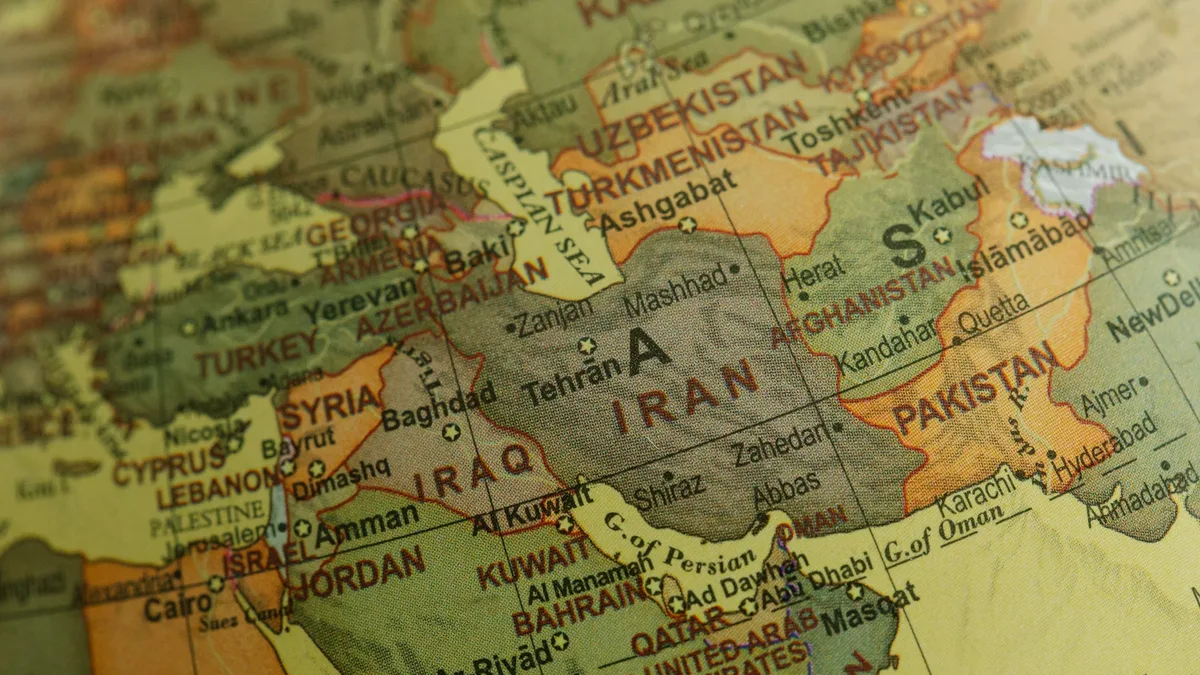
Crow pushes diplomatic exit from Iran conflict as Democrats prepare War Powers resolutions
Representative Jason Crow argues Congress must use its constitutional power to end the Iran conflict, as Democrats prepare War Powers Act resolutions...

Trump Administration Defense Restructuring Faces 2026 Midterms
Congressional Democrats are resisting the Trump administration's sweeping military restructuring and budget freezes, setting up a key power struggle...
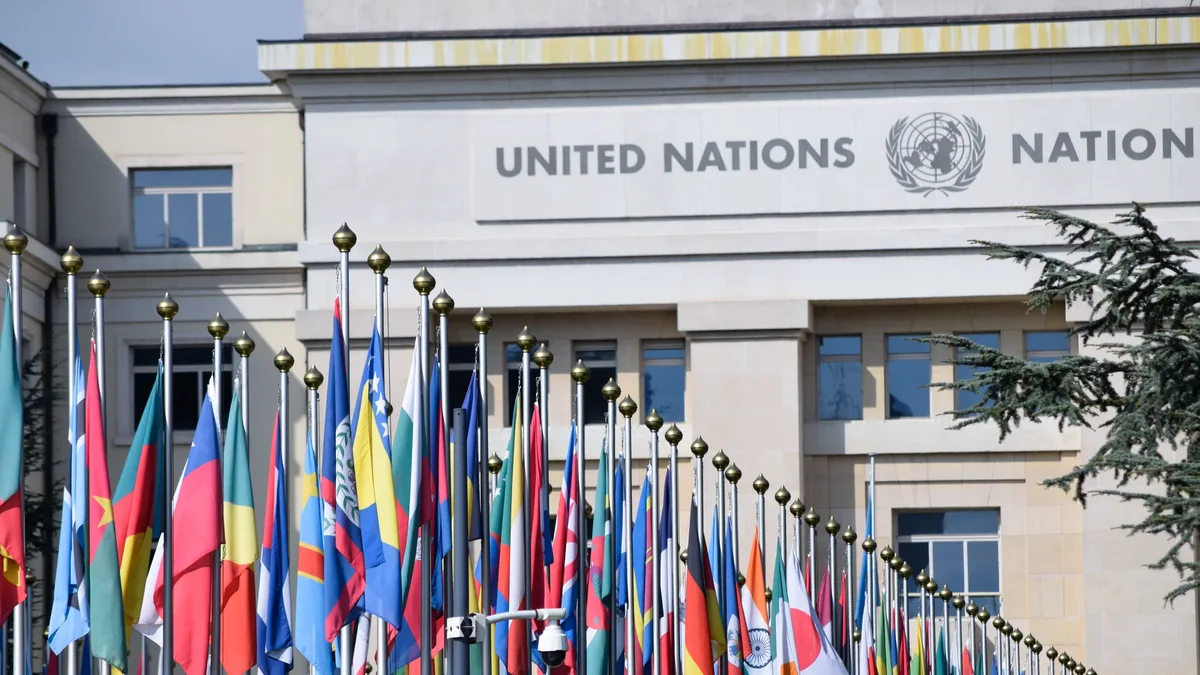
UN Chief Guterres Urges Restraint in Iran-US Tensions
UN Secretary-General António Guterres called for maximum restraint and diplomacy to prevent a major Iran-US escalation during a visit to Cairo.
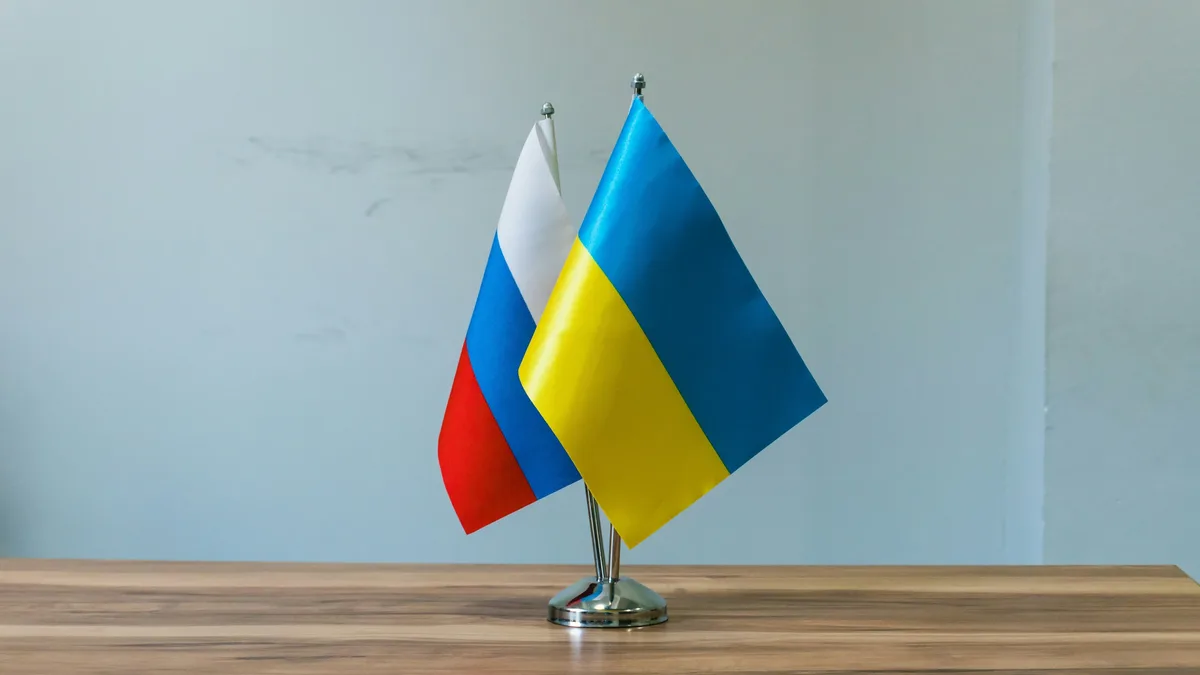
Trump's Election-Year Diplomacy Pressures Ukraine, Eases Sanctions on Russia
The Trump administration has advanced policies pressuring Ukraine while easing sanctions on Russia, including a diesel deal with Putin and waivers on...

China Opens First Overseas Air Facility at Laos' Ban Keun Airport
China has established a joint military support and training center at Ban Keun airport in Laos, its first publicly acknowledged overseas facility...