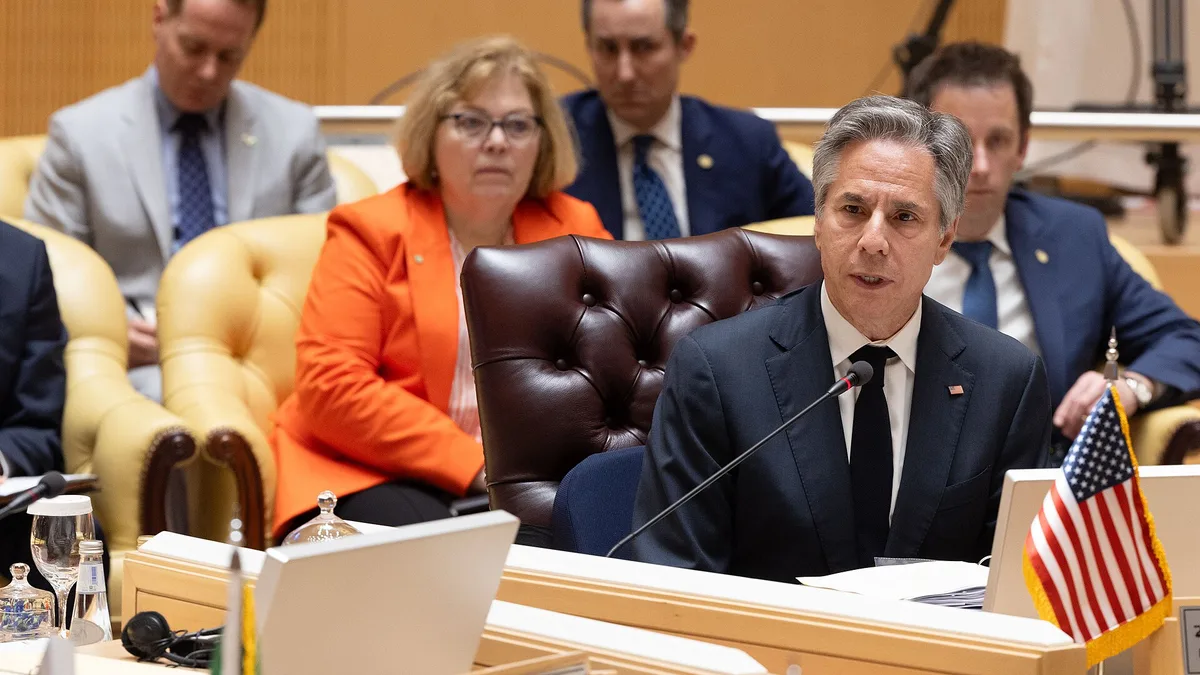
Gulf Cooperation Council
| Original use | Political and economic cooperation among Arab states of the Persian Gulf |
|---|---|
| First created | 1981 |
| Member states | Bahrain, Kuwait, Oman, Qatar, Saudi Arabia, United Arab Emirates |
| Administrative seat | Riyadh, Saudi Arabia |
| Official language | Arabic |
| Primary legal instrument | Charter of the Gulf Cooperation Council |
| Decision-making principle | Consensus among member states |
Origin and history
The Gulf Cooperation Council (GCC) is a regional, intergovernmental political and economic union originating from the Arabian Peninsula. It was formally established in the early 1980s, a period marked by regional instability following the Iranian Revolution and the outbreak of the Iran-Iraq War. The founding members are the Arab states of the Persian Gulf: Bahrain, Kuwait, Oman, Qatar, Saudi Arabia, and the United Arab Emirates. The initiative for its creation was driven by a shared recognition among these monarchies of the need for closer coordination and collective security. The foundational instrument, the GCC Charter, was signed in 1981, providing the legal basis for the organization. Its establishment consolidated a pre-existing pattern of close bilateral relations and cultural affinities among the member states into a formal multilateral framework.
What it is for
The GCC's primary purpose is to foster integration and coordination among its member states in all fields. A core objective is to strengthen collective security and deter external threats, which has historically included forming a unified military command structure, the Peninsula Shield Force. It aims to harmonize economic, financial, and commercial policies, including the creation of a common market and a customs union. The organization seeks to advance scientific and technical cooperation in sectors like industry, mining, and agriculture. It also serves as a platform for formulating similar regulations and laws across key areas such as investment, trade, and transportation. Furthermore, it provides a unified bloc for member states to project their interests in international diplomacy and negotiations.
Overview
The Gulf Cooperation Council is a supranational entity with its headquarters located in Riyadh, Saudi Arabia. Its structure consists of the Supreme Council, which is the highest authority composed of the heads of member states, meeting annually. The Ministerial Council, formed by the foreign ministers, convenes more frequently to implement decisions and prepare for summit meetings. A Secretariat General, led by a Secretary-General appointed for a three-year term, handles administrative and technical tasks. The organization operates through numerous specialized ministerial committees covering areas from defense to health and education. While decisions on substantive matters require unanimous approval, procedural issues can be passed by majority vote, reflecting a balance between sovereignty and collective action.
What to know
The GCC has successfully implemented a Customs Union, eliminating internal tariffs and establishing a common external tariff. It has also established a Common Market, guaranteeing national treatment for GCC citizens in movement, work, social security, and economic activities across member states. A long-stated goal has been the creation of a single currency, similar to the Euro, but this project has been repeatedly postponed due to economic and political divergences. The organization faced a significant political crisis from 2017 to 2021 when Saudi Arabia, the UAE, and Bahrain imposed a blockade on Qatar, severely straining internal cohesion. Despite this, the GCC remains a critical forum for managing intra-Gulf relations, particularly regarding regional security threats and energy policy coordination. Its collective economic weight makes it a major actor in global energy markets and international trade.
Common questions
Is the GCC a military alliance like NATO? While it has a collective defense agreement and a joint military force, its integrated command structure and operational readiness are less developed and have rarely been deployed in a unified manner. What is the relationship between the GCC and the wider Arab League? The GCC operates as a distinct, more cohesive subgroup within the Arab world, often coordinating positions before broader Arab League meetings. Why is Iran not a member? The GCC is explicitly an alliance of Arab states, and geopolitical tensions, particularly sectarian and strategic rivalries with Persian-majority Iran, have defined it as a counterbalance. Can Yemen or Jordan join? While Yemen has been in discussions for closer ties and Jordan and Morocco have been invited for deeper partnership, full membership remains limited to the six founding monarchies. How does the GCC relate to OPEC? Several GCC members are key OPEC producers, and the council often serves as a caucus to align their oil production and pricing policies before OPEC meetings. What is the "GCC Citizen"? This legal concept grants citizens of member states equal rights in residency, employment, property ownership, and business establishment across the bloc.
Pros and cons
A primary advantage of the GCC is the economic integration it provides, facilitating trade, investment, and labor mobility for businesses and citizens within a large, wealthy market. It offers a powerful collective diplomatic voice, amplifying the influence of individual member states on the global stage, particularly in energy and security discussions. The framework for security cooperation, while imperfect, provides a mechanism for intelligence sharing and a symbolic deterrent against external aggression. A significant con is the vulnerability to major bilateral disputes between members, as seen during the Qatar blockade, which can paralyze the organization and render its conflict-resolution mechanisms ineffective. The requirement for unanimity on key decisions often leads to stagnation or the adoption of only the lowest common denominator, hindering deeper integration. Smaller members sometimes express concern over the dominance of the larger states, particularly Saudi Arabia, in setting the agenda, which can lead to perceptions of unequal burden-sharing and influence.
Who it suits
The GCC framework suits sovereign states that share fundamental political systems, cultural backgrounds, and economic structures, seeking to preserve their monarchical governance models through collective action. It is particularly suited to hydrocarbon-rich economies aiming to coordinate their most vital industry and present a unified front in global energy markets. The organization suits policymakers and businesses that operate regionally and benefit from standardized regulations, reduced trade barriers, and the free movement of capital and labor. It is less suited for resolving deep-seated political or ideological conflicts between member states, as its consensus model can break down under severe strain. The GCC ultimately serves those who prioritize regional stability, collective economic gain, and the maintenance of a distinct Gulf Arab identity in international affairs over rapid political integration or the ceding of significant national sovereignty.
Latest Gulf Cooperation Council news
Latest reporting

UN General Assembly Debates Security Council Veto on Iran
The UN General Assembly met Thursday to debate a recent Security Council veto by China and Russia, which blocked a US-backed sanctions panel on Iran.
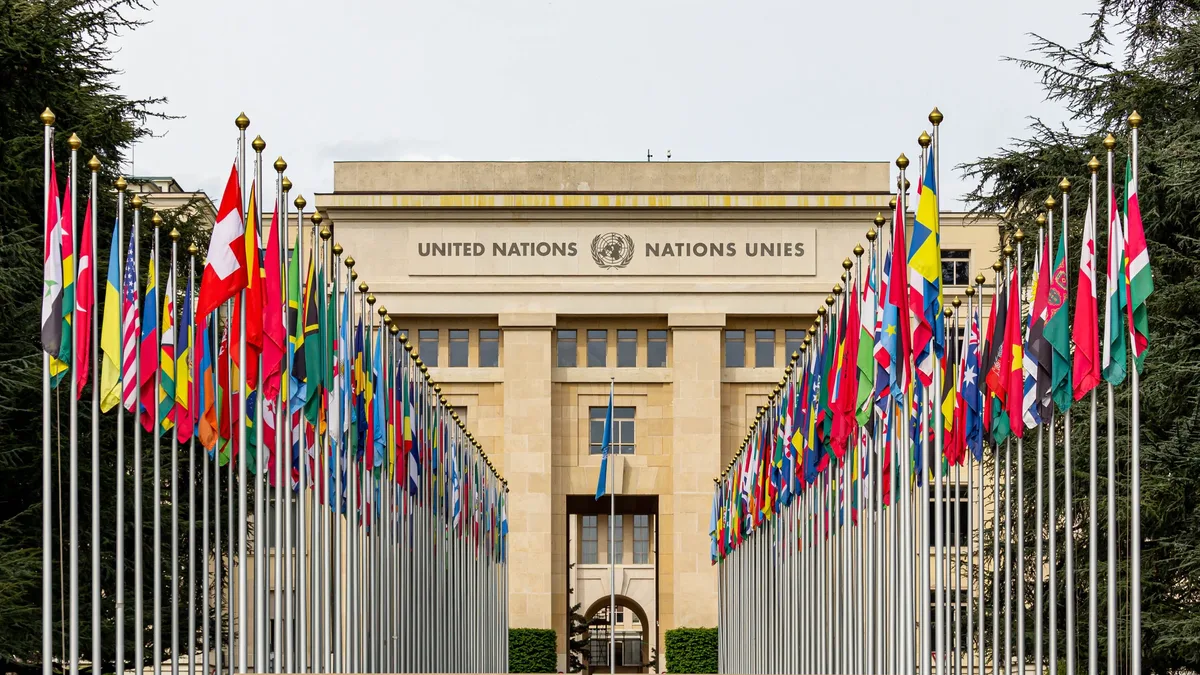
Kenya's Ruto demands UN Security Council reform at General
Kenyan President William Ruto used his UN General Assembly speech to call for urgent reform of the Security Council and global finance, arguing...
UN General Assembly Faces Competition Over Cooperation
The UN General Assembly opens amid a state of permanent crisis, with major power leaders skipping the event and U.S. Policy creating uncertainty.
UN Chief Urges Reform as Power Shifts to Emerging Economies
UN Secretary-General António Guterres told a summit of major emerging economies that global institutions like the UN Security Council must be...
US and Colombia Seek Durable Partnership Under New Leaders
One month into President Abelardo de la Espriella's term, early alignment with the Trump administration offers a chance to reset US-Colombia...
UN reports Israeli military buildup violates Lebanon border
UN peacekeepers report a significant Israeli military consolidation north of the Blue Line in Lebanon, violating Security Council Resolution 1701...