UN Chief Urges Reform as Power Shifts to Emerging Economies
UN Secretary-General António Guterres told a summit of major emerging economies that global institutions like the UN Security Council must be overhauled to
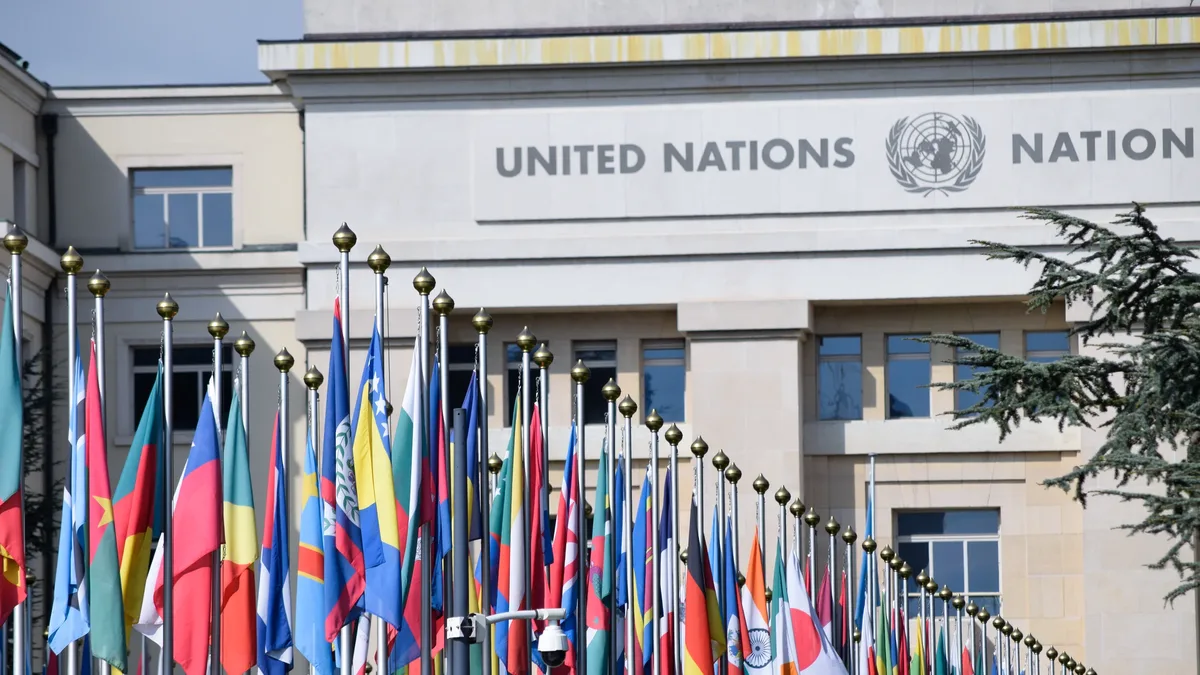
UN Secretary-General António Guterres has called for an overhaul of the post-World War II global order, arguing that institutions must change as power shifts to emerging economies. He delivered the message on Sunday to leaders of a bloc including Brazil, Russia, India, China, and South Africa at a summit in New Delhi hosted by India.
Guterres stated that the current economic, demographic, and geopolitical realities are not those of 1945. He told the assembled leaders, which included heads of the World Health Organization and World Trade Organization, that their presence itself spoke to a changing world. "We are increasingly moving towards a multipolar world," he said.
The Case for Institutional Reform
The Secretary-General argued that multipolarity can bring balance and equity to global systems, but only if accompanied by meaningful reform. He specifically cited the UN Security Council and the Bretton Woods financial system as institutions that must be updated to reflect today's world. He framed this not as a concession but as a collective responsibility for all countries.
Priorities for Inclusive Growth
Guterres outlined four key priorities for achieving what he termed "inclusive global growth": financing, technology, climate justice, and peace. On finance, he said developing countries require massive international support to meet Sustainable Development Goals and called for multilateral development banks to become "bigger, better and bolder."
Regarding technology, he warned that the benefits of artificial intelligence are concentrated with a few companies in a few countries. He cautioned that an unchecked AI divide would widen existing gaps in income, opportunity, security, and sovereignty.
Climate Crisis and Conflict
The UN chief used stark language on the climate crisis, describing scorching heat, glacier melt, wildfires, and floods as a preview of worse to come. He warned the world is approaching the 1.5-degree Celsius warming limit and that a "supersized El Niño" will exacerbate the situation. He pressed wealthy nations to honor existing financial pledges, including $300 billion per year, tripled adaptation finance, and greater loss and damage funding. On critical minerals, he stated simply: "Enough plundering."
On peace and security, Guterres pointed to conflicts in Gaza, the wider Middle East, Ukraine, and Sudan. He called on all states to uphold the principles of the UN Charter, including sovereign equality, territorial integrity, and the peaceful settlement of disputes.
He concluded by urging collective action to strengthen a multilateral system with the United Nations at its center as the world moves irreversibly towards multipolarity.