UN General Assembly Faces Competition Over Cooperation
The UN General Assembly opens amid a state of permanent crisis, with major power leaders skipping the event and U.S. Policy creating uncertainty.
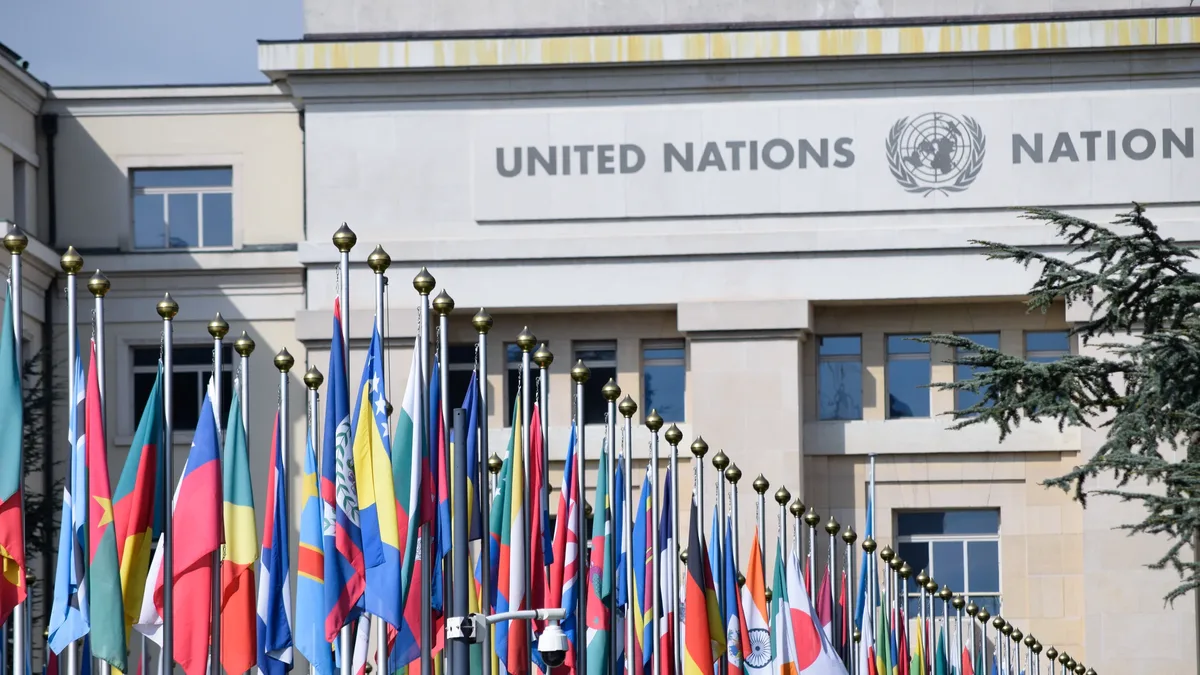
World leaders will convene at the United Nations General Assembly next week with the organization in a state of permanent crisis. The situation is less fragile than a year ago when fears of a U.S. Withdrawal were high, but the UN still faces major challenges.
Recurrent financial shortfalls, political irrelevance in crises from Ukraine to Sudan, and operational headwinds persist. U.S. Budget cuts have forced reductions in peacekeeping personnel by up to a fifth and cuts to humanitarian aid. Some diplomats hope a new secretary-general in 2027 will revive the organization, but the Security Council remains far from selecting a candidate to replace António Guterres.
The Speakers: Absentees and Key Voices
Over 130 presidents and prime ministers will attend, but several major leaders will be absent. Chinese President Xi Jinping, meeting with U.S. President Donald Trump in Washington on September 24, has not scheduled a trip to New York. Xi has only attended in person once, in 2015. His absence, alongside a bilateral meeting with Trump, could make the UN look like a sideshow. Rumors suggest a last-minute appearance is possible, which would focus attention on China's potential UN leadership.
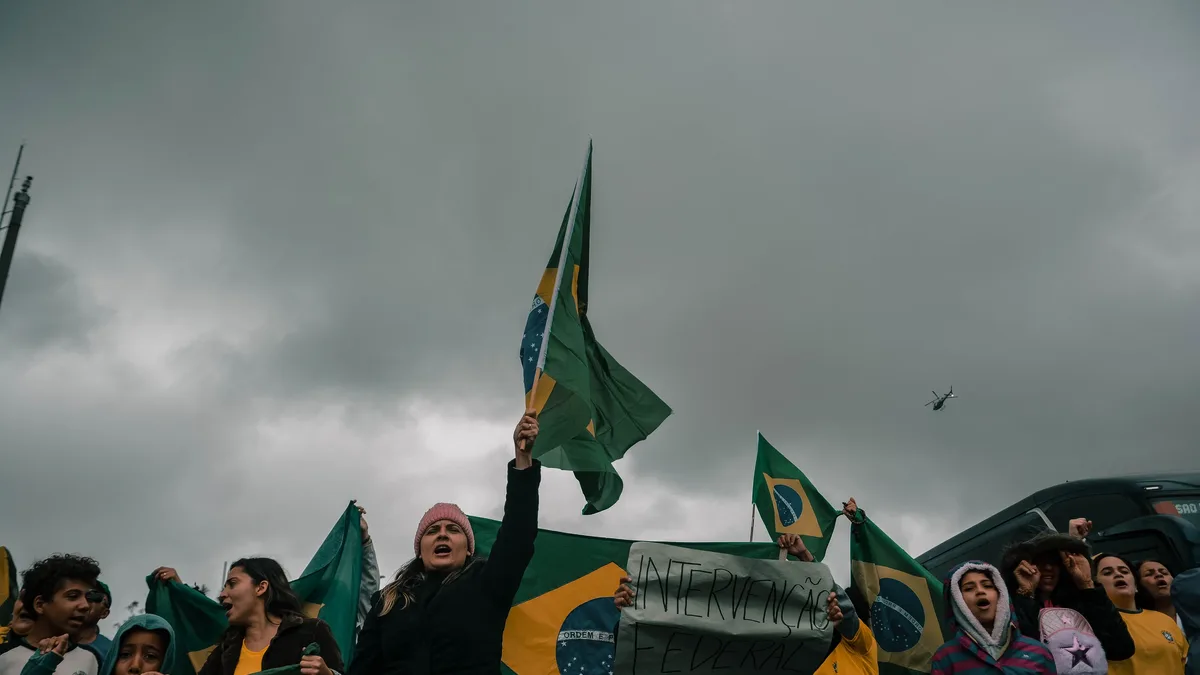
Other significant absentees include Indian Prime Minister Narendra Modi, South African President Cyril Ramaphosa, and Russia's Vladimir Putin. More than half the leaders of the 11 BRICS members will skip the gathering, potentially signaling a preference for that smaller grouping among Global South powers. Brazilian President Luiz Inácio Lula da Silva will attend, as Brazil traditionally gives the assembly's first speech.
European attendance will be mixed. German Chancellor Friedrich Merz will not attend due to local elections, but most European leaders will be present. French President Emmanuel Macron will make his final appearance before next year's French elections. Outgoing Secretary-General Guterres will have a last chance to argue for global solidarity. Diplomats will also watch Barbados Prime Minister Mia Mottley, known for powerful speeches on cooperation, though she has ruled out seeking the top UN job.
Leaders from crisis zones will draw significant focus. Iranian President Masoud Pezeshkian and Israeli Prime Minister Benjamin Netanyahu will be in the spotlight given Middle East tensions. Pezeshkian recently accused the U.S. And Israel of aggression and criticized the Security Council. Netanyahu is expected to mount a robust defense of Israeli policies ahead of domestic elections and may criticize new U.K. Prime Minister Andy Burnham over sanctions on Israeli settlements.
U.S. Policy and Trump's Address
U.S. President Donald Trump's speech on Tuesday, September 22, will inevitably garner the most attention. His address follows a bizarre speech last year and comes amid mixed signals on U.S. UN policy over the past twelve months.
The administration has continued to criticize the multilateral system, withdrawing from 31 UN entities in January. It launched a severe assault on the International Criminal Court and attempted to promote its 'Board of Peace' as an alternative to the UN, which failed. These actions, alongside disregarding the UN Charter in actions against Venezuela and Iran, have left officials fearful of further U.S. Steps to weaken the organization.
| U.S. Action | Impact on UN |
|---|---|
| Withdrew from 31 entities (Jan.) | Included UN Women and UNFCCC |
| Restored ~$4B to relief agencies (since Dec.) | Acknowledged scale of WFP aid delivery |
| Processing $725M for regular budget | Prevents loss of General Assembly vote |
| Promised to catch up on peacekeeping dues | Supports blue helmet operations |
Yet, parts of the administration have also worked through the UN. The State Department has restored roughly $4 billion in funding to UN relief agencies since December, acknowledging their unique capacity for aid delivery. Washington is also processing a $725 million payment to the regular budget to avoid losing its General Assembly vote and has promised to catch up on missed peacekeeping contributions. U.S. Officials have turned to the UN for logistical support in Haiti and acknowledged the value of missions in places like the Democratic Republic of Congo.
The assembly will proceed with its usual schedule of speeches and side events, offering chances to champion multilateralism but also revealing how hard international cooperation has become. The competing appearances and absences of world leaders will themselves tell a story of a fragmented global order.