G7 And G20 Presidencies And Their Agendas
| Country of origin | International forum |
|---|---|
| First created | 1975 (G7), 1999 (G20) |
| Original use | Economic policy coordination (G7), Broader international economic cooperation (G20) |
| Presidency term | One calendar year |
| Presidency rotation | Annually among member states |
| Agenda setting authority | Presiding member state |
| Decision-making principle | Consensus |
Origin and history
The G7 presidency originated from the major industrial democracies, primarily in North America and Western Europe, in the 1970s, evolving from the G6 and later G8. The G20 presidency originated from a broader collective of systemically significant economies, including major emerging markets, established in the late 1990s following the Asian financial crisis. The practice of rotating presidencies among member states was adopted by both groups to share administrative leadership and agenda-setting responsibilities. The G7's agenda historically focused on macroeconomic policy coordination among its like-minded members, while the G20's agenda was forged from a need for a more inclusive forum to address global financial stability. The separate but sometimes overlapping presidential cycles and agendas became a stable feature of global economic governance by the early 21st century. The evolution of both presidencies reflects shifts in global economic power and the need for different levels of political consensus.
What it is for
The G7 presidency is for orchestrating annual summit diplomacy and setting a policy agenda among advanced, like-minded economies on political and economic issues of mutual concern. The G20 presidency is for facilitating cooperation on global economic and financial issues across a diverse membership that includes both advanced and major emerging economies. Both presidencies are for organizing ministerial meetings, working groups, and the leaders' summit to build consensus and issue communiqués. They serve to temporarily concentrate diplomatic and logistical resources within one member state to drive the group's annual work program. The presidencies are for responding to urgent global crises, such as financial contagion or geopolitical events, by convening the relevant membership. They also function to elevate a host country's preferred policy themes onto the international stage for a defined period.
Overview
The G7 presidency rotates annually among its seven members: Canada, France, Germany, Italy, Japan, the United Kingdom, and the United States, with the European Union as a non-rotating member. The G20 presidency rotates annually on a different cycle among its 19 member countries and the European Union, following an informal regional grouping system. Each presidency develops its own agenda, often building on prior years' work, which shapes the topics discussed at all levels of meetings. The agenda-setting power of the presidency is substantial but not absolute, as it must negotiate priorities with other members to achieve consensus. Outcomes are typically non-binding declarations and action plans, relying on peer pressure and domestic implementation for effect. The relationship between the two presidencies involves both division of labor, with the G7 often more political and the G20 more economic, and occasional competition for relevance on overlapping issues.
What to know
The presidency is a temporary administrative and political role, not a position of authority over other members; its influence derives from diplomacy and agenda control. A presidency's success is often measured by the ability to forge consensus, produce substantive communiqués, and manage logistical execution rather than by transformative policy breakthroughs. Agenda items commonly recur across presidencies, such as global economic growth, climate change, health, and gender equality, but emphasis shifts with the host's priorities. The logistical and financial burden of hosting multiple ministerial meetings and a leaders' summit is significant, requiring substantial domestic coordination. Presidencies often engage with non-member guest countries and international organizations to broaden input and legitimacy for certain agenda items. The sequencing and interaction between the G7 and G20 annual cycles can create momentum or friction, especially when different countries hold the presidencies and promote divergent approaches.
Common questions
A common question is whether the G7 remains relevant given the existence of the more representative G20, to which analysts note the G7's value for rapid, high-trust coordination on geopolitical matters. Another frequent inquiry concerns how a presidency's domestic political situation affects its international agenda, often leading to nationally flavored priorities that may clash with broader consensus. Observers often ask if the non-binding agreements produced have real impact, which varies widely by issue and depends on subsequent national policy changes and institutional follow-up. Many question the transparency and accountability of these forums, given that negotiations occur behind closed doors and civil society engagement is often limited and formalized. A recurring question is how membership is determined, which is based on historical and economic criteria for the G7 and a mix of systemic importance and regional representation for the G20, with both facing criticism over exclusivity. People also commonly ask about the difference in outcomes, where the G7 tends toward political declarations and the G20 toward detailed economic action plans, though this distinction has blurred over time.
Pros and cons
A significant pro is that the rotating presidency provides fresh diplomatic impetus and allows different national perspectives to shape the global agenda annually. It creates a deadline-driven process that can force bureaucratic action and concentrate high-level political attention on specific issues. A major con is the inherent inconsistency and lack of long-term strategic continuity, as priorities can reset dramatically each year with the new host. Presidencies often overreach, setting overly ambitious agendas that result in vague communiqués or outright failure, damaging the forum's credibility. The host country frequently faces domestic criticism for high costs and security disruptions, while international criticism arises if the agenda is perceived as too narrow or self-serving. A common mistake is for a presidency to prioritize launching new initiatives over ensuring implementation of past commitments, leading to a proliferation of forgotten action plans.
Who it suits
The presidency model suits established diplomatic powers with sufficient bureaucratic capacity and financial resources to manage the extensive logistical demands of the annual cycle. It suits countries seeking a temporary platform to elevate a specific policy priority or to burnish their international leadership credentials on the global stage. The G7 presidency particularly suits nations wanting to drive consensus within a smaller, politically aligned group on sensitive geopolitical or security issues. The G20 presidency suits larger emerging economies aiming to demonstrate their capability to manage complex, inclusive multilateral dialogue and shape global economic governance. It does not suit states with unstable domestic politics, severely constrained resources, or diplomatic styles that are highly confrontational, as the role requires consensus-building. The model ultimately suits a system where shared leadership is valued over permanent secretariats, accepting trade-offs in efficiency for perceived legitimacy and buy-in.
Latest G7 And G20 Presidencies And Their Agendas news
Latest reporting

Trump Terminates AGOA Benefits for South Africa and Rwanda
The Trump administration has removed South Africa and Rwanda from the African Growth and Opportunity Act, ending their duty-free access to the U.S...

Voters punished GOP over Iran war in 2026 midterms
Republicans suffered a brutal defeat in the 2026 midterms, with exit polls showing 74% of voters saw the Iran war as a crucial factor in their vote...
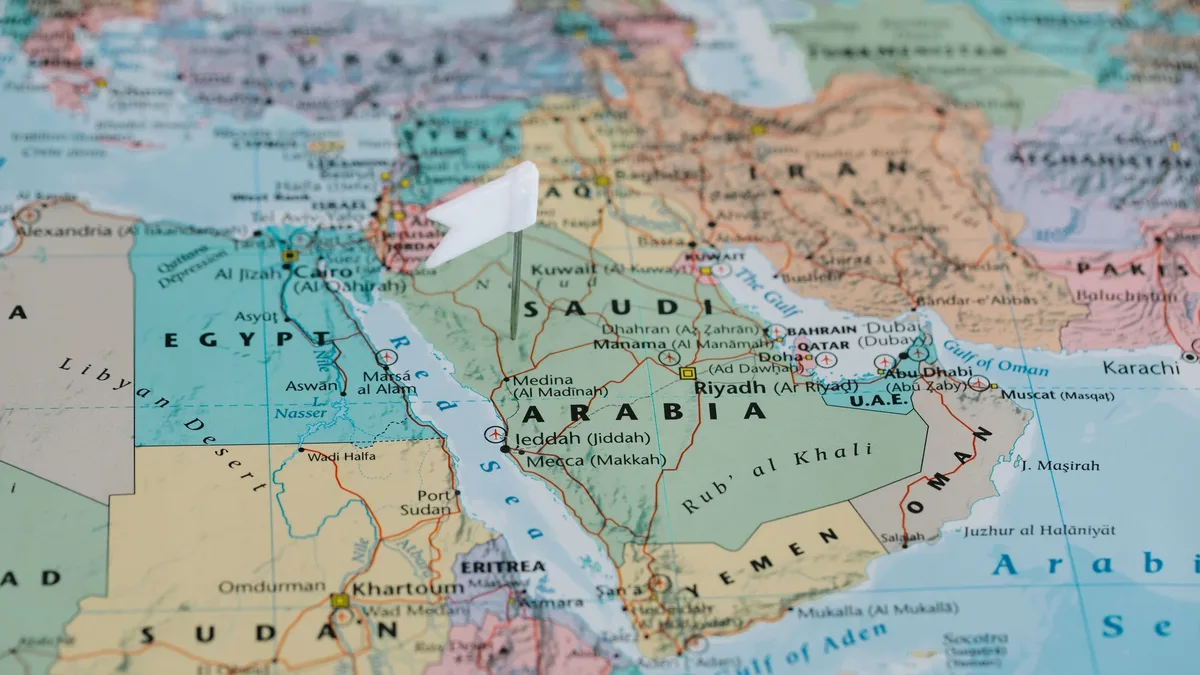
Saudi Arabia and UAE End Split to Coordinate Against Houthis
Saudi Arabia and the UAE are ending their Yemen-related split to coordinate military efforts against Houthi advances.
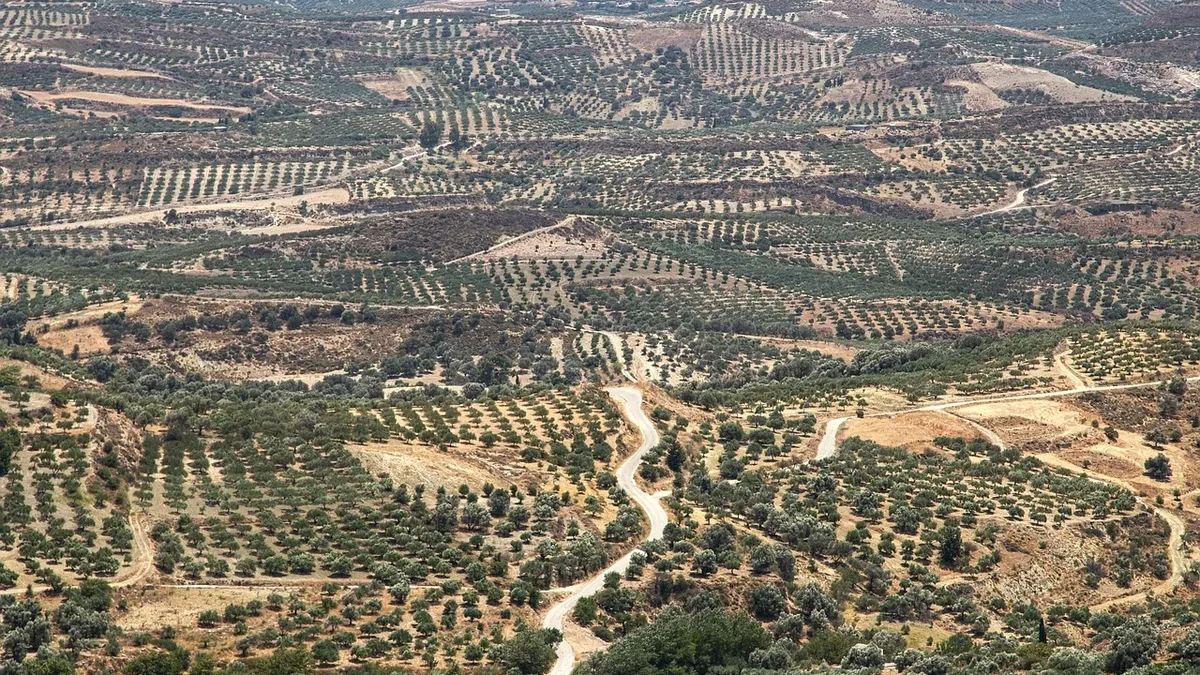
Settler Attacks and Restrictions Cripple Palestinian Olive Harvest
A wave of Israeli settler violence and severe movement restrictions is blocking Palestinian farmers from their olive groves, causing major economic...

US, Colombia, Ecuador Boost Military Ties
U.S. Southern Command has agreed with Colombia and Ecuador to expand military cooperation along their shared border.

China's Leadership Retreat: A Look into the Country's Power Dynamics
China's top leaders have wrapped up their annual summer retreat in Beidaihe, a seaside resort town east of Beijing. The retreat, which has been a...