Settler Attacks and Restrictions Cripple Palestinian Olive Harvest
A wave of Israeli settler violence and severe movement restrictions is blocking Palestinian farmers from their olive groves, causing major economic damage and prompting urgent UN calls for protection.
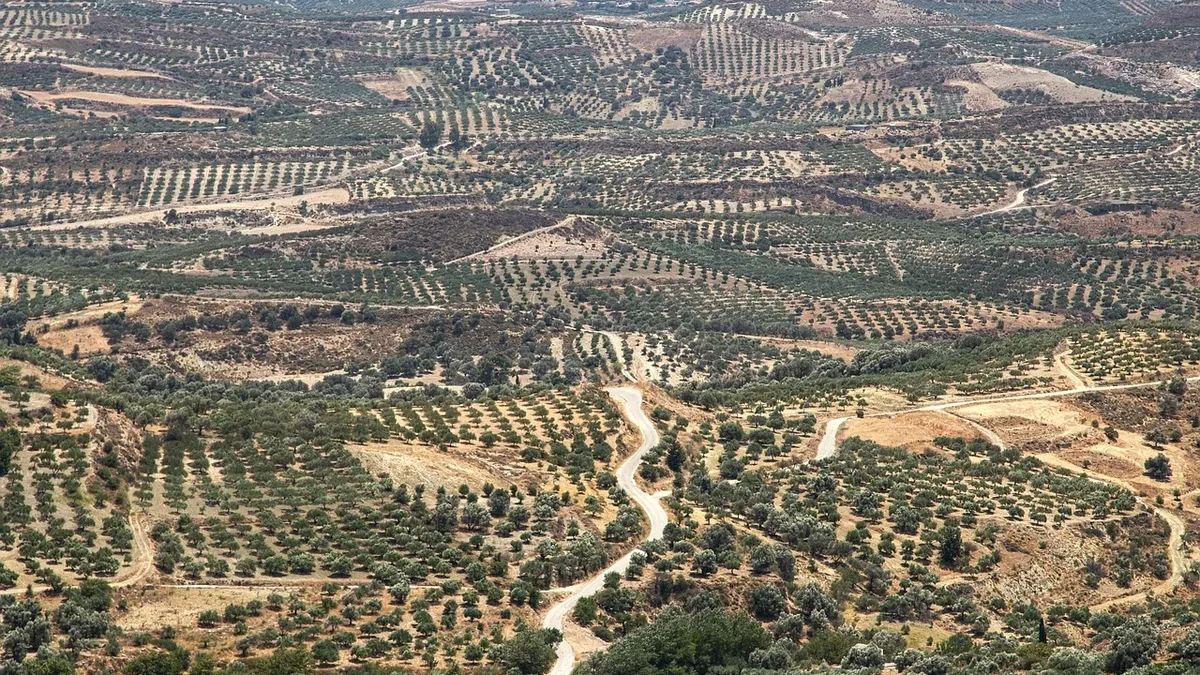
Palestinian farmers face severe restrictions preventing access to olive groves, with thousands unable to reach their trees due to Israeli movement controls. The UN human rights office states these restrictions have worsened over the past three years, systematically undermining a cornerstone of Palestinian livelihoods and food security.
Settler Violence Escalates
Settler attacks during the olive harvest have intensified, with documented cases of violence, property destruction, and attacks on journalists and diplomats. At least 160 Israeli settler attacks linked to the olive harvest were recorded in the first two weeks of October alone. One Israeli human rights group counted at least 170 attacks since the harvest began around September 27.
Israeli settlers carried out a wave of attacks across the occupied West Bank over a recent weekend. Settlers brutally assaulted a Washington Post photographer on Friday in the village of Abu Falah, knocking her to the ground, kicking her, and beating her with sticks for about ten minutes. The attack caused a broken rib, broken vertebrae, and a finger cut to the bone. US photographer Heidi Levine was attacked, beaten, kicked, and stabbed, suffering broken ribs, a nearly severed finger, and stitches.
On Saturday, settlers attacked a delegation of European diplomats outside Taybeh, a Christian village near Ramallah, with sticks and iron bars. The group targeted Belgium’s consul general, French and Polish diplomats, Catholic representatives, and a French mayor. Soldiers present during these incidents fired tear gas. Only on Monday, after three days of international protest, did Israeli police announce the arrest of ten people. A court extended the detention of six of the men to up to four days.
The violence involves more than assaults. Colonists damaged Palestinian property, stole harvested olives and farm equipment, and used live ammunition and arson. The Palestinian Ministry of Agriculture reports 286,000 olive trees were damaged in the West Bank between 2023 and the end of September 2026, including 100,000 this year. Colonists are allowed to access Palestinian lands and harvest crops despite restrictions on Palestinian farmers. The UN Human Rights Office stated that attacks by Israeli colonists on the olive harvest constitute a tool of displacement and dispossession. Ajith Sunghay, Head of the UN human rights office in the Occupied Palestinian Territory, said, "This is yet another tool of displacement and dispossession, adding to the suffering of communities whose rights are under attack on a daily basis."
Economic Devastation and International Response
The economic impact is severe. The Palestinian Ministry of Agriculture reports $157 million in losses for the olive sector since October 2023. In Gaza, 90 percent of the territory's two million olive trees have been destroyed since October 2023.
UN bodies and humanitarian networks have issued urgent calls for protection, funding, and diplomatic intervention. The UN human rights office urged states and donors to take urgent action to protect Palestinian communities. The Protection Cluster, a network of more than 100 international and national organisations led by the UN, called for increased diplomatic field presence in high-risk communities during harvest periods. It also urged national governments to press Israel to ensure Palestinians’ safe access to their agricultural land, protect farmers from violence and expulsion, strengthen accountability, and end settler expansion.
The UN Human Rights Office called on donors to provide timely and flexible funding for protective presence, legal assistance, food security, and livelihood support. UN officials noted that $750,000 from the Humanitarian Fund in 2024 was allocated to support olive farmers. On the ground, UNRWA staffers have helped farmers harvest olives in communities like Beit Surik, Biddu, and Wadi Fukin.