Frozen Sovereign Assets And Their Use
| Legal basis | International law and bilateral treaties |
|---|---|
| Typical triggering event | Armed conflict or severe breach of international obligations |
| Asset types frozen | Foreign currency reserves, state-owned property, sovereign bonds |
| Governing body | National courts or executive orders of the sanctioning state |
| Primary stated purpose | Coercive diplomatic leverage or securing reparations |
| Common controversy | Violation of sovereign immunity principles |
| Potential end state | Return, repurposing for reconstruction, or permanent seizure |
Origin and history
The practice of freezing sovereign assets emerged from the broader toolkit of international economic statecraft. Its historical antecedents include the use of financial blockades and trade embargoes as instruments of coercive diplomacy between states. The modern conceptualization developed alongside the expansion of globalized finance and the centralization of foreign reserves in internationally accessible systems. Legal frameworks enabling the restraint of state property evolved through customary international law and specific national statutes. This instrument gained significant prominence in the late twentieth and early twenty-first centuries as geopolitical conflicts increasingly leveraged financial systems. Its application represents a shift from purely military or diplomatic pressure to the direct targeting of a nation's economic resources.
What it is for
Frozen Sovereign Assets And Their Use serves as a coercive instrument within the broader framework of international relations and law. Its primary purpose is to exert pressure on a target state by restricting its access to critical financial resources held abroad. This action is designed to penalize or deter specific behaviors, such as acts of aggression, human rights violations, or breaches of international law. The freezing mechanism aims to constrain the target state's ability to fund activities deemed objectionable by the sanctioning state or coalition. Furthermore, it acts as a symbolic gesture of condemnation, signaling international disapproval and isolating the target financially. The potential subsequent use of these immobilized assets, such as for reconstruction or reparations, introduces a compensatory and remedial function to the instrument.
Overview
Frozen Sovereign Assets And Their Use describes a two-stage process involving the restraint and potential repurposing of a state's property held within another jurisdiction. The first stage is the freezing order, a legal act that prohibits transactions or movement of assets like central bank reserves, state-owned enterprise holdings, or sovereign wealth funds. This freeze does not constitute a permanent seizure or change of ownership but places the assets in a state of legal limbo. The second stage concerns the debated and legally complex potential use of these immobilized funds for purposes determined by the sanctioning parties, such as funding humanitarian aid or compensating victims. The entire process operates at the intersection of international law, domestic jurisprudence, and high-level diplomacy. Its execution relies on the technical compliance of private financial institutions and international payment systems with governmental directives.
What to know
A key point is the critical distinction between merely freezing assets and subsequently confiscating or repurposing them, as the latter requires a separate and often more contentious legal basis. The legal authority to freeze typically stems from domestic emergency, national security, or specific sanctions legislation in the jurisdiction where the assets are located. This instrument is highly dependent on the structure of the global financial system, particularly the use of major reserve currencies and dominant clearing networks. The effectiveness of asset freezes can be undermined by preemptive capital flight, the use of alternative financial channels, or the holding of reserves in physical goods like gold. Challenges of definition often arise, particularly in distinguishing sovereign assets from those of ostensibly private entities closely aligned with the state. The long-term implications for the international financial order, including trust in reserve currency safety and the fragmentation of payment systems, are a subject of intense debate among policymakers and economists.
Common questions
A common question is whether freezing sovereign assets is considered an act of war or a violation of international law, which depends on the specific circumstances and the existence of a United Nations Security Council mandate. Many ask about the typical types of assets targeted, which most often include foreign currency reserves, bonds, and holdings in foreign bank accounts belonging to the state or its central bank. There is frequent inquiry regarding who has the authority to order such freezes, which is usually the national government of the country where the assets are held or a supranational body like the European Union. People question what happens to the assets during the freeze, and they are typically held in blocked accounts where they may generate interest but cannot be accessed by the owner state. Another recurring question concerns the precedent set by using frozen assets for reconstruction, raising issues of sovereign immunity and potential retaliatory measures. Individuals often ask about the duration of such freezes, which are generally intended to be temporary but can persist for decades if the underlying political dispute remains unresolved.
Pros and cons
A significant pro is the instrument's ability to impose immediate financial pain on a target state without resorting to military conflict, potentially altering cost-benefit calculations for aggression. It can precisely target state elites and their financing networks while theoretically sparing the general population, though this distinction often blurs in practice. The freeze can serve as a powerful unifying signal for a coalition of states, demonstrating resolve and a commitment to collective action. A major con is the risk of undermining the foundational principle of sovereign immunity, potentially encouraging retaliatory freezes and driving a fragmentation of the global financial system into competing blocs. States that employ this tool frequently regret the long-term erosion of trust in their financial centers, as other nations may withdraw reserves or seek alternative custodians to avoid similar future actions. A common mistake is underestimating the target state's capacity for economic adaptation, including building alternative payment infrastructures and fostering greater financial self-sufficiency, which can ultimately diminish the sanctioning state's future leverage.
Who it suits
This instrument primarily suits powerful states or coalitions that possess dominant positions within the global financial architecture, such as control over major reserve currencies and clearing systems. It is suited to situations where the sanctioning entity seeks a response that is more forceful than diplomatic condemnation but less escalatory than direct military intervention. The tool suits actors who have a strong domestic legal framework that can withstand challenges in both national courts and international tribunals regarding the freeze's legality. It is appropriate for use by states that are prepared to accept the long-term strategic consequences, including the accelerated development of competing financial systems by rivals. This approach suits scenarios where the target state's financial integration into the sanctioning bloc's system is deep, making the assets accessible and the freeze operationally feasible. It is less suited for conflicts with economically insular states that hold minimal external assets or for sanctioning actors who are themselves vulnerable to reciprocal financial measures.
Latest Frozen Sovereign Assets And Their Use news
Latest reporting

Trump Terminates AGOA Benefits for South Africa and Rwanda
The Trump administration has removed South Africa and Rwanda from the African Growth and Opportunity Act, ending their duty-free access to the U.S...

Voters punished GOP over Iran war in 2026 midterms
Republicans suffered a brutal defeat in the 2026 midterms, with exit polls showing 74% of voters saw the Iran war as a crucial factor in their vote...
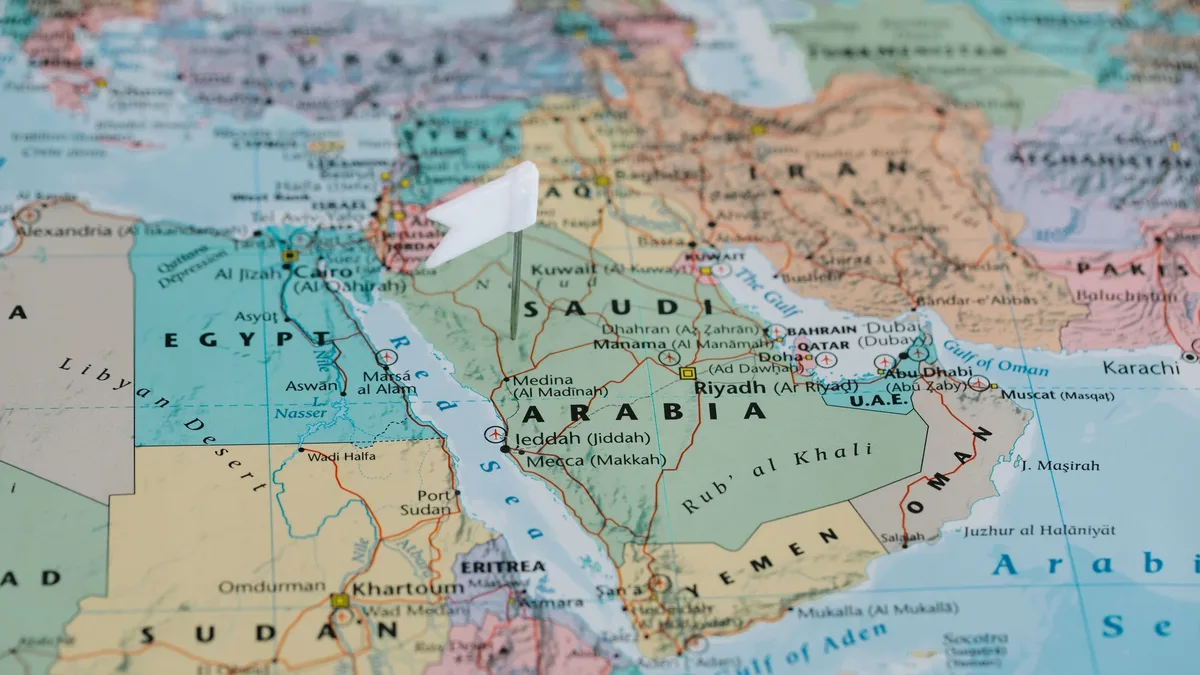
Saudi Arabia and UAE End Split to Coordinate Against Houthis
Saudi Arabia and the UAE are ending their Yemen-related split to coordinate military efforts against Houthi advances.
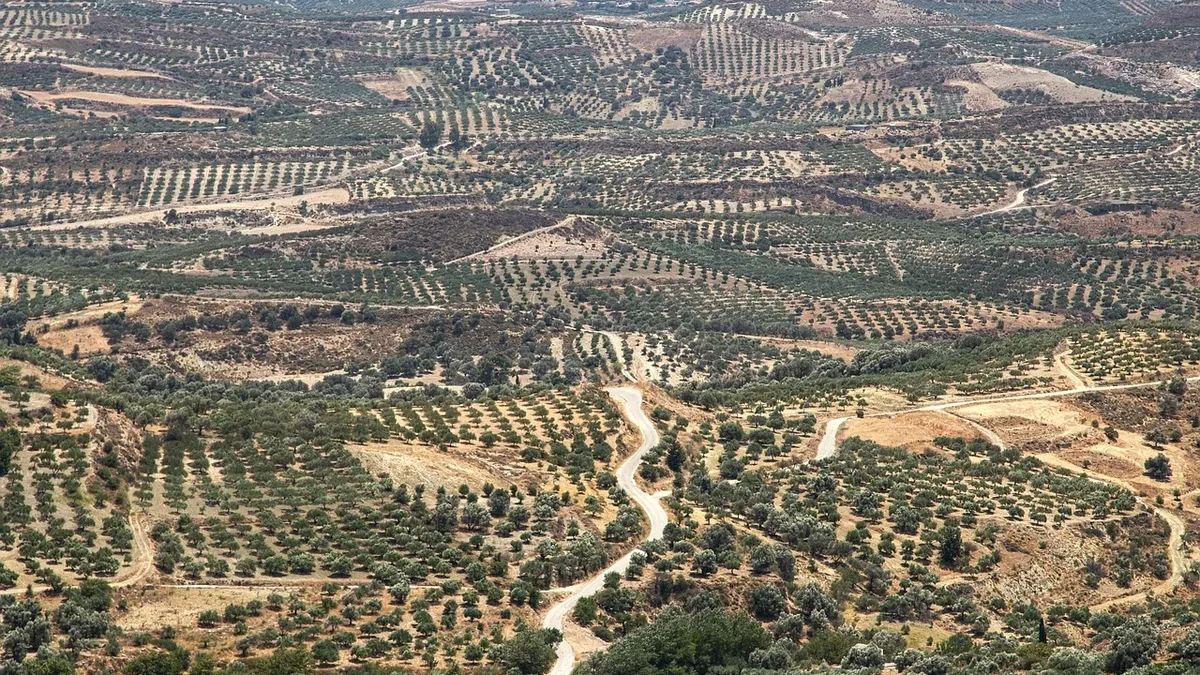
Settler Attacks and Restrictions Cripple Palestinian Olive Harvest
A wave of Israeli settler violence and severe movement restrictions is blocking Palestinian farmers from their olive groves, causing major economic...

US, Colombia, Ecuador Boost Military Ties
U.S. Southern Command has agreed with Colombia and Ecuador to expand military cooperation along their shared border.
China's Leadership Retreat: A Look into the Country's Power Dynamics
China's top leaders have wrapped up their annual summer retreat in Beidaihe, a seaside resort town east of Beijing. The retreat, which has been a...