Nuclear Non Proliferation Treaty Review Conference
| Treaty basis | Nuclear Non-Proliferation Treaty |
|---|---|
| Meeting type | Periodic review conference |
| Participants | States parties |
| Frequency | Every five years |
| Purpose | Assess treaty implementation |
| Decision process | Consensus |
Origin and history
The Nuclear Non-Proliferation Treaty Review Conference is a diplomatic mechanism established by the treaty itself. It was created as an integral part of the treaty's framework to ensure its continued relevance and implementation. The conference exists because the treaty's original signatories recognized the need for a periodic formal assessment of its operation. This recurring meeting is mandated to occur at regular five-year intervals, providing a structured forum for all states party to the treaty. Its history is marked by cycles of diplomatic preparation, negotiation, and often contentious deliberation among member states. The historical record of these conferences shows a pattern of seeking consensus on a final document that reviews the treaty's status and sets future directions.
What it is for
The primary function of the Review Conference is to conduct a comprehensive examination of the treaty's implementation over the preceding five-year period. It serves to assess whether the treaty's core objectives, non-proliferation, disarmament, and the peaceful use of nuclear energy, are being met by all states parties. The conference is designed to foster accountability by allowing all member states, both nuclear-weapon states and non-nuclear-weapon states, to review each other's compliance and progress. A key purpose is to reaffirm and strengthen the treaty's political authority through the collective agreement of a final outcome document. It provides a platform for addressing specific challenges to the non-proliferation regime that have emerged since the last gathering. Furthermore, the conference aims to agree on concrete steps and measures to advance the treaty's pillars during the next review cycle.
Pros and cons
A significant advantage of the Review Conference is that it provides a predictable and high-profile diplomatic forum dedicated solely to the nuclear non-proliferation regime. This regular gathering forces the international community to periodically focus its political attention on nuclear issues, which might otherwise be neglected. The consensus-based rule for final documents can be a pro, as it ensures any agreed outcome has broad legitimacy and collective buy-in from member states. A major con is that this same consensus rule often leads to diplomatic deadlock, with conferences failing to produce any substantive final document, which is seen as a failure of the process. States often regret participating when conferences become polarized platforms for airing bilateral grievances rather than making multilateral progress, wasting considerable diplomatic resources. A common mistake is for states to arrive with rigid, maximalist positions focused on scoring political points rather than seeking the compromise necessary for a successful review cycle.
Who it suits
This instrument suits states that are strongly invested in the preservation and strengthening of the existing multilateral nuclear order. It is particularly suited to non-nuclear-weapon states party to the treaty that seek a formal platform to hold nuclear-armed states accountable for their disarmament commitments. The conference mechanism suits diplomatic systems that excel in large, formal multilateral negotiations and have the capacity for sustained, multi-week diplomatic engagement. It suits states that believe in incremental progress within established treaty frameworks and value the normative power of consensus-based agreements, even when they are weak. Conversely, it is less suited to states or actors seeking rapid, transformative change in the international security architecture, as the process is inherently slow and conservative. It also poorly suits situations requiring immediate crisis management or responses to acute proliferation threats, as it is a deliberative body bound by a fixed calendar.
Latest Nuclear Non Proliferation Treaty Review Conference news
Latest reporting
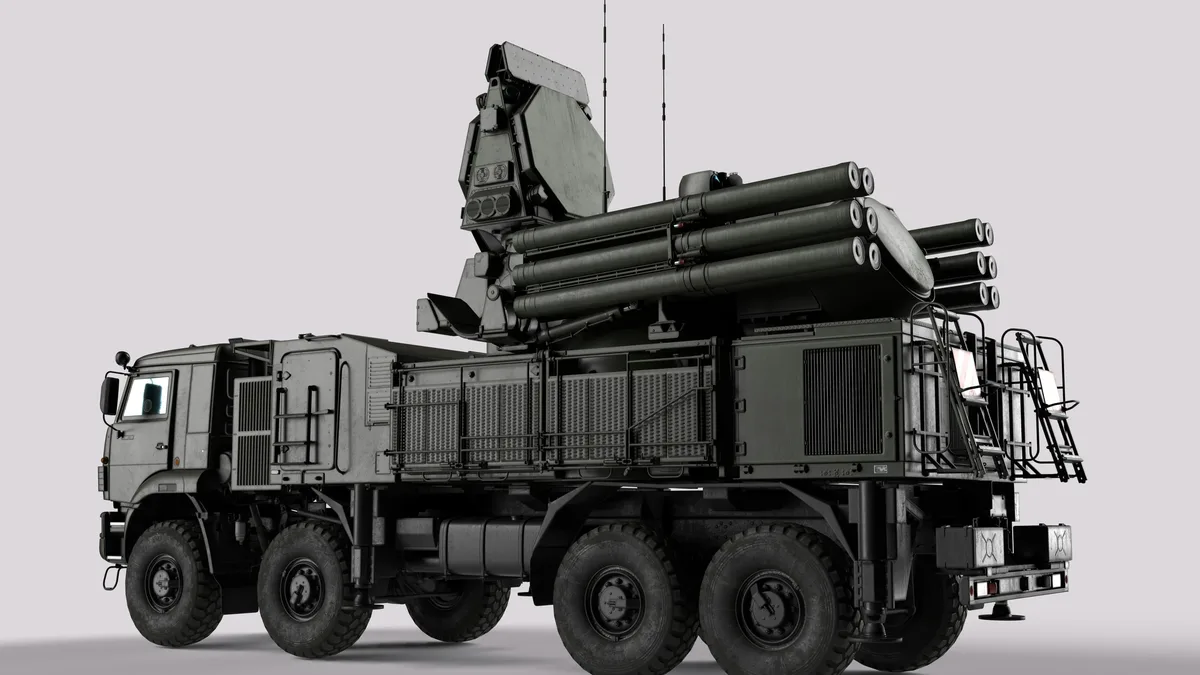
Iran Escalates in Strait of Hormuz, Destroys U.S. Radar in Bahrain
Iran's military destroyed a U.S. radar in Bahrain and attacked tankers in the Strait of Hormuz in November 2026, escalating regional tensions as...

Golden Dome missile defense proposal faces cost and escalation risks
The ambitious Golden Dome missile defense proposal aims for a layered shield against nuclear missiles but faces criticism over its trillion-dollar...

Russia Retains Leverage Over US Through Uranium Supply
The United States remains heavily dependent on Russian enriched uranium for its nuclear reactors despite reciprocal import bans.
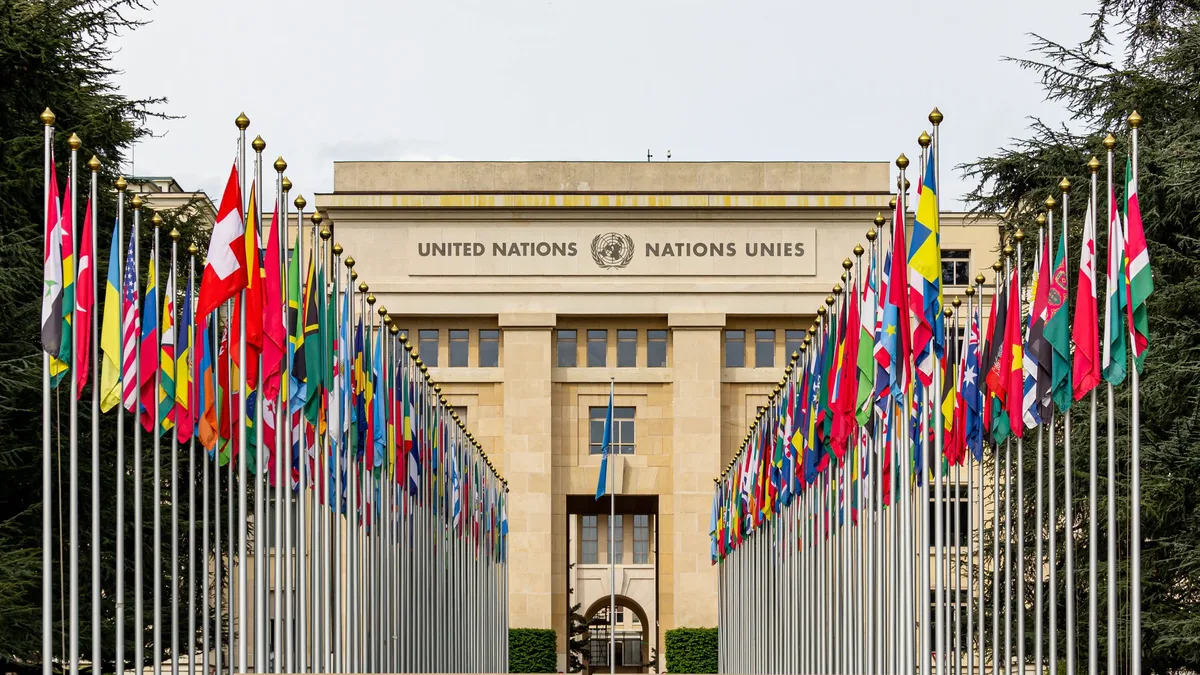
UN Group Meets on Autonomous Weapons Treaty
Diplomats from about 100 governments are meeting at the UN in Geneva this week to negotiate elements for a potential new instrument on lethal...

Taran: Russia's Nuclear Weapons Are Political Blackmail
Ukrainian analyst Victor Taran argues Russia's tactical nuclear weapons are political blackmail, not a battlefield solution, in a War on the Rocks...

Ex-US Official Outlines Asymmetric Nuclear Role for South Korea
A former U.S. Defense official argues for a sea-based, U.S.-only nuclear role for South Korea.