Russia Retains Leverage Over US Through Uranium Supply
The United States remains heavily dependent on Russian enriched uranium for its nuclear reactors despite reciprocal import bans, with waivers allowing
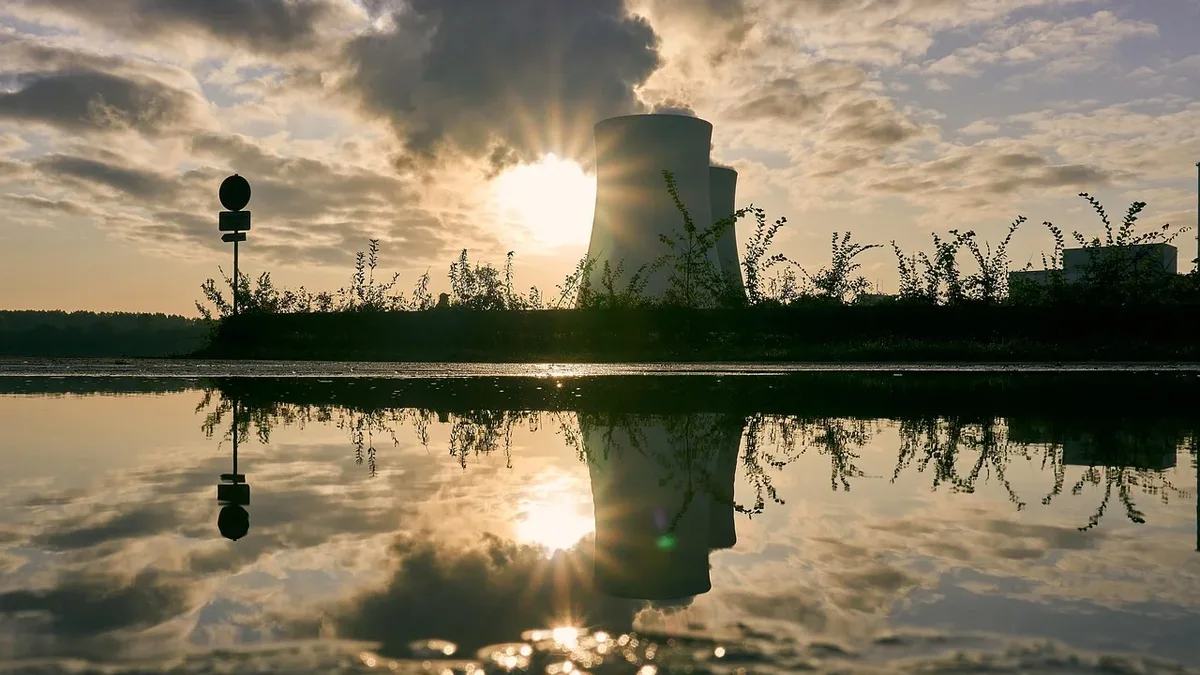
The United States still sources over a quarter of its nuclear fuel enrichment services from Russia, paying Rosatom $1 billion in 2025. This reliance persists despite a 2024 U.S. Ban on Russian low-enriched uranium (LEU) and a retaliatory Russian export ban, both of which contain significant loopholes.
The current situation stems from a long history of dependence. Between 1995 and 2013, the Megatons to Megawatts program converted 500 metric tons of Russian weapons-grade uranium into reactor fuel, supplying up to 10 percent of U.S. Electricity. The $12 billion program eliminated more than a quarter of the world's bomb-grade uranium stockpile. However, it also led to chronic underinvestment in American enrichment capacity. The sole domestically owned plant, in Paducah, Kentucky, closed when the program ended.
The Theater of Sanctions
In August 2024, President Joe Biden banned U.S. Imports of Russian LEU. Moscow responded three months later with its own ban on exports to the United States. Analysts suggest both moves are largely performative. The U.S. Ban includes waivers permitting the import of roughly 470 tons of Russian uranium annually until 2028. These waiver amounts were copied directly from a 1992 anti-dumping settlement. In 2024, permitted imports were only 4 percent below the average pre-war shipment level.
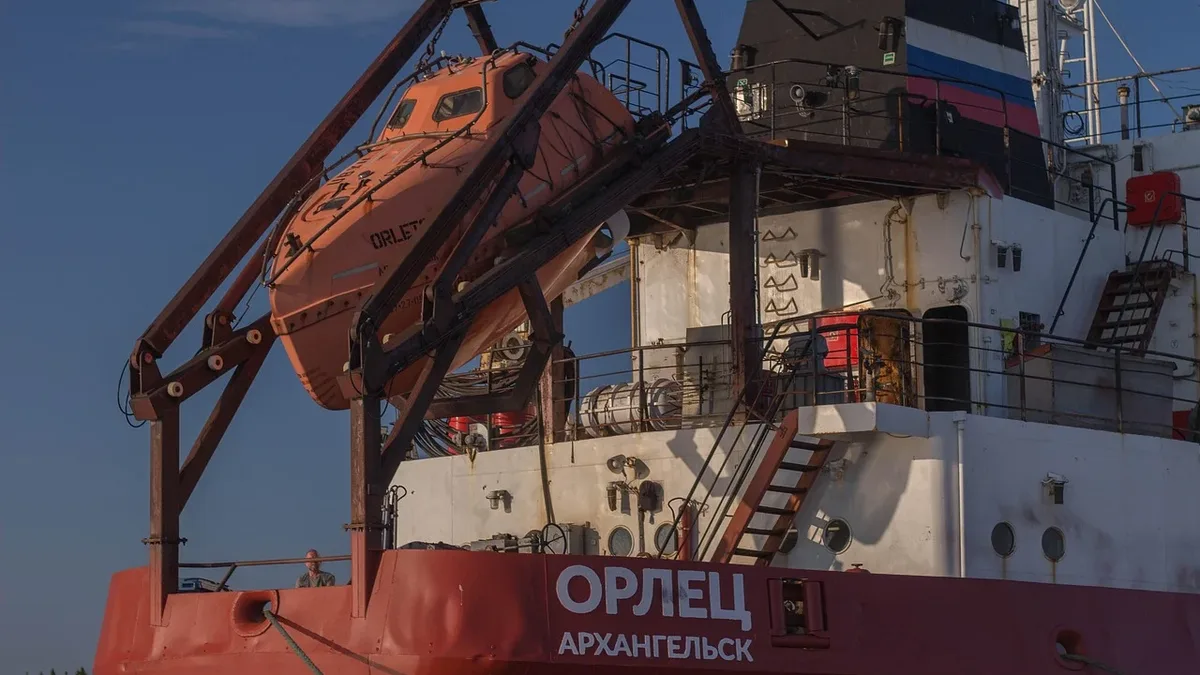
Russia's ban has also been contradicted by its own government. Shortly after President Vladimir Putin announced the export prohibition, the Kremlin issued three licenses allowing deliveries to proceed. One licensed shipment of 100 tons arrived in Baltimore aboard the Atlantic Navigator II in February 2025. For Rosatom, the U.S. Market remains key, constituting nearly half of its LEU export revenues.
The Scale of Dependence
Current data shows the depth of American reliance. In 2025, Rosatom supplied 26 percent of the enrichment services purchased by U.S. Nuclear utilities. For the U.S. Firm Centrus, which oversees uranium sales to utilities, business with Russia is fundamental. The LEU segment, which depends mostly on Russian supplies, accounted for 77 percent of Centrus's revenues last year.
Domestic and allied alternatives are struggling to fill the gap. The only commercial-scale enrichment plant in the U.S., operated by the British-Dutch-German firm Urenco in New Mexico, supplied just 23 percent of the services utilities bought last year. The U.S. Energy Department has awarded $900 million each to three prospective American enrichment companies, but none expects commercial-scale output before the 2030s. Researchers from the Lawrence Livermore National Laboratory concluded that domestic production would not be sufficient to replace Russian uranium by the end of this decade.
A Constrained Global Market
The global enrichment market is dominated by just four state-owned or allied firms, leaving Washington with few good options.
| Company | Country | Share of Global Enrichment Capacity |
|---|---|---|
| Rosatom | Russia | 43 percent |
| Urenco | UK/Netherlands/Germany | 25 percent |
| China National Nuclear Corp. | China | 20 percent |
| Orano | France | 11 percent |
Swapping Russian dependency for reliance on China is not considered a viable solution. The U.S. Energy Department suspects Beijing facilitated the re-export of Russian-sourced uranium to the United States in 2023-24. This leaves European firms Urenco and Orano as the only other major suppliers. However, their spare capacity is limited, and expansion plans will only gradually come online from 2028 onward. Geopolitics further complicates the issue, as European nations are simultaneously trying to slash their own dependency on Russian uranium, putting them in competition with the U.S. For a limited supply.
Legislative and Strategic Uncertainties
Recent U.S. Legislation indicates official recognition of the difficult path ahead. The Lindsey O. Graham Sanctioning Russia and Iran Act, signed by President Donald Trump in September, shows a softened stance. An initial draft in 2025 threatened sanctions on foreign purchasers of Russian uranium, but this provision was absent from the final bill passed by the Senate. Also, planned U.S. Sanctions on Rosatom executives are designed to take effect only after the import waivers expire in 2028. A simple one-line amendment extending those waivers could postpone the sanctions indefinitely.
The White House's plan for a nuclear revival, aiming to quadruple capacity by 2050 to power AI data centers, may inadvertently bolster Moscow's position. Many of the advanced reactors envisioned for this expansion are designed to run on a specific type of fuel, HALEU, for which Russia is currently the world's only commercial supplier.