Global Magnitsky
| Legal basis | U.S. law (Global Magnitsky Human Rights Accountability Act) |
|---|---|
| Target criteria | Individuals and entities involved in serious human rights abuses or significant corruption |
| Administrative authority | U.S. Department of the Treasury (OFAC) and Department of State |
| Typical sanctions | Asset freezes and U.S. travel bans |
| Designation process | Executive branch determination based on evidence and reporting |
| Geographic scope | Global (not country-specific) |
| Typical targets | Foreign government officials, businesspeople, and their associates |
Origin and history
The legal framework known as Global Magnitsky derives its name from a specific individual whose case highlighted severe human rights abuses and corruption. This framework was developed as a direct response to the circumstances of that case, which garnered significant international attention and condemnation. The model established a new paradigm for targeted sanctions by explicitly linking gross violations of human rights with significant acts of corruption as grounds for punitive action. It represents an evolution from more traditional sanctions programs that typically targeted states or specific sectors of an economy. The conceptual and legislative work to create this instrument involved adapting and expanding a pre-existing national statute for broader, multinational application. Its adoption by various nations has occurred over a period of years, reflecting a growing international consensus on its utility as a foreign policy tool.
What it is for
The Global Magnitsky framework is an instrument designed to impose targeted sanctions on specific individuals and entities deemed responsible for serious human rights violations or significant corruption. Its primary purpose is to hold such actors directly accountable by restricting their access to the financial systems and territories of enacting jurisdictions. The sanctions typically involve asset freezes and travel bans, aiming to penalize and deter the proscribed conduct without imposing broad economic hardship on civilian populations. It serves as a mechanism for states to express condemnation and pursue a measure of justice for victims when judicial recourse within the perpetrator's home country is ineffective or unavailable. The instrument is fundamentally extraterritorial in nature, allowing a state to apply consequences for actions that occurred entirely within another state's borders. It functions as a standalone policy tool but can also be integrated into a broader diplomatic strategy concerning human rights and governance.
Pros and cons
A significant advantage of the Global Magnitsky framework is its precision, allowing enacting states to target perpetrators directly while minimizing unintended collateral impact on economies or innocent civilians. It provides a tangible response to impunity for acts that may otherwise go unpunished, offering a form of symbolic justice and deterrence. The framework also creates a flexible and scalable tool that can be deployed unilaterally or coordinated among allies to amplify its effect. A common criticism, however, is the potential for perceived politicization, where designations may appear selective or influenced by broader geopolitical interests rather than applied consistently against all egregious offenders. Targets and their home governments often condemn the sanctions as illegitimate interference in domestic affairs, which can strain diplomatic relations. A practical con is the challenge of effective enforcement, particularly in tracking and freezing obscured assets, which requires substantial intelligence and international cooperation to be fully effective.
Who it suits
This instrument suits states that seek to advance a foreign policy explicitly centered on human rights and anti-corruption norms without resorting to comprehensive economic sanctions or military action. It is particularly suited for governments possessing robust legal and financial intelligence capabilities necessary to investigate targets and enforce asset freezes. The framework is well-matched for diplomatic coalitions, where like-minded states can coordinate designations to increase the political and financial pressure on sanctioned individuals. It is less suited for states that prioritize absolute non-interference in the internal affairs of other countries or that lack the administrative infrastructure to implement the sanctions regime effectively. The tool also suits situations where traditional diplomatic protests are insufficient, but a more severe, broad-scale economic embargo is deemed disproportionate or counterproductive. Ultimately, it is a tool for states willing to leverage their financial and legal systems to pursue a values-based agenda in international relations.
Latest Global Magnitsky news
Latest reporting

Rubio frames ICC as unelected threat to U.S. sovereignty
Secretary of State Marco Rubio used a Federalist Society speech to attack the International Criminal Court as a tool of a global elite undermining...
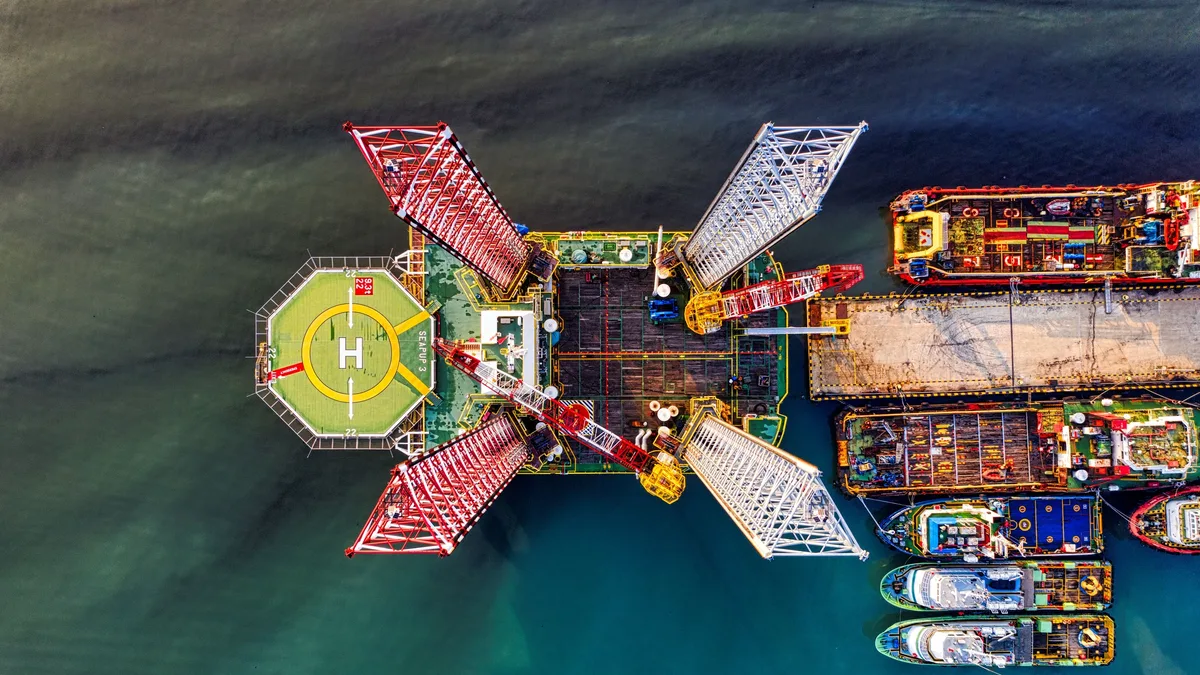
Ukrainian Drone Blitz Cuts Russian Oil Refining by 30%
A renewed wave of Ukrainian drone strikes has reduced Russia's oil refining capacity by approximately 30%, disrupting nine major refineries and...
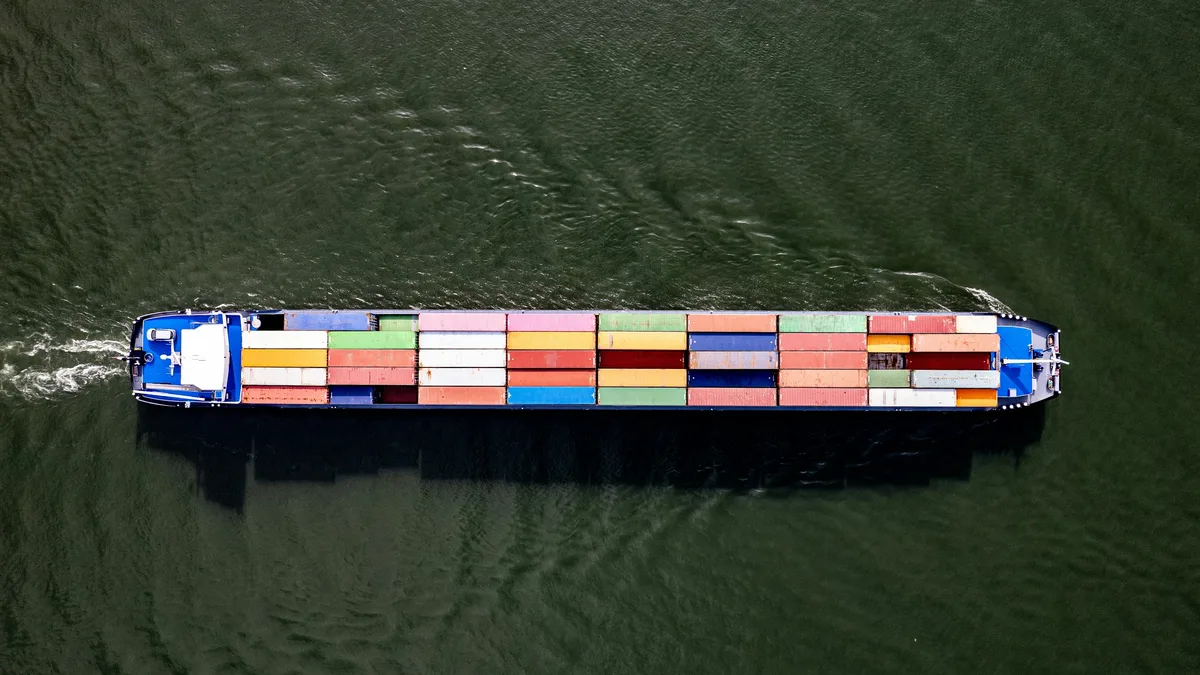
Rubio at G20 in Atlanta frames Iran maritime attacks as global threat
U.S. Secretary of State Marco Rubio used a G20 foreign ministers' meeting in Atlanta to highlight Iran's attacks on commercial shipping and the...

Ukrainian drone strikes disrupt Yandex data centers and bot activity
Ukrainian long-range drone strikes on three of Yandex's five main data centers in early October caused significant damage, triggering service outages...

IMF-World Bank Meetings in Bangkok Confront AI Growth and Debt
Financial leaders at the IMF-World Bank Annual Meetings in Bangkok are confronting rising inflation, AI-driven growth disparities, and geopolitical...
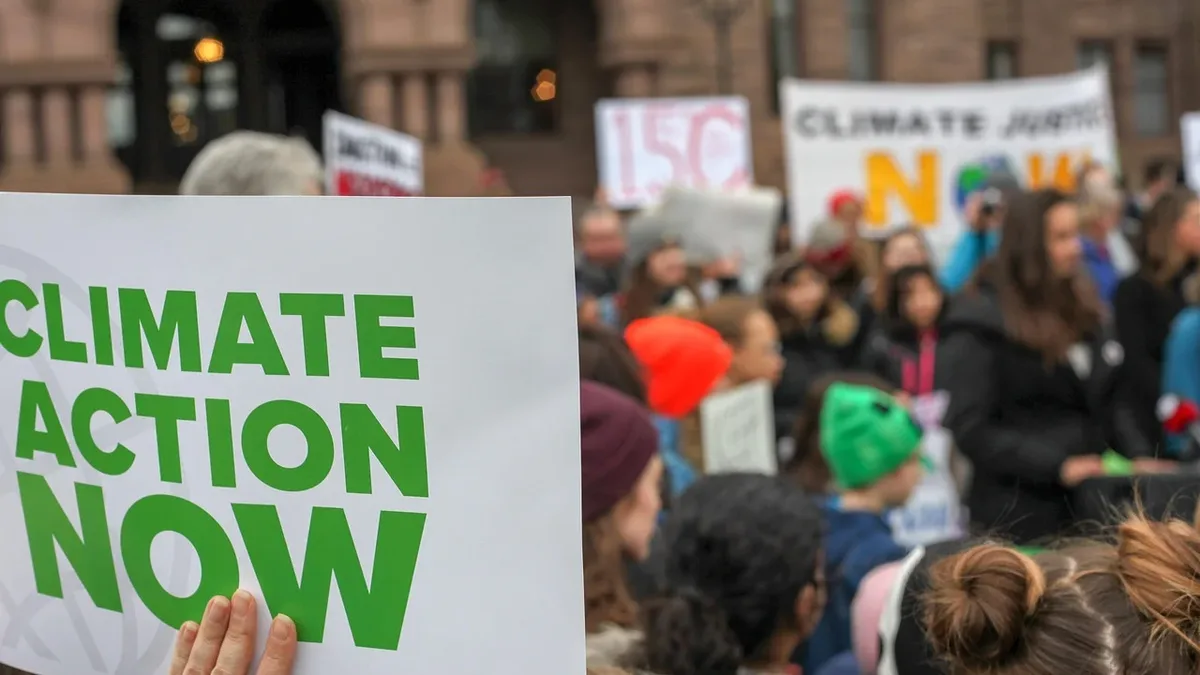
Pacific Leaders Demand Urgent Climate Action at Pre-COP31 Summit
Pacific leaders and UN officials warn exceeding 1.5°C warming will cause irreversible harm, urging accelerated global action on finance and emissions...