Cuba Embargo
| First created | 1960 |
|---|---|
| Governing state | United States |
| Target state | Cuba |
| Original use | Economic pressure on post-revolution government |
| Primary legal basis | Trading with the Enemy Act of 1917 |
| Scope | Comprehensive trade and commerce embargo |
| Status | Ongoing |
Origin and history
The United States embargo against Cuba originated with the United States government. Its initial measures were implemented in the late 1950s and early 1960s. The U.S. imposed an arms embargo on Cuba on March 14, 1958, during the internal armed conflict against the Fulgencio Batista régime. Following the Cuban Revolution and the rise of Fidel Castro's government, economic tensions escalated rapidly. In July 1960, the U.S. significantly reduced the import quota for Cuban sugar, a critical economic blow. The Eisenhower administration launched a comprehensive trade embargo later that year, prohibiting all sales to Cuba except for humanitarian aid like food and medicine. This policy was a direct response to the Cuban government's nationalization of American-owned oil refineries and other economic assets without compensation acceptable to the U.S.
What it is for
The embargo is a comprehensive set of economic sanctions designed to restrict trade and financial transactions between the United States and Cuba. Its stated purpose has evolved but centers on pressuring the Cuban government to adopt political and economic reforms. Key U.S. legislation defines its aims, including promoting a transition to democracy and respecting human rights. The Helms–Burton Act of 1996 codified the embargo into law, explicitly linking its removal to conditions like the establishment of a democratically elected government. It functions by prohibiting most U.S. businesses and citizens from conducting commerce with Cuban interests and influencing third-country trade through extraterritorial provisions. The sanctions target all sectors of the Cuban economy, from energy and agriculture to finance and tourism. Enforcement relies on several legal statutes, including the Trading with the Enemy Act of 1917 and the Cuban Assets Control Regulations of 1963.
Pros and cons
A primary argument for the embargo is that it maintains consistent diplomatic pressure for democratic reform and addresses property claims of U.S. citizens confiscated by the Cuban government. Proponents view it as a necessary instrument of U.S. foreign policy to counter a repressive regime and support Cuban civil society. Conversely, a significant con is its widespread condemnation by the international community, including repeated United Nations General Assembly votes demanding its end, highlighting its contentious nature. Critics argue it has failed to achieve its political objectives over decades while contributing to economic hardship for the Cuban population, a common mistake being the belief that economic isolation would quickly trigger political change. The embargo complicates humanitarian aid and medical trade, creating logistical and financial obstacles even for exempted items. Many analysts and former officials regret its rigidity, noting it has often been used by the Cuban government to justify domestic economic failures and fuel anti-American sentiment.
Who it suits
This policy instrument primarily suits political actors within the United States committed to a hardline stance against the Cuban government, particularly those in Congress who have legislated its terms. It aligns with the interests of a portion of the Cuban-American community historically advocating for maximum pressure against the communist system. The embargo also suits a U.S. foreign policy approach that prioritizes the use of unilateral economic sanctions as a primary tool of statecraft, even when such measures lack broad international support. It is less suited for entities seeking normalized trade relations or increased people-to-people exchanges between the two nations. Businesses in the U.S. and allied countries that wish to invest in or trade with Cuba find the sanctions a major barrier. The policy is ill-suited for achieving quick diplomatic breakthroughs or fostering cooperation on transnational issues like migration, environmental protection, or security, as it perpetuates a foundation of hostility and mutual distrust.
Latest Cuba Embargo news
Latest reporting
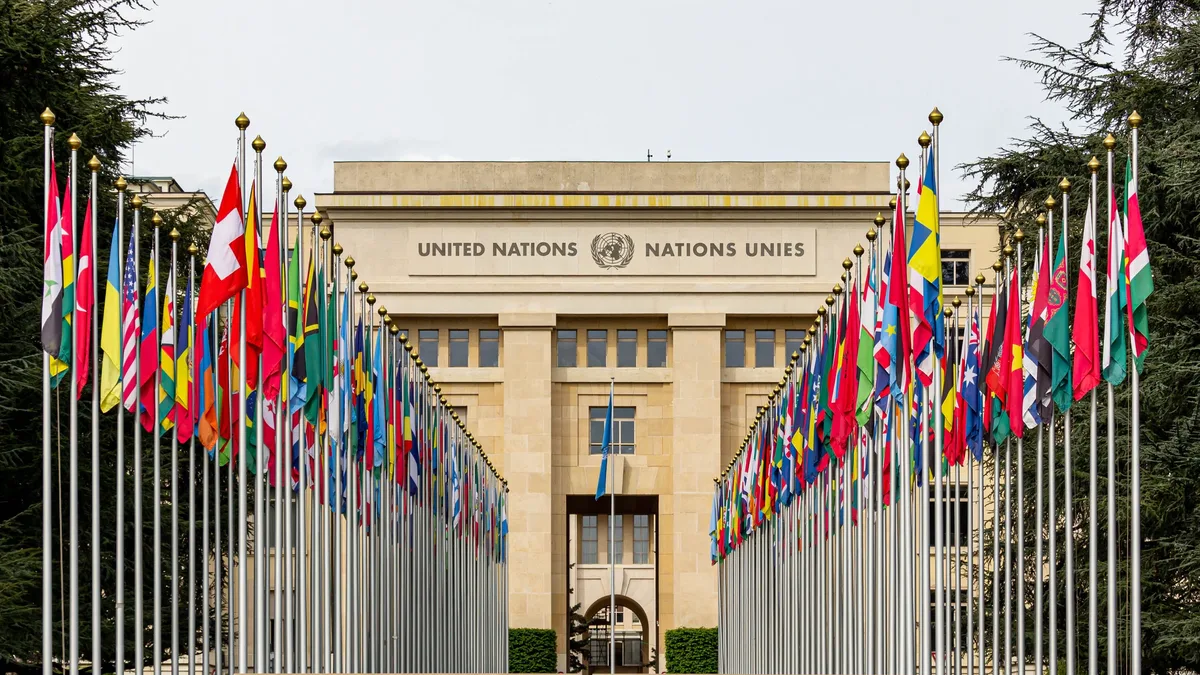
UN General Assembly Adopts Weakest-Ever Cuba Embargo Resolution
The UN General Assembly voted 130-17-25 to condemn the US embargo on Cuba, marking the lowest level of support in two decades as diplomatic tensions...
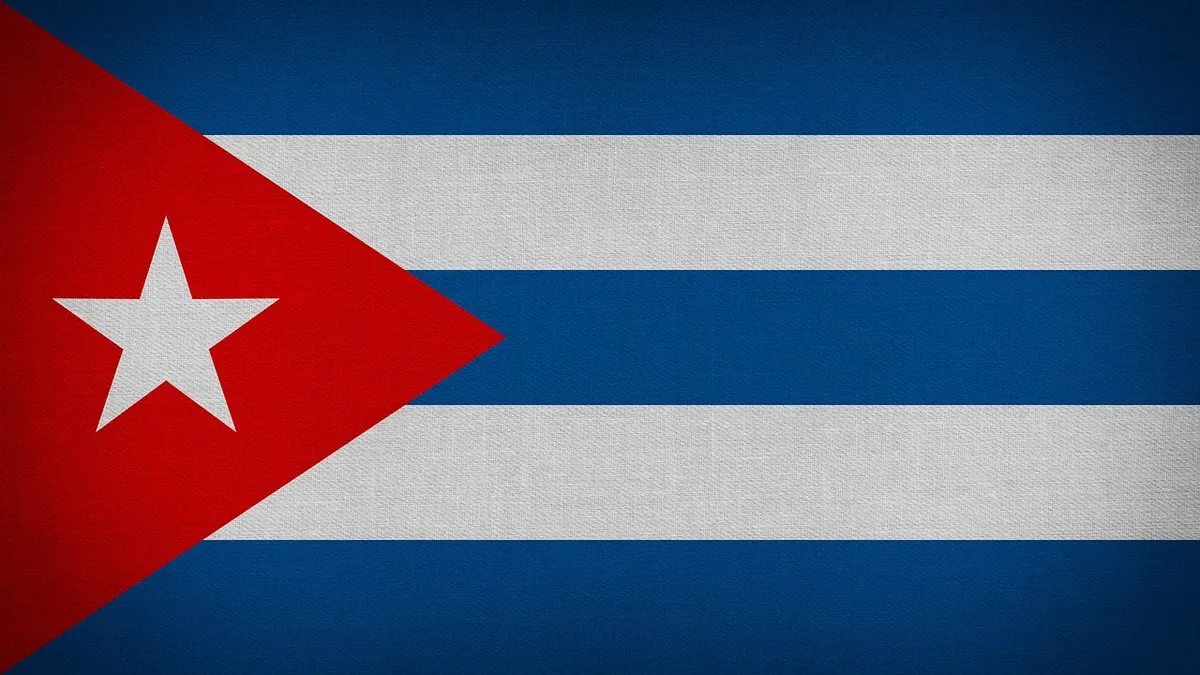
US sanctions Cuban bank BICSA over ties to Iran
The US Treasury sanctioned Cuba's state-owned Banco Internacional de Comercio, S.A. (BICSA) on October 15, 2026, for providing financial services to...

UAE Imposes Trade Embargo on Iran Amid Escalating Tensions
The United Arab Emirates has halted all trade and financial transactions with Iran, citing regional escalations that undermine regional and...