US sanctions Cuban bank BICSA over ties to Iran
The US Treasury sanctioned Cuba's state-owned Banco Internacional de Comercio, S.A. (BICSA) on October 15, 2026, for providing financial services to Iran's Karafarin Bank, escalating financial pressure on Havana.
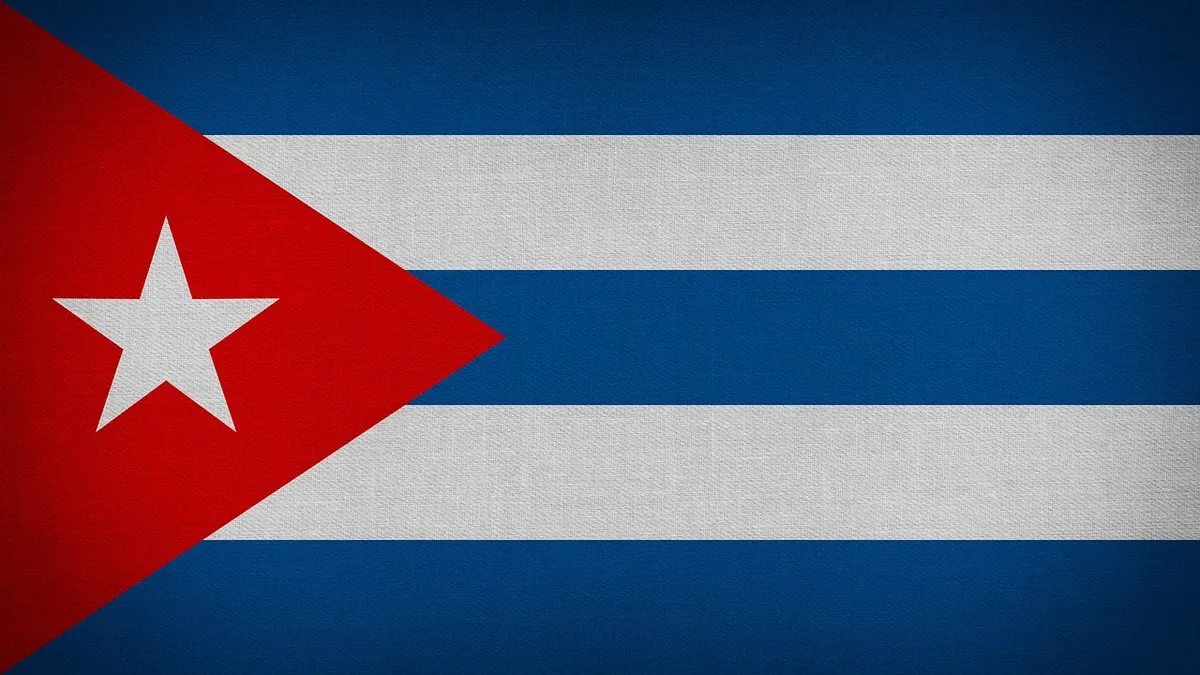
The United States imposed sanctions on Cuban state-owned lender Banco Internacional de Comercio S.A. (BICSA) on Thursday, 15 October 2026. The action targets the bank's alleged commercial links to Iranian financial networks, citing national security concerns.
The designation was made by the US Treasury Department's Office of Foreign Assets Control. It was coordinated with broader US actions against Iranian entities.
Rubio’s accusations and administration stance
Secretary of State Marco Rubio accused Havana of operating as an outpost for foreign adversaries targeting Washington. He stated that Communist Cuba has been allowed to operate as an outpost for malign actors and terror groups, including the Islamic Republic of Iran.
Rubio warned that Washington will aggressively dismantle financial ties between Havana and Tehran. He emphasized that the administration will not tolerate hostile operations near American borders. President Trump’s administration policy states it will not tolerate terrorism, organized crime, or extra-hemispheric forces spreading anti-American influence in the region. Iran is described as the world’s number one state sponsor of terrorism.
Bilateral relations between the US and Cuba have entered a confrontational phase under US President Donald Trump. The Trump administration has made regime change in Cuba an explicit objective.
Legal and operational scope of the sanctions
BICSA was sanctioned pursuant to Section 2(a)(i)(A) of Executive Order 14404. That order was issued on May 1, 2026. It authorizes sweeping sanctions on Cuba, including against persons supporting the Cuban regime’s security apparatus and those responsible for repression in Cuba. The order also addresses threats to U.S. national security and foreign policy.
The sanctions further Executive Order 14380, 'Addressing Threats to the United States by the Government of Cuba'. They also further National Security Presidential Memorandum 5, which directs the Executive Branch to improve human rights, encourage the rule of law, foster free markets and free enterprise, and promote democracy in Cuba.
As a result, all property and interests in property of the designated person in the U.S. or under U.S. persons’ control are blocked and must be reported to OFAC. Entities owned 50% or more by blocked persons are also blocked. Transactions by U.S. persons or persons under U.S. jurisdiction involving blocked persons’ property are prohibited unless authorized or exempt. Prohibitions include making or receiving contributions, funds, goods, or services to or from blocked persons.
Foreign persons engaging in transactions with designated persons under E.O. 14404 are at risk of sanctions. This includes those operating in key sectors of the Cuban economy.
Non-U.S. persons, including foreign financial institutions, should proceed with caution when dealing with sanctioned parties. Returning assets to a sanctioned party or transferring them to another jurisdiction for potential use exposes non-U.S. persons to significant sanctions risk.
The U.S. government’s sanctions power derives from its ability to designate and add persons to the SDN List. The ultimate goal is to bring about positive behavioral change, not to punish. Petitions for removal from the SDN List may be submitted via OFAC’s Reconsiderations Portal. Petitioners may also consult the Department of State’s Delisting Guidance page.
The announcement was issued by the Office of the Spokesman. Relevant bureaus include the Bureau of Counterterrorism, Bureau of Economic, Energy, and Business Affairs, and Bureau of Western Hemisphere Affairs. The Cuba Office and Sanctions and Designations units were involved.
Background on BICSA and Iran links
BICSA has provided services to Iran’s Karafarin Bank since at least 2022. Karafarin Bank was sanctioned by the U.S. Department of the Treasury pursuant to Executive Order 13902 in 2020.
Impact on Cuba’s economy and society
Washington has used an oil blockade and sweeping sanctions to pressure Havana. These measures have contributed to months of rolling blackouts and an unstable power grid in Cuba.
The sanctions were imposed on Thursday, 15 October 2026, as part of a coordinated US action against Iranian financial actors.